health
Understanding 25 mg to ml: A Practical Guide to Dosage Conversions

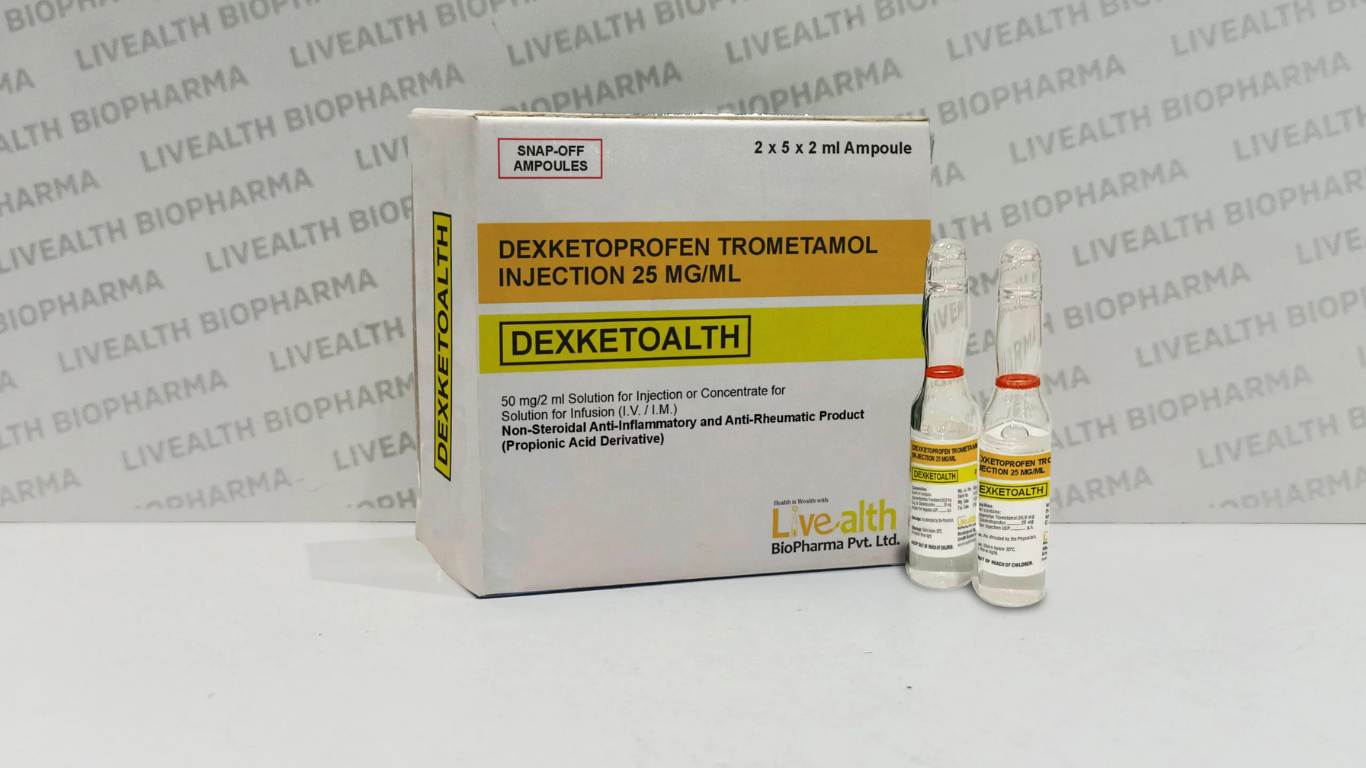
In everyday health and wellness discussions, questions like “25 mg to ml” frequently arise, especially among those managing medications, supplements, or liquid formulations. This conversion sits at the intersection of precision science and practical self-care, highlighting why accurate measurements matter for safety and effectiveness. While it might seem like a simple query, it opens the door to broader understanding of units, densities, and responsible dosing.
Whether you’re a patient following a prescription, a caregiver preparing doses, or simply curious about pharmaceutical calculations, grasping 25 mg to ml conversions empowers better decisions. In this comprehensive guide, we explore the science behind it, common scenarios, and essential safety considerations—all while emphasising that professional medical advice should always take precedence.
The Fundamentals: Why mg and ml Are Not Directly Interchangeable
Milligrams (mg) measure mass—the amount of a substance by weight. Millilitres (ml), on the other hand, measure volume—the space a substance occupies. This distinction is crucial. You cannot convert directly from one to the other without knowing the substance’s density or concentration.
For water at standard temperature, the density is approximately 1 g/ml, which equals 1000 mg/ml. This means 25 mg of water occupies roughly 0.025 ml. But most medications, oils, or solutions have different densities, so the figure changes accordingly.
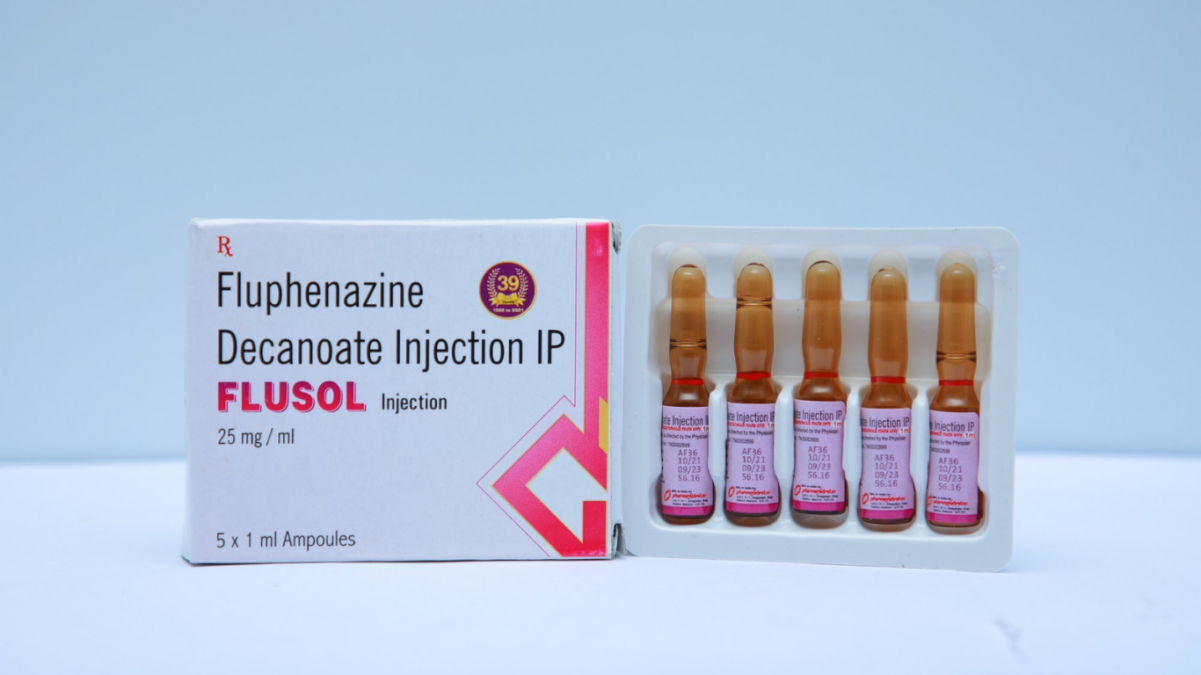
This principle explains why pharmacists and nurses rely on specific concentration labels rather than universal rules. A liquid medicine might be labelled as 25 mg/ml, meaning each millilitre contains 25 milligrams of the active ingredient. In such cases, converting a 25 mg dose is straightforward: you would need 1 ml.
How to Convert 25 mg to ml: The Core Formula
The general formula for converting milligrams to millilitres is:
ml = mg ÷ density (in mg/ml)
Or, in medication contexts where concentration is provided:
ml = dose (mg) ÷ concentration (mg/ml)
For a 25 mg dose with a concentration of 5 mg/ml, the calculation is 25 ÷ 5 = 5 ml. If the concentration is 10 mg/ml, it becomes 2.5 ml. These variations demonstrate why context is everything.
Always check the product label or prescription details. Labels may state “250 mg per 5 ml,” requiring a quick preliminary step: divide 250 by 5 to get 50 mg/ml concentration before proceeding.
Real-World Examples Across Common Substances
Water or water-like solutions: 25 mg equates to approximately 0.025 ml due to the 1000 mg/ml density.
Cooking oil: With a typical density around 916 mg/ml, 25 mg would be about 0.027 ml.
Medications: This is where precision counts most. For a syrup with 25 mg/ml concentration, 25 mg requires exactly 1 ml. For a more dilute solution like 2 mg/ml, it would need 12.5 ml.
These examples illustrate the range. In clinical settings, even small errors in volume can affect outcomes, particularly with potent drugs or paediatric doses.
The Importance of Accurate Conversions in Healthcare
Healthcare professionals perform mg to ml conversions daily. Nurses calculate liquid antibiotic doses for children, pharmacists verify compounded medications, and doctors adjust regimens based on patient needs. Misunderstanding this can lead to under- or overdosing.
Factors influencing accuracy include:
- Temperature (density changes slightly with heat)
- Formulation (suspensions vs. solutions)
- Patient-specific variables (age, weight, kidney function)
Modern tools like online calculators and dosing apps simplify the process, but they should supplement—not replace—label reading and professional guidance.
Common Scenarios Where “25 mg to ml” Matters
Parents often encounter this when giving children’s paracetamol or ibuprofen suspensions. A prescription might specify 25 mg, but the bottle concentration determines the syringe volume.
In veterinary care, pet owners converting doses for smaller animals face similar challenges. Supplements like liquid vitamins or CBD oils frequently prompt these queries, as concentrations vary widely between brands.
Athletes or fitness enthusiasts measuring creatine or electrolyte liquids also benefit from understanding these principles to maintain consistent intake.
Tools and Resources for Reliable Conversions
Several reputable calculators are available online. These typically allow input of the substance or concentration for instant results. Mobile apps designed for healthcare professionals offer additional features like unit converters and alerts for common errors.
For those preferring manual methods, dimensional analysis (setting up proportions) provides a reliable backup. For instance, with 10 mg per 5 ml and a 25 mg dose: (25 mg ÷ 10 mg) × 5 ml = 12.5 ml.
Safety First: Best Practices for Handling Doses
- Read the label every time — Concentrations can differ even within the same medication line.
- Use appropriate measuring tools — Oral syringes are far more accurate than household spoons.
- Double-check calculations — Have a second person verify if possible.
- Consult professionals — Never adjust doses without advice from a doctor or pharmacist.
- Store medications correctly — Temperature and light can affect stability and, indirectly, dosing accuracy.
Remember that “25 mg to ml” is not a one-size-fits-all answer. It depends entirely on the specific product.
Understanding Density and Concentration in Depth
Density reflects how tightly packed molecules are in a substance. Water’s convenient 1 g/ml density made it a historical standard, but real-world liquids deviate. Honey, for example, is much denser, while alcohol solutions are lighter.
Concentration, in pharmaceutical terms, indicates the strength of the active ingredient per unit volume. A 25 mg/ml suspension means 25 mg of drug in every ml of liquid. This allows flexible dosing by adjusting volume.
Educational programmes for nurses and pharmacists dedicate significant time to mastering these concepts through practice problems and simulations. This training underscores the real human impact of precise calculations.
Broader Context: Units in Science and Daily Life
The metric system’s elegance lies in its interconnected units. The prefix “milli-” denotes one-thousandth, so 1 gram = 1000 mg and 1 litre = 1000 ml. This relationship simplifies many calculations but still requires the density bridge for mass-to-volume shifts.
In laboratories, researchers use analytical balances for mg precision and calibrated pipettes for ml accuracy. The same principles apply at home, albeit on a simpler scale.
When to Seek Professional Help
If you’re uncertain about any conversion, contact your pharmacist or healthcare provider. This is especially important for:
- Narrow therapeutic index drugs
- Elderly or paediatric patients
- Multiple medications with potential interactions
Online forums can offer general insights but never personalised medical advice.
Quick Reference Table for Common Conversions (Water Approximation)
While these assume water-like density (use only as a rough guide):
| mg | Approximate ml (water) |
| 25 | 0.025 |
| 50 | 0.05 |
| 100 | 0.1 |
| 250 | 0.25 |
| 500 | 0.5 |
| 1000 | 1 |
Always adjust for actual concentration or density.
Advancing Your Knowledge: Further Learning
Many universities and health organisations provide free resources on dosage calculations. Textbooks on pharmacology often include dedicated chapters with worked examples. Practising with sample problems builds confidence and reduces errors.
Staying informed about updates in pharmaceutical formulations also helps, as new delivery methods may introduce different concentration standards.
Conclusion
Mastering conversions like 25 mg to ml reflects a commitment to safety and precision in health management. While the calculation itself is straightforward once you know the concentration, its importance cannot be overstated. By understanding the underlying principles of mass, volume, and density, you become a more informed participant in your own or your family’s care.
What do you find most interesting about 25 mg to ml? Share your thoughts in the comments below. If you enjoyed this article, consider sharing it with others who appreciate clear, practical health information and responsible self-education.


Search for Brasssmile Com and you will quickly encounter a confusing mix of claims. Some pages present it as a dental or smile-care resource. Others treat it as a lifestyle hub, a brass-accessories brand, or even invent clinical procedures that do not exist. The reality is more straightforward and less dramatic.
Brasssmile Com (brasssmile.com) is an active multi-topic informational blog. It publishes articles across categories that include business, finance, technology, law, lifestyle, health-related topics such as clear aligners, shopping, and more. The site operates in the style of many contemporary content platforms: regular posts, category organisation, and advertising support. Public interest persists largely because the name contains the word “smile,” which triggers assumptions about dentistry, and because numerous lookalike or opportunistic pages have amplified those assumptions.
Readers remain curious for practical reasons. In an online environment full of niche health and lifestyle sites, people want to know whether Brasssmile Com offers reliable information, whether it is connected to any clinical service, and how it differs from the many domains that reuse similar naming. A clear, evidence-based account helps cut through the noise.
Early History and Background of Brasssmile Com
Reliable public records about the precise founding date, individual founders, or early corporate structure of Brasssmile Com are limited. The domain functions as a WordPress-based publishing site. Available snapshots and category archives show content spanning business partnerships, insurance considerations, online casino promotions in certain markets, shopping guides, legal topics, and occasional dental or oral-health pieces such as discussions of clear aligners.
No verified biography of a single founder or “face” of the brand appears in mainstream reporting. Claims that link the name to a specific dentist, clinic owner, or named public figure lack supporting evidence from independent sources. The site’s identity is that of a content platform rather than a personal brand built around one individual’s life story.
Childhood, family background, formal education, and early personal interests therefore do not apply in the conventional biographical sense.
Career and Rise to Visibility
Brasssmile Com’s “career” is best understood as the growth of its online presence. It has published steadily across at least several editorial categories, including Business, Education, Fashion, Finance, Health, Lifestyle, Technology, Law, Home, and Automobile according to some independent summaries of its output. Authors’ names appear on posts, and the site has maintained activity into 2026.
Visibility has been boosted less by traditional media breakthroughs or awards and more by search interest and the proliferation of secondary articles that discuss or mischaracterise the domain. Some of those secondary pieces frame Brasssmile Com as a dental education hub or cosmetic dentistry resource. Others promote brass jewellery or accessories under similar naming.
Challenges and Points of Confusion
The principal challenge surrounding Brasssmile Com is identity confusion rather than a documented personal or corporate crisis. The presence of the word “smile” has led content farms and opportunistic sites to invent dental treatments, AI smile-analysis tools, or clinical philosophies that do not appear on the primary domain. Separate domains such as brasssmiledental.com or brasssmile.digital have at times presented themselves as related or superior alternatives, further muddying the waters.
Verified difficulties are limited to the usual issues facing mid-tier content sites: competition for attention, the need to maintain a steady publishing schedule, and the risk that readers will encounter low-quality lookalikes. No credible reports detail legal actions, major financial setbacks, or personal scandals tied to the operators of brasssmile.com. Where speculation exists online, it remains unsupported by primary evidence.
Personal Life and Public Statements
Because Brasssmile Com is a publishing platform rather than a public individual, conventional personal-life details—relationships, marriage, children, or private family matters—do not apply and are not publicly confirmed. No interviews or official statements from a named proprietor discussing private life have surfaced in reliable coverage.
The site itself does not present a strong personal voice or founder narrative. Content appears under various bylines and focuses on topic-driven pieces rather than autobiographical reflection.
Later Activity and Current Status
As of the most recent available checks in 2026, brasssmile.com continues to publish. Recent or archived posts cover commercial trucking insurance implications, casino deposit bonuses in specific jurisdictions, business verification practices, livestock transport standards, trading capital efficiency, car insurance calculators, clear aligners, and law-school guidance for international students, among other subjects. The range remains broad and opportunistic rather than tightly specialised.
No prominent charity initiatives, advocacy campaigns, or high-profile business expansions beyond content publishing have been independently verified. The site functions primarily as an advertising-supported blog.
Quick Bio
| Detail | Information |
| Full Name | Brasssmile Com / brasssmile.com |
| Date of Birth | Not publicly confirmed (domain/blog) |
| Place of Birth | Not applicable |
| Nationality | Not applicable (online platform) |
| Profession | Multi-topic informational blog / content site |
| Years Active | Active into 2026; exact start not widely documented |
| Known For | Broad lifestyle, business, finance, and occasional health content; name-driven search interest |
| Estimated Net Worth | Not publicly available |
Only details supported by examination of the live site and independent summaries are included. Gaps reflect the absence of transparent corporate or personal disclosure.
Legacy and Lasting Impact
Brasssmile Com’s significance lies less in transformative influence within any single field and more in what it illustrates about contemporary online information ecosystems. The site demonstrates how a relatively ordinary content blog can attract disproportionate attention when its name intersects with popular search terms and when secondary writers fill gaps with invented narratives.
Public perception remains divided between those who use it for casual reading and those who arrive expecting specialised dental guidance and leave disappointed or confused. The episode underscores a practical lesson: always verify the exact URL, check for named credentials on health-related claims, and treat general blogs as starting points rather than authoritative sources.
In a crowded digital landscape, Brasssmile Com occupies a modest, functional niche. Its lasting impact may simply be the reminder that search results often reflect naming patterns and content-farm activity as much as genuine expertise.
Conclusion
Brasssmile Com is best understood on its own terms: a working multi-topic blog that publishes regularly across everyday subjects and happens to carry a name that invites dental associations. The absence of a dramatic personal biography or clinical pedigree is not a shortcoming; it is simply the factual position. Readers who approach it with calibrated expectations—looking for accessible articles rather than professional medical advice—will find a conventional content site. Those seeking licensed dental care or verified clinical tools will need to look elsewhere and confirm credentials carefully.
Must Read: Stray Kids Net Worth, Age, Height, Family, Career, and More
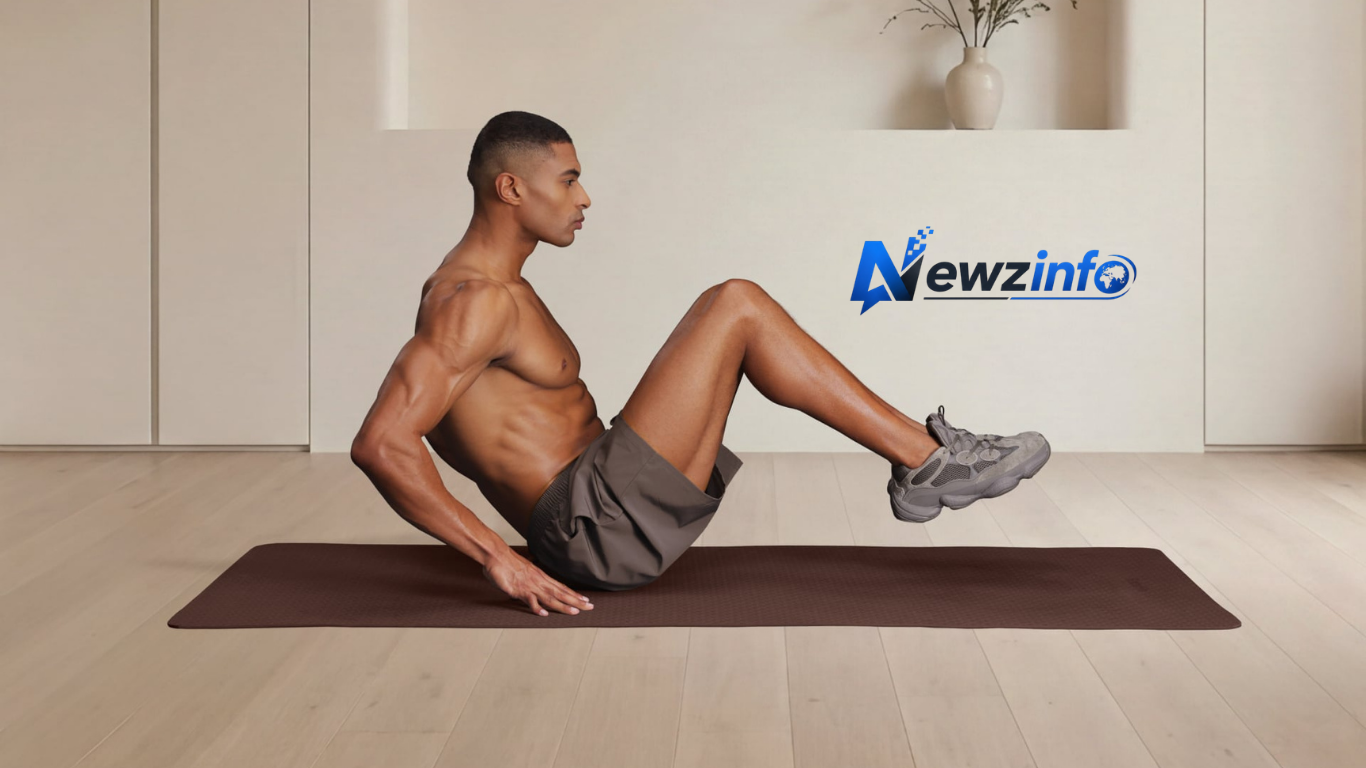
Military calisthenics free training has quietly become one of the most practical ways for people to get stronger, fitter and more resilient without a gym membership, fancy equipment or complicated programmes. Drawn directly from the physical training methods used by armed forces around the world, it focuses on high-repetition bodyweight movements that develop muscular endurance, work capacity and functional strength at the same time.
Readers keep returning to this style of training because it is simple, scalable and genuinely free. Whether you are preparing for a fitness test, recovering fitness after time away, or simply want a no-excuses routine that works in a living room, hotel room or park, military calisthenics free sessions deliver results through consistency rather than complexity.
What Military Calisthenics Actually Means
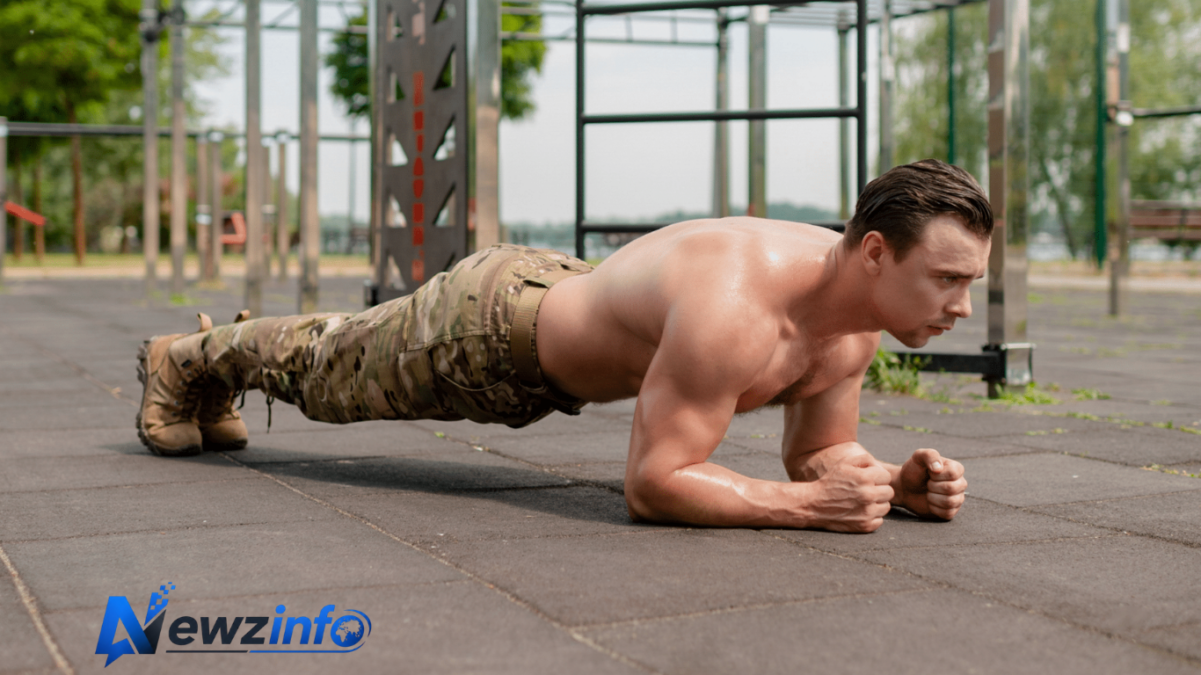
Military calisthenics is bodyweight training modelled on the physical readiness sessions used by soldiers. The core idea is straightforward: master a small number of compound movements—push-ups, pull-ups or rows, squats, lunges, planks, sit-ups or leg raises, and often burpees or mountain climbers—then perform them in circuits or timed sets with limited rest.
Unlike pure strength training that prioritises heavy loads and low repetitions, this approach emphasises volume, form and the ability to keep working under fatigue. Running or shuttle sprints frequently appear as finishers because cardiovascular conditioning remains central to military fitness standards. The beauty of a military calisthenics free approach is that almost everything can be done with floor space and, ideally, a pull-up bar. When a bar is unavailable, inverted rows under a sturdy table or progressive negatives provide effective alternatives.

Why Free Military-Style Training Appeals
Cost is the most obvious advantage. No membership fees, no specialised kit beyond optional items such as a pull-up bar or resistance band. The method also travels well. A session that works in barracks or on deployment works equally well at home or while travelling.
Progression is built in. Beginners start with easier variations—knee or incline push-ups, box squats, assisted rows—and gradually move toward stricter forms and higher volumes. Intermediate and advanced trainees increase rounds, reduce rest, or add weighted vests and rucks for greater challenge. The same framework serves people of widely different starting points.
Armed-forces physical training has long prioritised movements that transfer to real demands: carrying loads, climbing, crawling and sustained effort. Civilian versions retain that practical focus while remaining accessible.
Core Movements That Form the Foundation
Most free military calisthenics programmes revolve around a handful of proven exercises:
- Push-ups and their progressions for the chest, shoulders and triceps
- Pull-ups, chin-ups or inverted rows for the back and biceps
- Bodyweight squats, lunges or jump variations for the lower body
- Planks, sit-ups, leg raises or flutter kicks for the core
- Burpees, mountain climbers or high-knees for conditioning
Form matters more than raw numbers. A rigid plank line in the push-up, full range in the squat, and controlled negatives when building pull-up strength produce better long-term results than rushing through sloppy repetitions.
A Practical Free Circuit You Can Start Today
One widely used structure is a simple multi-movement circuit. Perform the exercises in order, rest 60–90 seconds after completing the full round, then repeat. Beginners might aim for three rounds; those with more conditioning can progress to four or five. A typical 25–35-minute session might look like this:
- Push-ups: 10–20 repetitions (use knee or incline versions if needed)
- Bodyweight squats: 15–25
- Sit-ups or crunches: 15–20
- Pull-ups or inverted rows: maximum quality repetitions (or 5–10 assisted)
- Walking lunges: 10–12 per leg
- Mountain climbers: 20–30 total
- Plank: 30–60 seconds
- Burpees: 8–12 (step-back version if jumping is too demanding)
An optional finisher of a short run, shuttle sprints or brisk walk rounds out the session. Warm up first with jumping jacks, arm circles, leg swings and a few light squats to raise body temperature and mobilise the joints.
Many online resources offer structured free multi-week plans that progress volume and intensity week by week, often with beginner, intermediate and advanced tracks based on a simple max-effort test of push-ups and pull-ups. These plans typically schedule three strength-endurance days, some conditioning work and recovery days, mirroring the balance found in military physical training.
Building Toward Common Fitness Standards
Military fitness tests vary by country and branch, yet they share common benchmarks that free calisthenics training prepares people to meet. Typical targets include a set number of push-ups and sit-ups or leg raises in two minutes, a minimum number of strict pull-ups, and a timed run (often 1.5–3 miles or the equivalent in kilometres). Training toward honest versions of these standards—without artificial assistance—builds the capacity most people are seeking.
Progress is best measured by consistent practice rather than daily personal bests. Tracking maximum quality repetitions, total rounds completed in a fixed time, or improved running pace provides clearer feedback than chasing perfect numbers every session.
Practical Tips for Lasting Results
Consistency outperforms intensity spikes. Two to four sessions per week, combined with some walking or easy running, suit most people. Recovery days and sleep remain non-negotiable; military-style training is demanding and the body adapts between sessions, not during them.
Scale every movement honestly. Dropping to the knees for push-ups or using a chair for assisted squats is not failure—it is intelligent progression. Once the top of a given rep range feels solid with good form, move to a harder variation.
A pull-up bar is the single most useful addition for most trainees, yet it is not essential to begin. Many effective free programmes start entirely on the floor and introduce pulling progressions later.
Nutrition and overall lifestyle support the work. Adequate protein, sensible calorie balance and enough sleep amplify the returns from the training itself. The programme does not require perfect conditions; it simply rewards regular effort.
Later Adaptations and Ongoing Practice
As fitness improves, many people add weighted vests, longer runs, or more advanced progressions such as archer push-ups, pistol squat work or muscle-up skill practice. Others keep the classic circuit structure and simply raise the volume or tighten rest periods. The framework remains flexible.
Charity challenges, group outdoor sessions and online communities have also grown around free military-style training. People share progress, modify sessions for limited space, and encourage one another without commercial pressure. The method’s accessibility continues to attract both former service members and complete beginners.
Conclusion
Military calisthenics free training endures because it works. It strips fitness back to essentials that have been tested under demanding conditions for generations. The same movements that prepare recruits for the physical demands of service help civilians build resilience, confidence and measurable capability in everyday life.
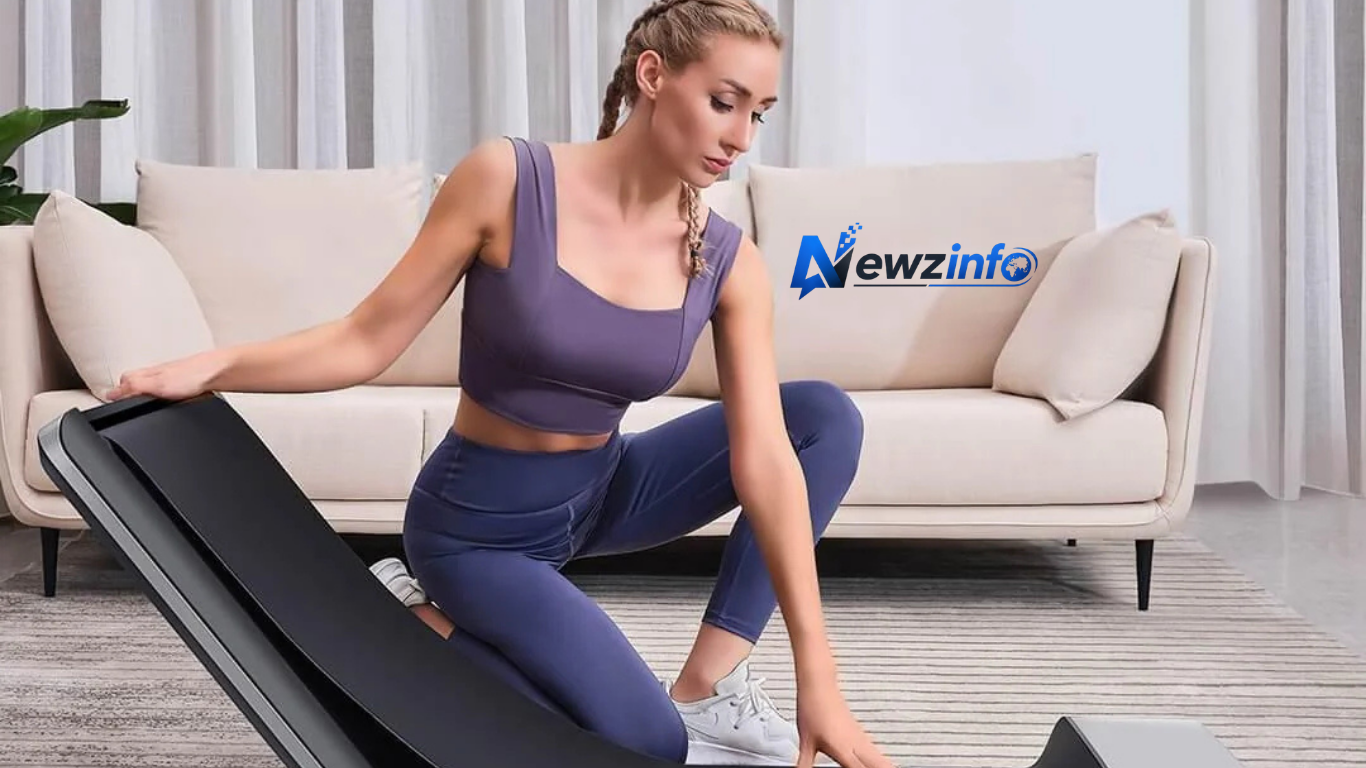
In recent years the foldable walking pad has quietly transformed how many people approach daily movement. These slim, portable machines sit under a desk or against a wall when not in use, yet open up to deliver steady, low-impact walking whenever it suits you. For anyone juggling remote work, limited living space or unpredictable British weather, the appeal is obvious.
Unlike a full-sized treadmill, a foldable walking pad is designed primarily for walking and light jogging. It prioritises quiet operation, a modest footprint and easy storage. The result is a practical tool that helps people hit step goals without rearranging their entire home or booking a gym session.
Interest continues to grow because the concept meets a genuine need. Sedentary work patterns remain common, while the desire for convenient fitness has never been stronger. A foldable walking pad offers a middle ground: consistent activity that fits around real life rather than demanding a separate routine.
What Exactly Is a Foldable Walking Pad?
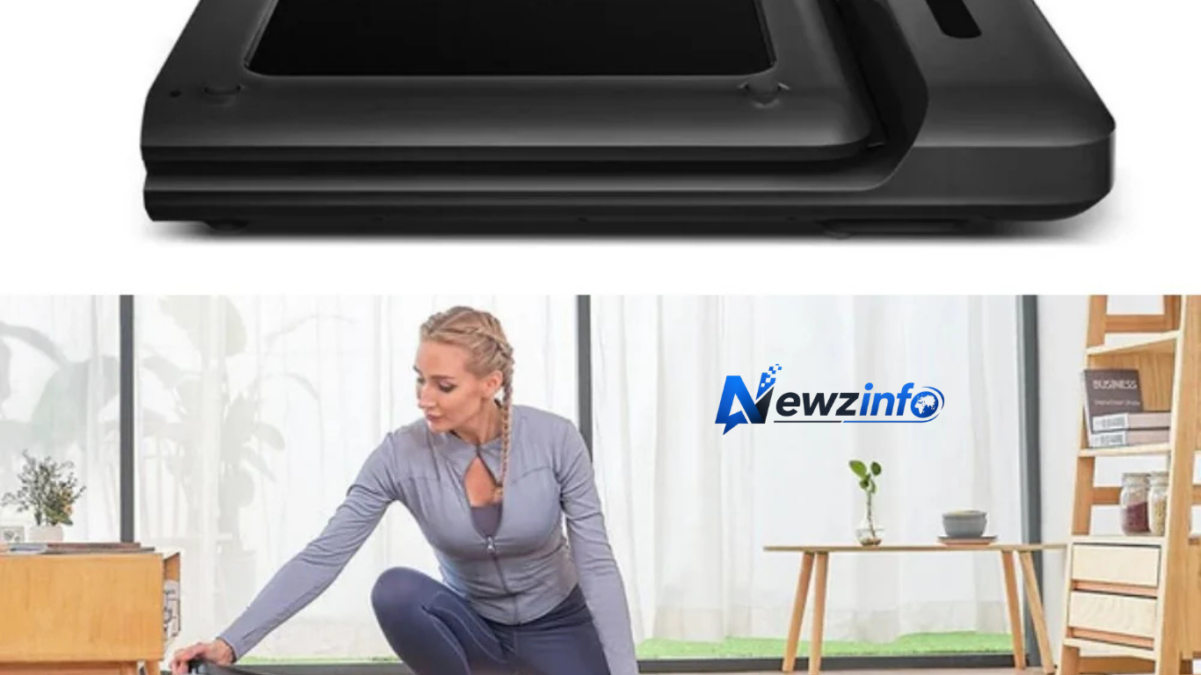
A foldable walking pad is a compact motorised treadmill built for walking. Most models measure roughly 140–145 cm in length when open and fold in half to around half that size, often dropping to a height of just 12–14 cm. Many weigh between 25 and 30 kg and include transport wheels, making them manageable to move.
Key design features usually include a continuous walking belt of about 120 cm by 40–45 cm, a quiet brushless motor, and speeds that typically range from 0.5 to 6 km/h. Some higher-end versions reach 10–12 km/h when used with a raised handrail. Shock-absorbing decks help reduce impact on joints, while remote controls or companion apps allow speed adjustments without interrupting your stride.
The foldable mechanism is the defining element. A patented or carefully engineered hinge lets the deck collapse flat or stand upright, reclaiming floor space within seconds. This is what separates these machines from traditional treadmills that remain bulky even when “folded”.
Why People Turn to a Foldable Walking Pad
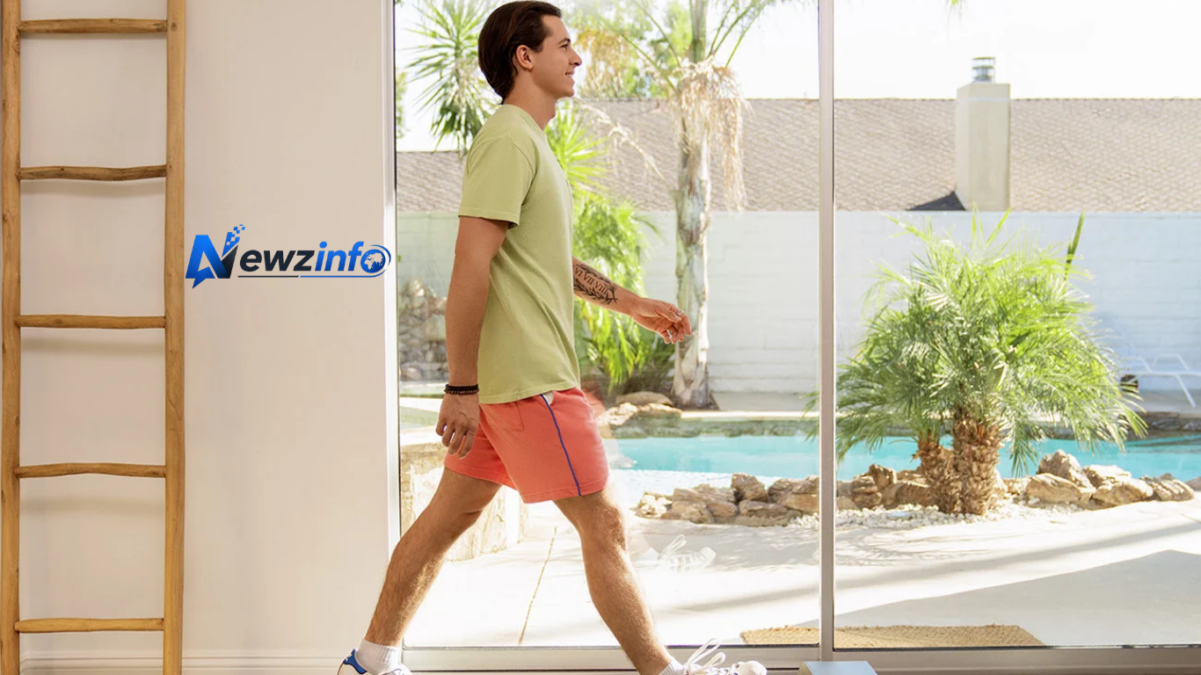
The main attraction is convenience. You can walk while answering emails, watching television or taking a phone call. Many users report that the gentle movement improves focus and reduces the stiffness that comes from long periods of sitting.
Health benefits of regular walking are well established. The NHS highlights improvements in energy levels, blood pressure, sleep quality and reduced risk of heart disease and type 2 diabetes. A foldable walking pad makes it easier to accumulate the recommended 150 minutes of moderate activity each week without leaving the house.
Space constraints matter too. In UK flats and smaller homes, a conventional treadmill is often impractical. A foldable walking pad can live under a sofa, bed or desk and appear only when needed. Noise levels are generally low enough for shared living or office environments, though results vary by model and surface.
The machines also suit people recovering from injury or managing joint concerns. The controlled, flat surface and modest speeds provide a gentler alternative to outdoor walking on uneven pavements or in poor weather.
Key Features to Consider When Choosing
Not every foldable walking pad is the same. Several practical factors influence how well a model will work in daily life.
Size and storage. Check both unfolded and folded dimensions. Confirm it will fit under your furniture or against a wall. Some models fold flat; others stand vertically like a suitcase.
Weight capacity and deck length. Most support 100–110 kg, with a few reaching 136 kg. Taller users or those with longer strides should look for a longer belt—ideally 120 cm or more—to avoid feeling cramped.
Motor and noise. Brushless motors tend to run quieter and last longer. Look for models that stay under 65 dB at typical walking speeds if you plan to use the machine during calls or while others are nearby.
Controls and connectivity. Basic remote controls are common. Many models also offer smartphone apps that track steps, distance, time and calories. Some include automatic speed adjustment based on foot position on the belt.
Speed range and versatility. Pure walking pads top out around 6 km/h. “2-in-1” versions add a folding handrail and higher speeds for light jogging or running. Incline options remain rare on the most compact foldable designs.
Build quality and warranty. A solid frame, decent shock absorption and a one-year (or longer) warranty provide reassurance. Lubrication of the belt is usually required periodically to keep the machine running smoothly.
Practical Benefits in Everyday Life
Many owners discover that the foldable walking pad becomes part of their routine almost without effort. A 20-minute session during a lunch break or while listening to a podcast quickly adds several thousand steps. Over a week the cumulative effect is noticeable.
Remote workers particularly value the ability to walk during meetings that do not require intense concentration. The gentle activity can improve circulation and help maintain energy through long days at a desk. Parents and carers often appreciate the flexibility to move while remaining at home.
The machines also remove common barriers. Bad weather, dark evenings and lack of nearby safe walking routes no longer prevent daily activity. For those who dislike gyms or prefer privacy, a foldable walking pad offers a private, low-pressure way to stay mobile.
Limitations and Realistic Expectations
It is important to stay balanced. A foldable walking pad is not a full replacement for outdoor walking, strength training or higher-intensity exercise. Most models lack incline, which means calorie burn remains modest compared with hill walking or outdoor routes with elevation.
Stability can feel different from a traditional treadmill, especially at the higher end of the speed range. Some users need a short adjustment period to find a natural rhythm. Noise, while generally acceptable, is not completely silent—particularly on higher speeds or hard floors. A dedicated mat can help reduce both sound and vibration.
Durability varies. The folding hinge is a potential wear point over years of heavy use. Choosing a reputable brand with clear support and spare parts availability is wise. Prices range from under £200 for basic models to £500 or more for premium foldable designs with stronger motors and better build quality.
How to Get the Most from Your Foldable Walking Pad
Start slowly. Begin with short sessions at a comfortable pace and gradually increase duration. Many people find 30–45 minutes a day, broken into smaller blocks, works well.
Pair the machine with a standing desk for maximum flexibility. Use the time for lighter tasks—emails, podcasts, or phone conversations—rather than complex focused work, at least initially. Track progress through the built-in display or app if that motivates you, but avoid becoming overly fixated on numbers.
Maintain the machine. Wipe the belt regularly, keep the deck free of dust, and apply lubricant as recommended in the manual. Store it folded when not in use to protect the mechanism and free up space.
Combine walking pad sessions with other forms of movement. Outdoor walks, strength exercises and stretching still matter for overall fitness and joint health.
Looking Ahead: The Growing Role of Compact Fitness Tools
The foldable walking pad reflects a broader shift towards home fitness equipment that respects limited space and busy schedules. As more people work flexibly and seek sustainable ways to stay active, demand for well-designed, quiet and storable machines is likely to continue.
Manufacturers have refined the concept significantly since the earliest models. Quieter motors, better folding systems, improved apps and stronger weight capacities now make the category more practical than ever. Design awards and widespread user feedback suggest the core idea has lasting value.
For many households the foldable walking pad has moved from novelty to everyday essential—quietly supporting health goals without dominating the living room.
Conclusion
A foldable walking pad offers a practical, space-conscious solution for anyone who wants to walk more without the constraints of weather, gym memberships or bulky equipment. Its compact design, quiet operation and ease of use make it especially suited to modern UK homes and working patterns.


 Technology2 months ago
Zingyzon.com in USA: Your Practical Guide to Smarter Home Living
- Technology2 months ago
Exploring Glaadvoice.com: An Independent Voice in Digital Media
- Fashion2 months ago
Home Decor Ideas TheHomeTrotters: Timeless Inspiration for Creating a Home You Love
- Technology2 months ago
Yonosamachar Com: Exploring the Rise of a Digital News Platform in the Modern Information Age
- Celebrity2 months ago
Jesse Belle Deutschendorf: The Private Artistic Life of John Denver’s Daughter
- Celebrity2 months ago
Nancy Guthrie Update: Suspect Search and Ongoing Investigation into the Disappearance of Savannah Guthrie’s Mother
- Fashion2 months ago
Gelato Pique: The Japanese Brand Turning Loungewear into Wearable Dessert
- health1 month ago
Moringa Seeds: Nature’s Nutrient-Dense Treasure from the Drumstick Tree