
Fashion
The Enduring Appeal of the Gua Sha Stone: From Ancient Remedy to Modern Ritual

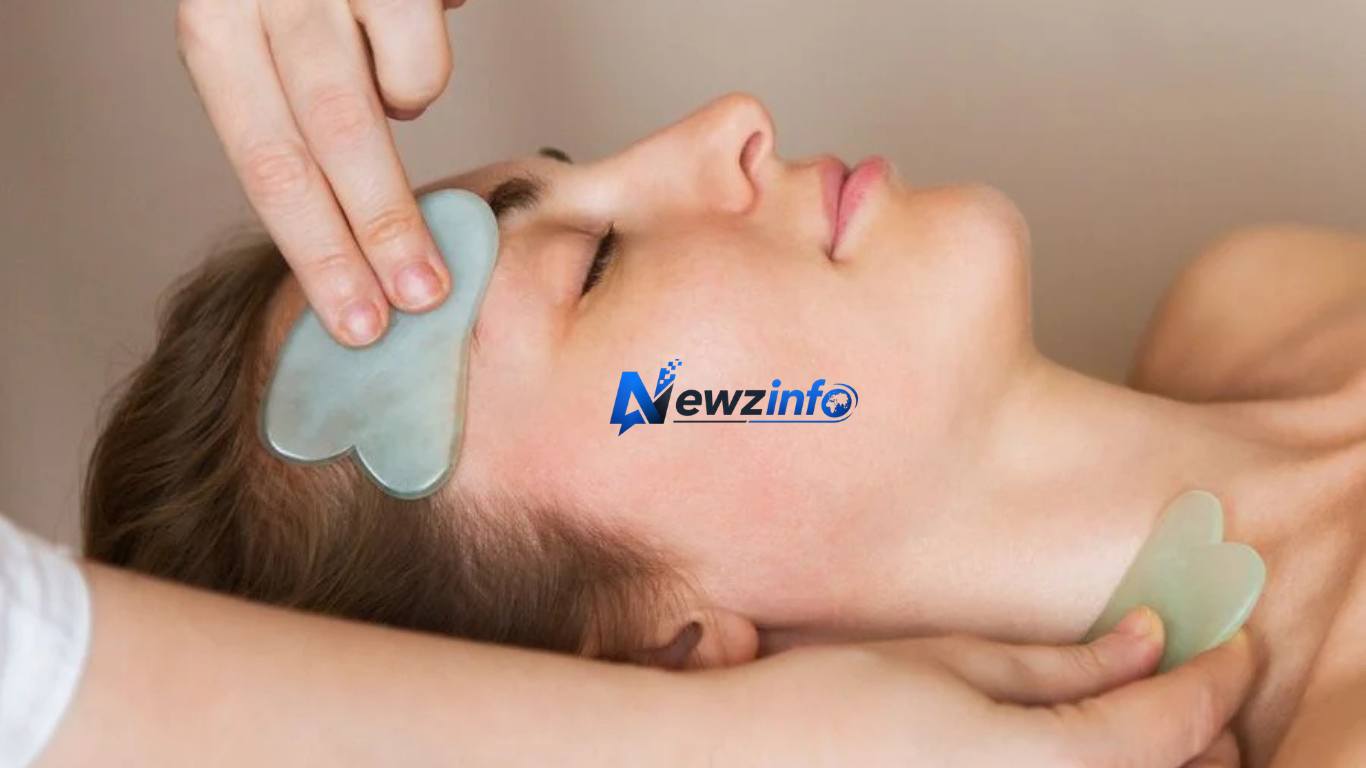
The gua sha stone has quietly moved from traditional Chinese medicine clinics into bathroom cabinets and beauty routines across the UK and beyond. Once an everyday household practice for easing muscle tension or the early signs of a cold, it is now recognised for both therapeutic scraping and gentle facial massage. Its smooth, curved edges and cool weight offer a tactile experience that feels both ancient and contemporary.
Readers remain drawn to the gua sha stone because it sits at the intersection of heritage and accessibility. In an age of high-tech skincare devices, a simple polished stone requires no batteries or apps—only steady pressure, a little oil and patience. Interest has grown as people seek natural ways to support circulation, ease everyday aches and reduce facial puffiness, even while acknowledging that research is still catching up with centuries of traditional use.
Early Origins and Cultural Background
Scraping therapies appear to stretch back thousands of years in East Asia. Archaeological evidence points to the use of smooth stones, known as bian stones, in neolithic China for external treatment of discomfort and illness. Written references to related techniques surface in classical texts such as the Huangdi Neijing, while the formal practice of gua sha became more clearly documented during the Ming dynasty (1368–1644).
The name itself is straightforward: “gua” means to scrape, and “sha” refers to the distinctive petechiae—small red or purple marks—that appear on the skin after treatment. Practitioners treated conditions linked to wind, cold or heat invading the body, as well as musculoskeletal pain and feverish illnesses.
Household objects often served the purpose: ceramic spoons, coins, water-buffalo horn or pieces of jade. The practice spread throughout East and Southeast Asia, appearing under different names—cao gio in Vietnam, kerokan in Indonesia—yet the underlying principle remained the same: deliberate, unidirectional strokes over lubricated skin to promote local circulation and ease symptoms.

Materials, Design and How the Tool Evolved
A modern gua sha stone is typically a flat, smooth-edged instrument with contoured curves designed to fit the body or face. Popular materials include:
- Jade – cool to the touch, traditionally valued in Chinese culture for its association with purity and longevity.
- Rose quartz – slightly softer and often chosen for facial work because of its gentle feel.
- Bian stone – a form of sedimentary rock historically linked to therapeutic heat properties.
- Water-buffalo horn – durable, naturally cooling and long used in clinical settings.
- Stainless steel or ceramic – easy to clean and favoured by some professional therapists.
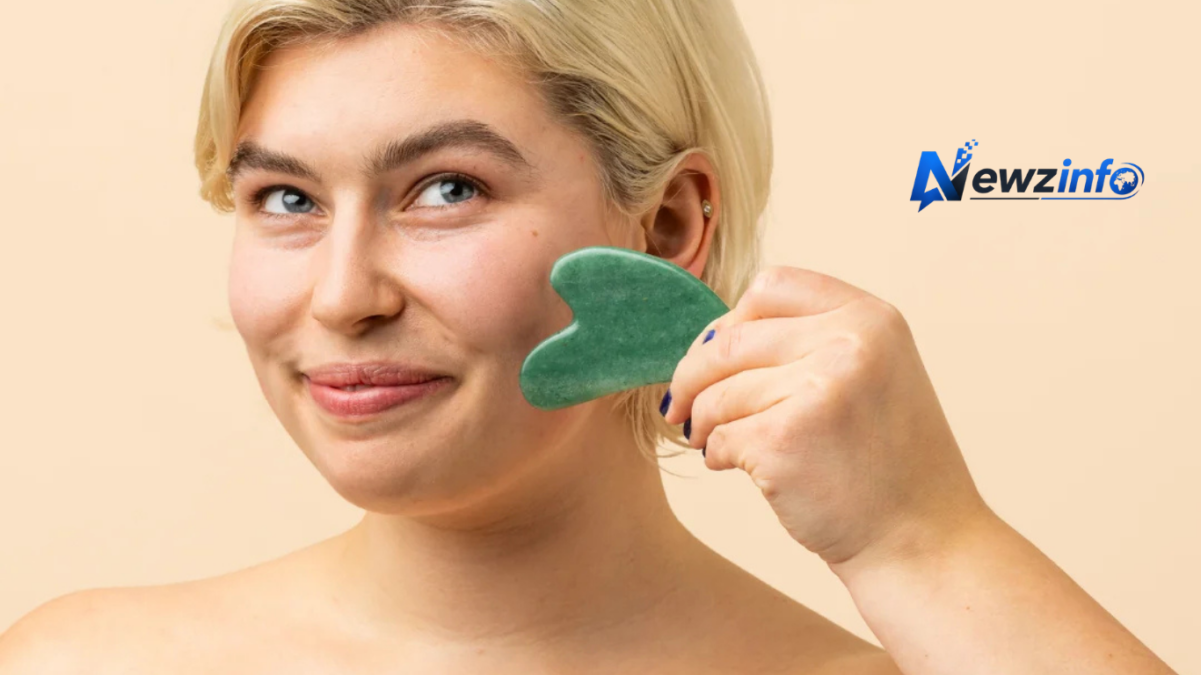
Shapes vary. Body tools may be larger and more rectangular, while facial versions often feature a double-notched edge for the jawline and under-eye area plus a longer side for the forehead and cheeks. The essential requirement is a polished, non-abrasive surface that glides without breaking the skin.
Rise in Popularity and Everyday Practice
For much of the twentieth century gua sha remained primarily a clinical or family remedy within Chinese and diaspora communities. After periods of official discouragement in mid-century China, traditional modalities gradually regained recognition. In the West the technique entered wider awareness through acupuncture and Chinese-medicine practitioners, then accelerated with social-media interest in facial gua sha.
Body gua sha typically involves firmer pressure along muscle groups or meridians on the back, neck, shoulders and limbs. Oil or balm is applied first, and short, unidirectional strokes continue until light redness or petechiae appear. Facial application uses far lighter pressure and is usually performed for temporary de-puffing, improved product absorption and a sense of lift rather than to produce visible sha.
Scientific investigation has focused mainly on measurable physiological effects. Studies indicate that the technique can increase local microcirculation for a short period and may reduce certain types of musculoskeletal pain more effectively than heat packs alone in some trials. Anti-inflammatory responses and temporary improvements in range of motion have also been observed. Evidence for lasting facial contouring or permanent wrinkle reduction remains limited; any visible tightening is generally short-lived and related to fluid movement rather than structural change.
Practical Considerations and Balanced Perspective
Like any physical therapy, gua sha is not without caveats. Overly aggressive scraping can cause bruising, skin irritation or, rarely, more serious surface injury. It is generally avoided over broken skin, active infections, varicose veins, or in people with bleeding disorders or certain medications that affect clotting.
Traditional claims about balancing qi sit alongside modern explanations centred on mechanical stimulation of soft tissue, increased blood flow and possible modulation of local inflammation. Both perspectives can coexist: many users value the ritual and sensory experience even while recognising that results are often temporary and individual.
The tool’s accessibility is one of its strengths. A single well-made gua sha stone, used correctly with a suitable medium, can form part of a home self-care routine. Professional treatment remains preferable for deeper musculoskeletal issues, where technique, pressure and knowledge of anatomy matter.
Current Uses and Continuing Interest
Today the gua sha stone appears in two main contexts. In clinical Chinese-medicine settings it continues as a treatment for pain, tension and early-stage respiratory symptoms.
Public figures and skincare brands have helped normalise its presence, yet the practice itself remains simple. Many people keep a jade or rose-quartz tool beside their cleanser and moisturiser, using a few minutes of gentle strokes as a daily or weekly ritual. Interest in traditional materials has also revived appreciation for bian stone and horn among those seeking authenticity.
Quick Facts
| Detail | Information |
| Name | Gua sha stone (or gua sha tool) |
| Origin | Traditional Chinese medicine, East Asia |
| Earliest evidence | Neolithic scraping tools; formalised in Ming era |
| Common materials | Jade, rose quartz, bian stone, horn, metal |
| Primary uses | Body scraping for circulation and pain; facial massage for temporary de-puffing |
| Typical marks | Transient petechiae (“sha”) on body treatment |
| Modern popularity | Global wellness and skincare markets |
| Research status | Emerging evidence for microcirculation and pain relief; limited high-quality data on long-term cosmetic claims |
Lasting Influence
The gua sha stone endures because it bridges practical therapy and mindful ritual. It reminds users that simple, physical interventions—pressure, movement, touch—can still play a role alongside modern medicine. Its influence is visible in the wider acceptance of instrument-assisted soft-tissue techniques and in the growing curiosity about East Asian self-care practices.
Public perception has shifted from curiosity or mild alarm at the characteristic redness to recognition of a legitimate traditional method with measurable short-term effects. The lesson many draw is one of balance: respect for historical knowledge tempered by realistic expectations about what a smooth stone can and cannot achieve.
Conclusion
The gua sha stone continues to invite quiet, deliberate attention to the body. Whether used to ease a tight shoulder or to start the day with a few calming strokes across the face, it offers a tangible link to a long tradition of hands-on care.
Have you ever wished for a simple, natural way to wake up looking refreshed, de-puffed, and glowing—without expensive treatments or harsh products? The gua sha facial offers exactly that. Rooted in centuries-old wisdom, this gentle scraping technique has quietly become a modern skincare favorite. People turn to the gua sha facial not just for beauty, but for the calm, connected feeling it brings to their daily routine. In a world full of quick fixes, the gua sha facial stands out as a mindful practice that cares for both skin and spirit.
The Ancient Origins of Gua Sha Facial
Gua sha facial traces its roots to traditional Chinese medicine, practiced for over two thousand years. Originally used on the body to relieve muscle tension, improve blood flow, and release stagnation, the technique was later adapted for the face. Healers believed that gentle scraping could move “qi” (vital energy) and clear blockages that showed up as dullness, puffiness, or tension in the facial muscles.
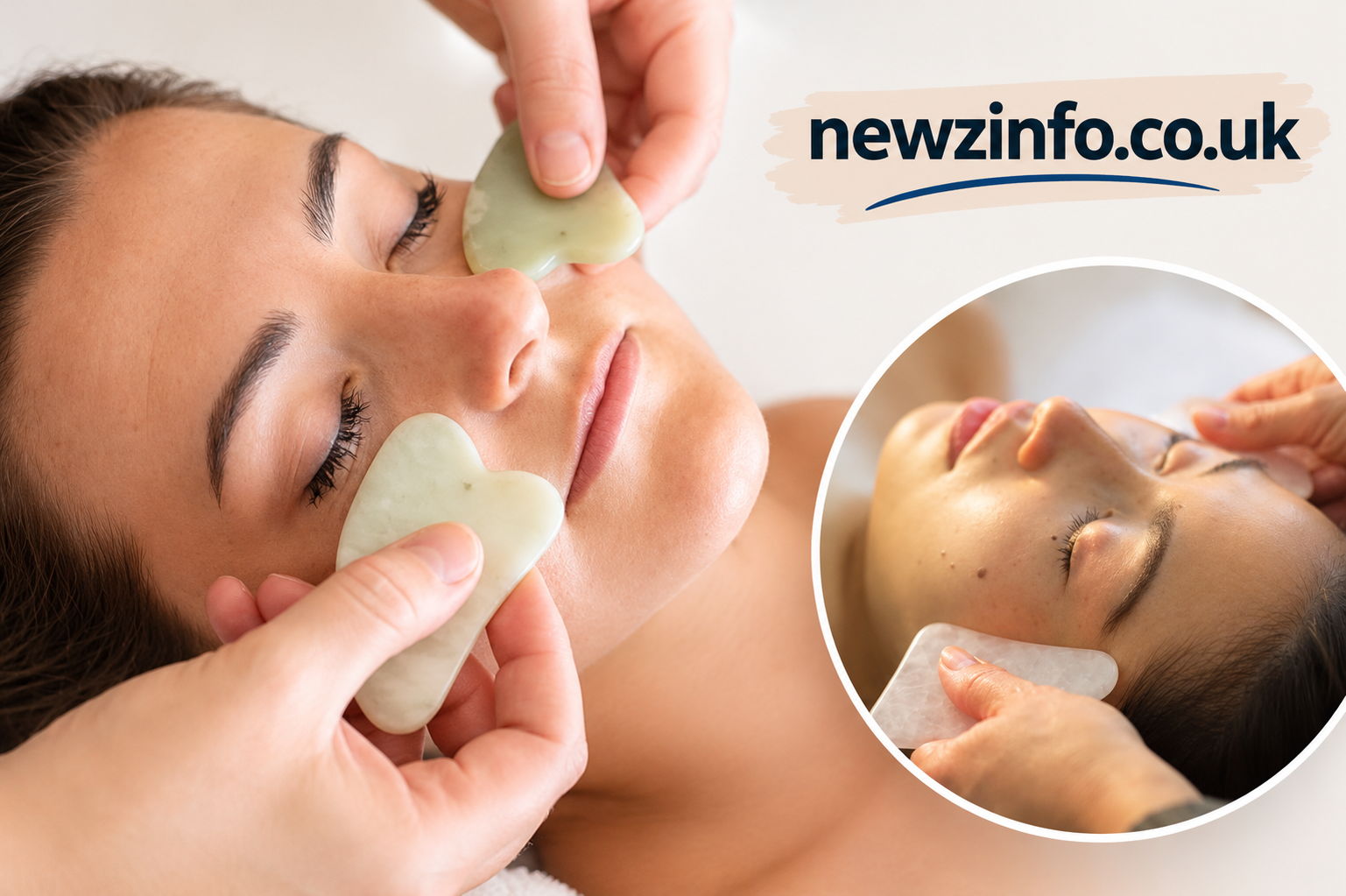
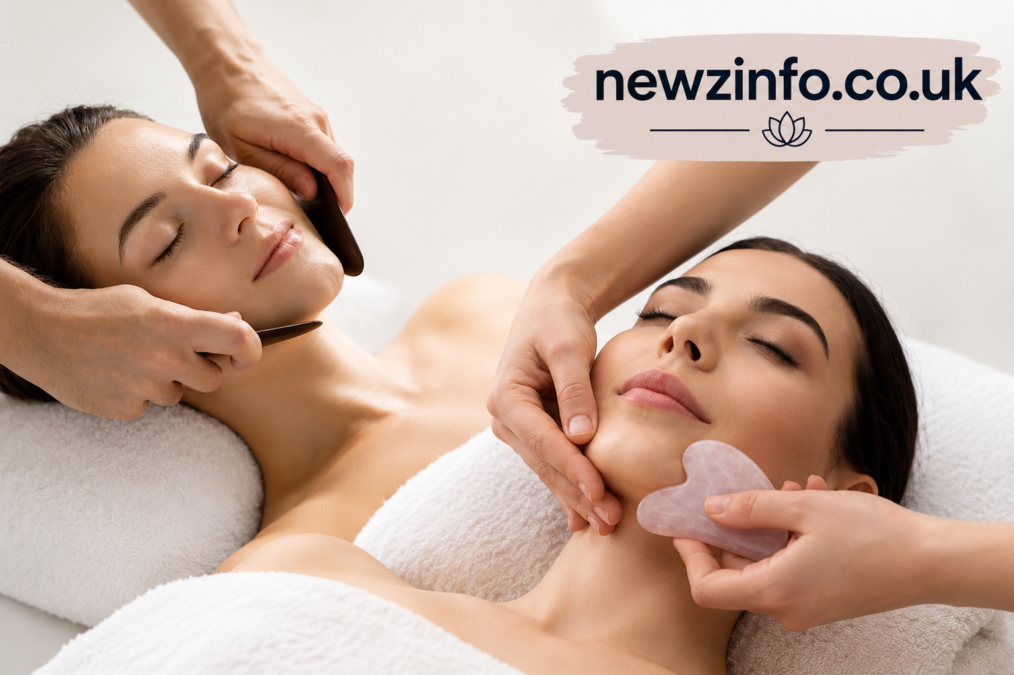
Unlike aggressive tools or devices, the facial version uses smooth, flat stones—often jade or rose quartz—guided in upward strokes. What began as a healing method in villages and clinics has evolved into a beloved at-home ritual. Today, the gua sha facial bridges ancient knowledge and contemporary self-care, reminding us that true radiance often comes from slow, intentional touch rather than speed.
What “Gua Sha” Really Means and Why It Matters
The name itself tells a story. “Gua” means to scrape, and “sha” refers to the temporary redness or petechiae that can appear when the technique is performed on the body. On the face, the strokes are much lighter, so visible marks are rare. The significance goes deeper than the words: gua sha facial is about encouraging circulation and lymphatic drainage so the skin can renew itself naturally.
This practice honors the idea that beauty and wellness are connected. By stimulating the face with mindful pressure, you support the body’s own ability to reduce fluid retention and promote a healthier glow. The meaning of gua sha facial lies in its simplicity—no complicated machines, just a smooth tool, a little oil, and your own hands guided by intention.
Tools and Essentials for a Gua Sha Facial
You do not need a large collection to begin. Here are the core items most people use:
- A gua sha tool made of jade, rose quartz, or stainless steel
- A facial oil or serum to help the tool glide smoothly
- Clean hands and a quiet space
- Optional: a mirror and a few minutes of calm breathing
These simple tools turn an ordinary evening into a moment of care. Many people keep their gua sha stone on their nightstand as a visual reminder to pause and tend to themselves.
How the World Embraced the Gua Sha Facial
Social media and beauty communities helped the gua sha facial move from traditional practice into everyday routines across the globe. Users share before-and-after photos showing softer jawlines, brighter under-eyes, and calmer complexions. Estheticians and dermatologists have also spoken about its value for lymphatic drainage and temporary reduction of puffiness when done correctly.
The reaction has been largely positive because the results feel accessible. People appreciate that the gua sha facial requires no appointments and fits into busy lives. Of course, results vary, and it works best as a consistent habit rather than a one-time miracle. The growing interest reflects a wider desire for gentle, non-invasive ways to care for the face.
The Emotional Side of a Gua Sha Facial Ritual
Beyond the visible effects, many describe the gua sha facial as a form of self-compassion. The slow, rhythmic strokes invite you to notice tension you may have been carrying in the jaw, forehead, or cheeks. In those quiet minutes, the practice becomes less about looking younger and more about feeling present.
For some, it is a daily reset after long screen time or stressful days. For others, it is a small act of kindness toward a face that works hard every day. The emotional gift of the gua sha facial is the reminder that you deserve gentle attention—something many of us forget in the rush of life.
Why So Many People Search for Gua Sha Facial
Curiosity about the gua sha facial often begins with a desire for natural solutions. Searchers want to reduce morning puffiness, improve product absorption, or find a calming alternative to invasive procedures. Others simply want to understand an ancient technique that has suddenly appeared in their feeds.
People also look for guidance on proper technique, tool choice, and realistic expectations. The topic sits at the intersection of beauty, wellness, and cultural heritage, which makes it endlessly interesting. In short, the gua sha facial answers a quiet need for both visible results and a more mindful way to care for the self.
Final Thoughts
The gua sha facial is more than a trend—it is an invitation to slow down and touch your own face with care. In a few quiet minutes, you can support your skin’s natural processes while offering yourself a moment of presence. Whether you come for the glow, the de-puffing, or the calm, this ancient practice meets you exactly where you are. Start gently, stay consistent, and let the simple rhythm of the strokes remind you that radiance often begins with kindness toward yourself.
Must Read: Who Is Tanner Wiseman? The Heartfelt Journey of a Paranormal Explorer and Storyteller
FAQs
Is gua sha facial painful?
No. When done correctly with light pressure and enough oil, it feels soothing and relaxing. Any discomfort means you are pressing too hard.
How long does a gua sha facial session take?
Most people finish in 5 to 10 minutes. A few focused minutes each day work better than long, occasional sessions.
Can I use gua sha facial if I have sensitive skin?
Yes, but start very gently and always use a slippery serum or oil. Stop if redness lasts longer than a few minutes.
Does gua sha facial replace my regular skincare?
No. It works best as an add-on that helps products absorb better and reduces temporary puffiness. Keep cleansing, moisturizing, and sunscreen in your routine.
When will I see results from gua sha facial?
Many notice less puffiness after the first use. A healthier glow and softer facial contours usually appear after consistent practice for two to three weeks.
Fashion
Inside the Justin Flom House: The Magician’s Viral Fun House That Feels Like Pure Childhood Magic

Have you ever scrolled past a video and stopped in pure amazement at a home that looks more like a real-life playground than a place to live? That’s the Justin Flom house. The Justin Flom house in Las Vegas has become an internet sensation, turning ordinary rooms into secret passages, trap doors, and pure joy. Magician and content creator Justin Flom transformed his family home into something extraordinary, and millions can’t stop watching. This is the story of how one man’s creativity turned a regular house into a wonderland that feels both playful and deeply human.
Background and Birth Details of Justin Flom
Justin Flom was born on April 29, 1986, in Edina, Minnesota, and raised in nearby Eden Prairie. He grew up in a family of magicians. His father, Scott Flom, and his uncle performed magic, so illusions were part of everyday life from the start. As a child, Justin practiced tricks in the family basement, which already had a stage. He performed from a very young age and later skipped the traditional college path. At 18 he opened The Imaginary Theatre and Magic Parlor in Branson, Missouri, becoming one of the youngest headliners there. He eventually moved to Las Vegas, the natural home for a professional magician, and began building the career that would later lead him to reinvent his own living space.
The Meaning and Significance Behind the Name
The phrase “Justin Flom house” has taken on a life of its own. It no longer simply points to a residence. It signals a place where magic, creativity, and family life collide. Flom himself has called it the “Trap Door House” or fun house—an evolving canvas rather than a finished product. Every modification, from a fireman’s pole in the laundry chute to a hidden disco room behind a vending machine, reflects his belief that ordinary spaces can still hold wonder. The name now represents a philosophy: turn the place you live into the place that keeps you (and everyone watching) curious.
Family Members Who Share the Justin Flom House
The Justin Flom house is very much a family home. Here are the people most closely connected to it:
- Justin Flom – creator, magician, and the driving force behind every renovation
- Anna Rothfuss (married 2023) – wife and frequent collaborator in videos
- Haven Grace Flom – one of Justin’s two daughters
- Holiday Faith Flom (also referred to as Holly) – Justin’s second daughter
- Previous marriage to Jocelynn Sharp (2009–approx. 2021), with whom he shares the two daughters
The children appear in some of the lighter, more playful content, and the house is clearly designed with their joy in mind as much as the camera’s.
Public Reaction to the Justin Flom House
Viewers have responded with a mix of delight, envy, and pure disbelief. Videos of the house routinely gather tens or hundreds of millions of views. One tour shared by Flom’s sister reached over 250 million views on YouTube Shorts alone. People comment that it feels like stepping into a childhood dream or a real-life escape room. Some joke about whether the house is even livable day-to-day, while others say they would trade their own homes for a foam-pit bedroom and a secret doorway in a heartbeat. The reaction is overwhelmingly warm—people recognize the creativity and the genuine sense of fun.
The Emotional and Human Angle Behind the Build
What makes the Justin Flom house touching is that it grew out of real life, not just content strategy. After years of touring as a magician, Flom shifted focus during a time when live performances stopped. He began treating the house itself as the stage. The renovations became a way to stay creative, to give his daughters a home full of wonder, and to share that wonder with strangers online. There is something deeply human about an adult still building the kind of house a child would invent. The trap doors and secret rooms are entertaining, but they also feel like a quiet refusal to let everyday life become ordinary.
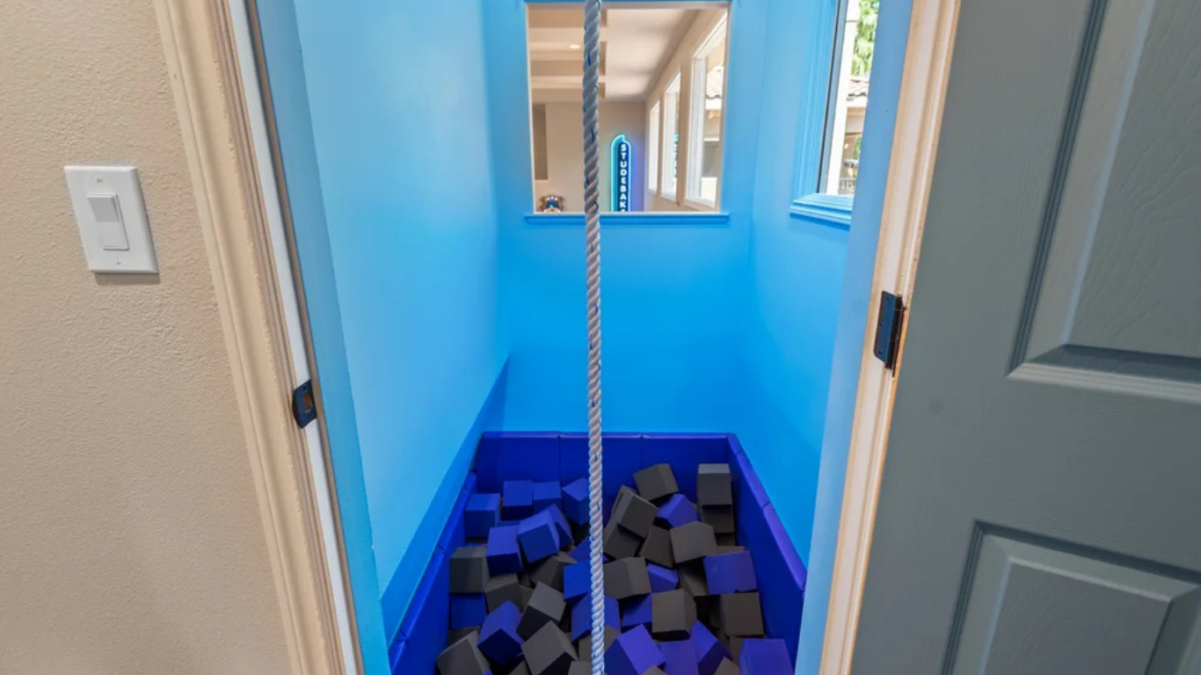
Why So Many People Search for the Justin Flom House
People search for the Justin Flom house because it offers more than spectacle. It satisfies curiosity about how a creative mind turns a regular Las Vegas home into something unforgettable. Viewers want the details—how the fireman’s pole works, what the penny floor looks like up close, whether the family actually lives with all those surprises every day. The search also reflects a broader longing for spaces that feel playful in a world that often feels practical. The Justin Flom house has become a modern fairy-tale setting that people can visit again and again through a screen.
Frequently Asked Questions About the Justin Flom House
Where is the Justin Flom house located?
It is in Las Vegas, Nevada. The exact street address is kept private for the family’s safety and privacy.
What makes the Justin Flom house so special?
It is filled with secret passageways, trap doors that open into foam pits, a trampoline room, a fireman’s pole laundry chute, a disco room hidden behind a vending machine, sitcom-inspired doors, a floor made of thousands of pennies, and many other playful surprises.
Does Justin Flom still live in the house with his family?
Yes. He lives there with his wife Anna and his two daughters. He has also purchased the neighboring house and connected the two properties, expanding the fun-house experience.
How did Justin Flom start transforming the house?
After live magic performances slowed, he began treating the home as a creative canvas. Small projects grew into larger renovations that he documented online, and the videos took off.
Is the Justin Flom house open to the public?
No. It remains a private family residence. The only way most people experience it is through the videos Justin and his family share.
Conclusion
The Justin Flom house is more than a viral trend. It is a living reminder that creativity does not have to leave home when the stage lights go out. In a quiet Las Vegas neighborhood, one magician decided to fill ordinary rooms with extraordinary possibilities—for his children, for himself, and for anyone watching who still believes a house can feel like magic. That combination of playfulness and genuine heart is why so many of us keep coming back to the Justin Flom house, smiling a little wider each time.
Must Read: Marilisa Maronesse: The Quiet Strength Behind Chayanne’s Enduring Love Story

Artificial grass has transformed the way many people think about their gardens. Once associated mainly with sports grounds and tired-looking plastic lawns, modern artificial grass now appears in family gardens, balconies, roof terraces, hospitality venues and compact urban courtyards across the UK.
Its appeal is easy to understand. Artificial grass stays green throughout the year, does not need mowing and can cope with heavy use without developing muddy patches. Yet the decision to install it is not as simple as choosing between a green lawn and a brown one. Cost, drainage, heat, wildlife, maintenance and end-of-life disposal all deserve careful consideration.
For some households, synthetic turf offers a practical answer to a demanding outdoor space. For others, a natural lawn, planted border or mixed garden may provide greater long-term value. Understanding how artificial grass works — and what it cannot replace — is the best way to make an informed choice.
What Is Artificial Grass?
Artificial grass is a manufactured surface designed to resemble natural turf. It usually consists of plastic blades stitched into a backing layer, with a prepared sub-base beneath it to provide stability and drainage. The fibres are commonly made from polyethylene, polypropylene or nylon, with polyethylene often used for softer domestic products.
Unlike natural grass, artificial grass does not grow. It requires no seed, soil, sunlight or regular feeding, which is why it is often marketed as a low-maintenance alternative to a traditional lawn. However, “low maintenance” does not mean maintenance-free. Leaves, dirt, moss, pet waste and other debris still need to be removed, while the pile may require brushing to keep it upright.
The modern product also has a history beyond domestic landscaping. Synthetic turf became widely known in the 1960s, particularly after its high-profile use at the Houston Astrodome in 1966. That connection helped establish artificial turf as a sports surface before the product gradually entered residential gardens.
Today, domestic artificial grass is available in different pile heights, colours, densities and textures. Shorter pile products can suit balconies and small courtyards, while longer, softer varieties are often chosen for family gardens. The right option depends on how the area will be used rather than simply how realistic the sample looks in a showroom.
Why Artificial Grass Remains Popular
The strongest argument for artificial grass is convenience. A natural lawn may need mowing during the growing season, reseeding after wear, feeding, edging and occasional watering. Synthetic turf removes most of those routine tasks, making it attractive to people with limited time, mobility difficulties or small gardens that are difficult to maintain.
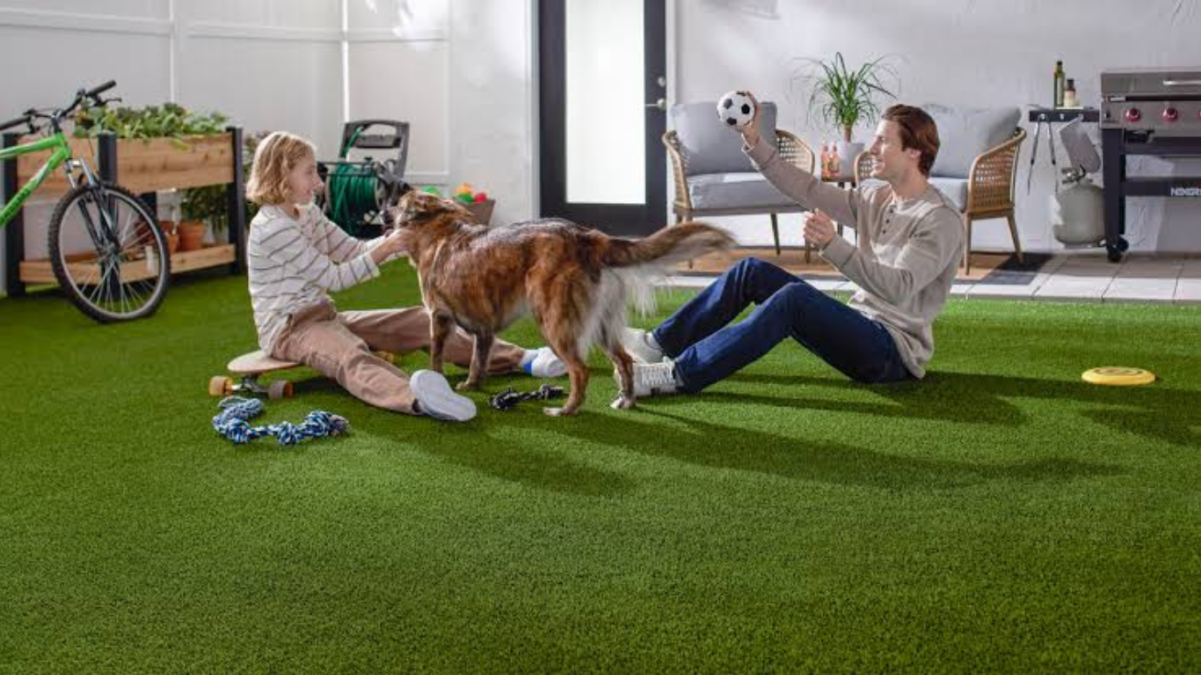
Artificial grass also creates a consistent appearance. It does not become yellow during dry spells or turn muddy after repeated footfall, provided it has been installed correctly. Families with young children may value a surface that is less likely to develop bare patches, while dog owners often choose it to reduce mud being carried into the house.
There can be practical benefits after wet weather, too. A properly prepared installation allows water to pass through the surface rather than leaving puddles across a compacted lawn. That performance depends heavily on the sub-base and drainage design, however. Poor installation can result in standing water, unpleasant smells or a surface that shifts under pressure.
Artificial grass can also make use of awkward spaces. Narrow side gardens, roof terraces and shaded courtyards may be difficult places to establish healthy natural turf. Synthetic grass can provide a neat, visually continuous surface where growing conditions are poor.
The Cost of Artificial Grass
Artificial grass usually involves a higher initial outlay than sowing seed or laying basic natural turf. The final price depends on the size of the area, the product selected, ground preparation, removal of existing material, edging, drainage and labour.
The visible grass is only one part of the project. Installers may need to excavate the existing ground, add a compacted aggregate base, apply a finer bedding layer and fit a weed membrane before laying and joining the turf. Gardens with poor access, slopes or drainage problems can require additional work.
This means that a low purchase price does not necessarily represent good value. A cheaper product may look less natural, flatten more quickly or prove harder to repair. Conversely, a higher-quality surface may be more comfortable and durable but still carry the environmental and replacement concerns associated with plastic.
Homeowners should request a written quotation that explains preparation, waste removal, edging, drainage, guarantees and future repair arrangements. It is also sensible to ask how offcuts and the old lawn will be disposed of. The apparent simplicity of artificial grass can conceal a substantial construction project beneath the surface.
Maintenance and Everyday Use
Artificial grass still needs regular attention, although the routine is generally lighter than caring for living turf.
Leaves and twigs should be swept or removed before they decompose into the pile. The surface may need occasional brushing, particularly in heavily used areas where the fibres begin to lie flat. Pet owners should remove solid waste promptly and rinse areas where urine has collected. A suitable cleaning solution may help with odours, but harsh chemicals can damage the fibres or backing.
Furniture, paddling pools and play equipment can leave temporary impressions. Moving them periodically allows the pile to recover and reduces wear in one place. Cigarettes, barbecues and other hot objects should never be placed on the surface, as melted fibres are difficult to restore.
Artificial grass can also become hot in direct sunlight. This matters especially in enclosed gardens, balconies and play areas. Shade, careful positioning and occasional cooling with water may make the surface more comfortable, although watering it does not turn synthetic turf into a natural cooling system.
The surface is not immune to weeds, either. Seeds can settle in the edges or in accumulated debris. Good installation and regular cleaning reduce the problem, but they do not guarantee a completely weed-free garden.
Artificial Grass and the Environment
Environmental questions are central to the debate. Artificial grass can reduce household mowing, fertiliser and irrigation, but those benefits should not be confused with a universally positive environmental impact. Synthetic turf is made from plastic, requires energy and materials to manufacture, and eventually needs replacing.
The most obvious loss is biological. A natural lawn, particularly one managed with longer areas or mixed planting, can support insects, soil organisms and other small forms of life. The Royal Horticultural Society recommends providing a range of habitats and plants, allowing some plants to set seed and limiting unnecessary plastic use when creating wildlife-friendly gardens.
The RHS has also identified artificial lawns among features that can harm efforts to promote garden biodiversity. Its advice notes that long grass is associated with greater abundance and variety of butterflies, highlighting what may be lost when every part of a garden is replaced with a uniform synthetic surface.
Plastic pollution is another concern. Research and environmental organisations have raised questions about the release of microplastics through ultraviolet exposure, weather, foot traffic and mechanical wear. A recent Royal Society of Chemistry review described microplastic emissions from artificial turf systems as an area receiving increasing scientific attention.Artificial Grass: Benefits, Costs and Drawbacks
End-of-life disposal is also important. Artificial grass cannot simply be treated like green garden waste. Some local recycling facilities accept it, while others may direct it towards general waste or specialist disposal. Recycle Devon, for example, advises that artificial grass can be taken to a local Household Waste Recycling Centre, but arrangements vary by area.
Planning, Drainage and Installation
Before installing artificial grass, homeowners should consider what happens to rainwater. A surface may appear permeable because water passes through the blades, but the layers beneath can still restrict drainage if they are poorly designed or compacted.
Government guidance on garden surfacing emphasises the importance of permeable materials and directing rainwater towards a permeable area, border or suitable drainage solution. Its planning guidance is particularly relevant to front gardens and hard surfaces, where runoff can contribute to flooding and pollution.
Planning rules differ across the UK and may depend on the location, type of property and character of the area. Listed buildings, conservation areas, flats and homes subject to local restrictions may require additional checks. Edinburgh guidance, for example, states that artificial grass and its substructure can constitute development and may require permission in conservation areas or the grounds of listed buildings.
A reputable installer should assess the existing ground before offering a price. Warning signs include vague guarantees, no explanation of the sub-base, pressure to cover the entire garden and claims that artificial grass is completely maintenance-free or environmentally neutral.
Good design can also reduce the downsides. Instead of covering every available metre, homeowners can combine a smaller synthetic play area with planting beds, trees, permeable paths and a wildlife-friendly corner. This approach preserves some living habitat while retaining the practical advantages of a durable surface.
Artificial Grass: Quick Facts
| Detail | Information |
| Product type | Synthetic lawn or turf surface |
| Common materials | Polyethylene, polypropylene and nylon |
| Main uses | Domestic gardens, balconies, play areas and sports facilities |
| Main advantage | Year-round appearance with less routine upkeep than natural turf |
| Key maintenance | Sweeping, brushing, rinsing and prompt removal of waste |
| Main drawbacks | Upfront cost, heat, limited biodiversity and plastic disposal |
| Drainage requirement | A correctly prepared, suitable sub-base and drainage design |
| Typical lifespan | Varies according to quality, installation, weather and use |
| Recycling | Availability depends on local facilities and product composition |
| Planning considerations | Rules vary by location, property and garden setting |
Is Artificial Grass Right for Your Garden?
Artificial grass may suit a household that needs a hard-wearing, tidy surface and accepts the long-term responsibilities of owning a plastic product. It can be particularly useful where constant foot traffic makes natural turf difficult to maintain, or where muddy conditions create a practical problem.
It may be less suitable for anyone who values wildlife, natural soil, seasonal change or the sensory qualities of a living lawn. The smell of freshly cut grass, the presence of clover and daisies, and the ability of a lawn to support insects are not features that synthetic turf can reproduce.
A natural lawn is not automatically perfect. It may require water, mowing, feeding and repair, and poorly managed turf can offer limited wildlife value. A mixed approach is often more sustainable and attractive: retain living grass where it thrives, reduce the size of the lawn where necessary, and use paving, planting or artificial grass only where there is a clear practical reason.
The most important question is not whether artificial grass is good or bad in every situation. It is whether the product genuinely solves a specific problem better than the available alternatives.
Legacy and Lasting Impact
Artificial grass has changed outdoor design by making a lawn-like appearance possible in places where natural turf struggles. Its development from a specialist sports surface into a mainstream household product reflects a wider desire for convenience, predictable appearance and gardens that can withstand demanding use.
Its lasting impact, however, is likely to be judged as much by responsible use as by visual appeal. Better drainage, clearer product information, improved recycling and designs that protect biodiversity could all shape the next stage of the industry.
For homeowners, the lesson is straightforward: a green surface is not necessarily a living landscape. The best garden decisions balance appearance with function, cost, maintenance and the wider needs of the environment.
Conclusion
Artificial grass can be a practical, attractive solution when used thoughtfully, particularly in busy or difficult spaces. It reduces mowing and can offer a clean, consistent surface throughout the year, but it also brings installation costs, heat, maintenance duties, biodiversity concerns and a difficult end-of-life question.
Must Read: Paul Mescal Height, Age, Career, Family and More

Jade Cargill: The Inspiring Rise of a Wrestling Powerhouse Who Redefined Strength

Howard Schultz and George Soros: The Surprising Truth Behind the Rumors

Jaime Pressly: The Emmy-Winning Star Whose Journey From Small-Town Dreams to Hollywood Heart Will Inspire You


 Technology3 months ago
Zingyzon.com in USA: Your Practical Guide to Smarter Home Living
- Celebrity2 months ago
Tanner Wiseman Net Worth 2026: Age, Career, Family and Biography
- Technology3 months ago
Exploring Glaadvoice.com: An Independent Voice in Digital Media
- Celebrity3 months ago
Nancy Guthrie Update: Suspect Search and Ongoing Investigation into the Disappearance of Savannah Guthrie’s Mother
- Fashion3 months ago
Home Decor Ideas TheHomeTrotters: Timeless Inspiration for Creating a Home You Love
- Technology3 months ago
Yonosamachar Com: Exploring the Rise of a Digital News Platform in the Modern Information Age
- Celebrity3 months ago
Jesse Belle Deutschendorf: The Private Artistic Life of John Denver’s Daughter
- Fashion3 months ago
Gelato Pique: The Japanese Brand Turning Loungewear into Wearable Dessert