Food
What’s Really in Kraft Mac and Cheese Ingredients? Inside the Iconic Blue Box

Few pantry staples spark as much nostalgia, debate and pure comfort as Kraft Mac and Cheese. For generations, the bright blue box has promised a quick, creamy bowl of cheesy pasta that feels like home. Whether you grew up calling it Kraft Dinner in Canada or simply “blue box mac,” the product’s ingredients have become a quiet obsession for parents, food curious eaters and anyone who has ever wondered what makes that distinctive orange powder taste the way it does.
Interest in Kraft Mac and Cheese ingredients has only grown as shoppers scrutinise labels more closely. People want to know exactly what they are feeding their families, how the recipe has evolved, and whether the modern version still delivers the same comforting experience that made it a household name. The story behind those ingredients is surprisingly rich, stretching back nearly a century and reflecting changing tastes, wartime necessity and modern demands for cleaner labels.
Early Life and Background
Kraft Mac and Cheese was born in 1937, during the depths of the Great Depression. James L. Kraft, the Canadian-born entrepreneur who had already patented a method for making processed cheese in 1916, recognised the need for an affordable, shelf-stable meal. His company took macaroni and paired it with a dehydrated cheese powder that required no refrigeration and could feed a family of four for around 19 cents.
The product launched under the name Kraft Dinner. It was not invented from thin air; macaroni and cheese recipes had existed for centuries, with early versions appearing in European cookbooks. What Kraft perfected was convenience and reliability. The combination of dried pasta and powdered processed cheese offered something new: a complete meal that could sit in the cupboard for months and still deliver a hot, filling dinner after a few minutes of boiling water and a splash of milk and butter.
Sales soared almost immediately. In its first year the product moved millions of boxes. During the Second World War, when meat and dairy were rationed, two boxes could be purchased for a single ration point in the United States, cementing its place in American and Canadian kitchens. The familiar blue box design arrived later, in the mid-1950s, giving the product the visual identity that still defines it today.

Career and Rise to Fame
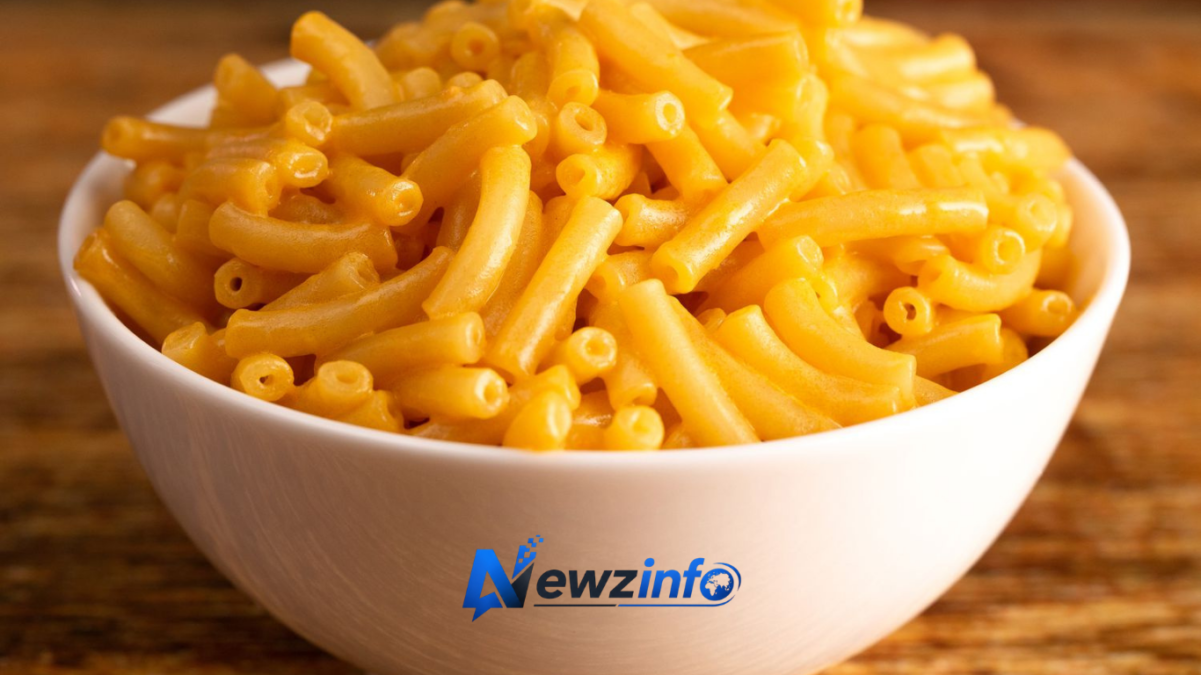
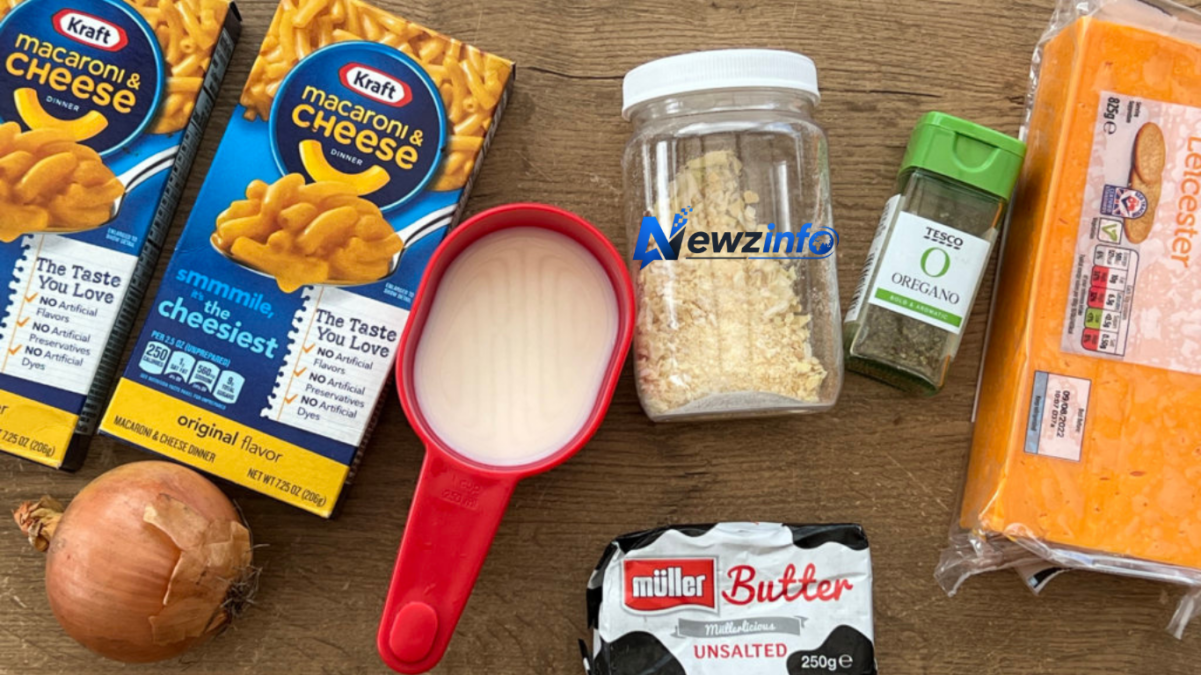
What began as a Depression-era solution quickly became a cultural fixture. Kraft Mac and Cheese found its way into school lunchboxes, student digs, family weeknight dinners and late-night snacks. Its simplicity was its greatest strength. Boil the pasta, drain, stir in the cheese powder with milk and butter or margarine, and dinner was ready.
Over the decades the brand expanded with shape variations, flavour twists and microwave cups, yet the original remained the flagship. It earned a reputation as reliable comfort food rather than gourmet cuisine. Collaborations with popular culture, limited-edition shapes and clever marketing kept it visible. By the late twentieth century it had become shorthand for easy, cheesy satisfaction, recognised far beyond North America.
The product’s public image has always been mixed. Fans celebrate its nostalgic taste and convenience. Critics have long pointed to its highly processed nature. Yet its commercial success is undeniable. Generations have grown up with the distinctive flavour profile created by that cheese sauce mix, and many still reach for the blue box when they want something familiar and unfussy.
Personal Challenges or Turning Points
Like many long-running brands, Kraft Mac and Cheese has faced periods of scrutiny and adaptation. For years the original formula relied on artificial colours Yellow 5 and Yellow 6 to achieve its signature bright orange hue, along with artificial flavours and preservatives. Growing consumer demand for simpler ingredients, amplified by online petitions, prompted a major reformulation.
In late 2015 Kraft quietly changed the recipe. Artificial dyes were replaced with paprika, turmeric and annatto. Artificial flavours and preservatives were removed. The company conducted what it later called the world’s largest blind taste test, selling more than 50 million boxes of the new version before publicly announcing the switch in 2016. Most consumers did not notice the difference in taste or appearance.
The change was not without lingering debate. Ingredients such as citric acid and sodium phosphates remain, and some advocacy groups continue to question processing methods and packaging materials. Market competition has also intensified. Premium and “better-for-you” mac and cheese brands have gained ground, while store-brand alternatives undercut on price. Kraft Heinz has responded with new flavours, higher-protein options and restaurant-inspired varieties, yet the classic blue box still carries the weight of expectation.
Personal Life
Publicly available information about the product focuses on its formulation and regional variations rather than private corporate details. In the United States the current original Kraft Mac and Cheese ingredients typically include enriched macaroni (wheat flour, durum flour, niacin, ferrous sulfate, thiamin mononitrate, riboflavin and folic acid) and a cheese sauce mix made from whey, milkfat, salt, milk protein concentrate, sodium triphosphate, and less than 2 per cent of tapioca flour, citric acid, lactic acid, sodium phosphate, calcium phosphate, plus paprika, turmeric and annatto for colour, along with enzymes and cheese culture.
The UK version sold under the Kraft name often lists a different set of ingredients, including durum wheat semolina pasta, potato starch, maltodextrin, whey powder, cheese powder, palm oil and various flavourings and emulsifiers. Canadian Kraft Dinner has its own formulation, sometimes featuring cheddar cheese more prominently in the sauce mix. All versions contain milk and wheat and are not suitable for those with relevant allergies.
No reliable public information supports claims of secret or exotic ingredients beyond what appears on the official packaging. Formulations can and do change, so the definitive source remains the label on the box in your region.
Later Career and Current Activities
Today Kraft Mac and Cheese continues to occupy a central place in the convenience food aisle. The brand emphasises that the original now contains no artificial flavours, preservatives or dyes. New lines, including restaurant-style editions with different pasta shapes and more elevated flavour profiles, aim to attract diners seeking something closer to restaurant quality without leaving home. Limited-edition collaborations and seasonal flavours keep the range fresh.
The product remains a practical choice for busy households. Preparation still takes under ten minutes. Kraft Heinz has also expanded into microwave cups and gluten-free options. While market share has faced pressure from both premium competitors and value brands, the blue box retains strong brand recognition and emotional loyalty.
Quick Bio
| Detail | Information |
| Full Name | Kraft Macaroni & Cheese (Original) |
| Date of Birth | 1937 |
| Place of Birth | United States (launched by Kraft) |
| Nationality | American (with strong Canadian presence as Kraft Dinner) |
| Profession | Packaged convenience food |
| Years Active | 1937–present |
| Known For | Blue box, powdered cheese sauce, quick preparation |
| Estimated Net Worth | Part of Kraft Heinz portfolio (brand-level figures not publicly itemised) |
Legacy and Lasting Impact
Kraft Mac and Cheese ingredients tell a larger story about twentieth-century food culture. The product helped normalise convenience meals, demonstrated the power of processed cheese technology, and showed how a simple combination of pasta and powder could become a shared cultural reference point. Its quiet reformulation in 2015 illustrated how major brands respond to shifting consumer expectations without sacrificing the core experience that made them famous.
Public perception remains affectionately pragmatic. Many people know it is not homemade, yet they still choose it for its reliability, speed and familiar taste. The lessons are clear: convenience has enduring appeal, transparency around ingredients builds trust, and nostalgia is a powerful ingredient of its own.
Conclusion
From its Depression-era origins to its modern, cleaner-label incarnation, Kraft Mac and Cheese has adapted while holding on to the comforting character that first made it popular. The current ingredients reflect both scientific food processing and a response to demands for fewer artificial additives. Whether you prepare it strictly by the packet instructions or add your own twists, the blue box continues to deliver a reliable bowl of cheesy satisfaction.