Celebrity
Vera Wang: The Inspiring Journey of Fashion’s Bridal Queen Who Redefined Elegance

Vera Wang has become synonymous with timeless bridal elegance and sophisticated style. For decades, the name Vera Wang has represented more than wedding gowns—it stands for resilience, reinvention, and quiet determination. Many search for Vera Wang not just out of curiosity about celebrity fashion, but because her story resonates with anyone who has faced delayed dreams or unexpected turns. From figure skating hopes to becoming one of the most celebrated designers in the world, Vera Wang’s path offers a powerful reminder that success can arrive later than expected and still feel deeply meaningful.
Background and Birth Details of Vera Wang
Vera Ellen Wang was born on June 27, 1949, in New York City to Chinese immigrant parents who arrived in the United States in the mid-1940s. She grew up on Manhattan’s Upper East Side in a privileged yet culturally rich household. Her father, Cheng Ching Wang, built a successful career in pharmaceuticals after studying at MIT. Her mother, Florence Wu, worked as a translator for the United Nations and introduced young Vera to high fashion through trips to Paris couture houses.
Before fashion, Vera Wang pursued competitive figure skating with serious Olympic ambitions. She trained rigorously and competed at a high level but ultimately did not make the 1968 U.S. Olympic team—a disappointment that redirected her life. She studied art history at Sarah Lawrence College, spending time at the Sorbonne in Paris, and graduated ready to enter the fashion world.
The Meaning and Significance Behind the Name Vera Wang
The name Vera carries Latin and Slavic roots meaning “true,” “faith,” or “truth.” Paired with the Chinese surname Wang (王), which commonly means “king” or “monarch,” the full name Vera Wang evokes a sense of authentic strength and quiet authority. In Chinese, her name is written as 王薇薇 (Wáng Wēiwēi).
This combination feels fitting for a designer known for refined honesty in design rather than fleeting trends. The name Vera Wang has come to symbolize elegance that feels personal and enduring rather than purely decorative. Many brides and fashion lovers connect with the idea that true style reflects inner truth—an idea the name itself quietly suggests.
Family Members of Vera Wang
Vera Wang’s family has played a meaningful role in both her personal life and early career support.
- Parents: Father Cheng Ching Wang, a successful pharmaceutical executive and MIT graduate; mother Florence Wu, a United Nations translator and passionate fashion enthusiast.
- Brother: Kenneth Wang, involved in business and known for ownership of a golf club in New York.
- Former spouse: Arthur P. Becker, an investor whom she married in 1989 in an interfaith ceremony; the couple separated in 2012 after more than two decades together.
- Daughters: Cecilia Becker (born 1990) and Josephine Becker (born 1993), both adopted. Cecilia has pursued interior design, while Josephine attended Harvard.
Wang has spoken warmly of her close bond with her daughters, often sharing moments of family life while respecting their privacy.
Public Reaction to Vera Wang’s Career and Presence
Public admiration for Vera Wang has grown steadily since she opened her bridal boutique in 1990. Celebrities including Victoria Beckham, Ariana Grande, and many others have chosen her designs for major life moments, elevating her status as a cultural figure beyond pure fashion. Media coverage frequently highlights her late start—launching her own label at age 40—as particularly inspiring.
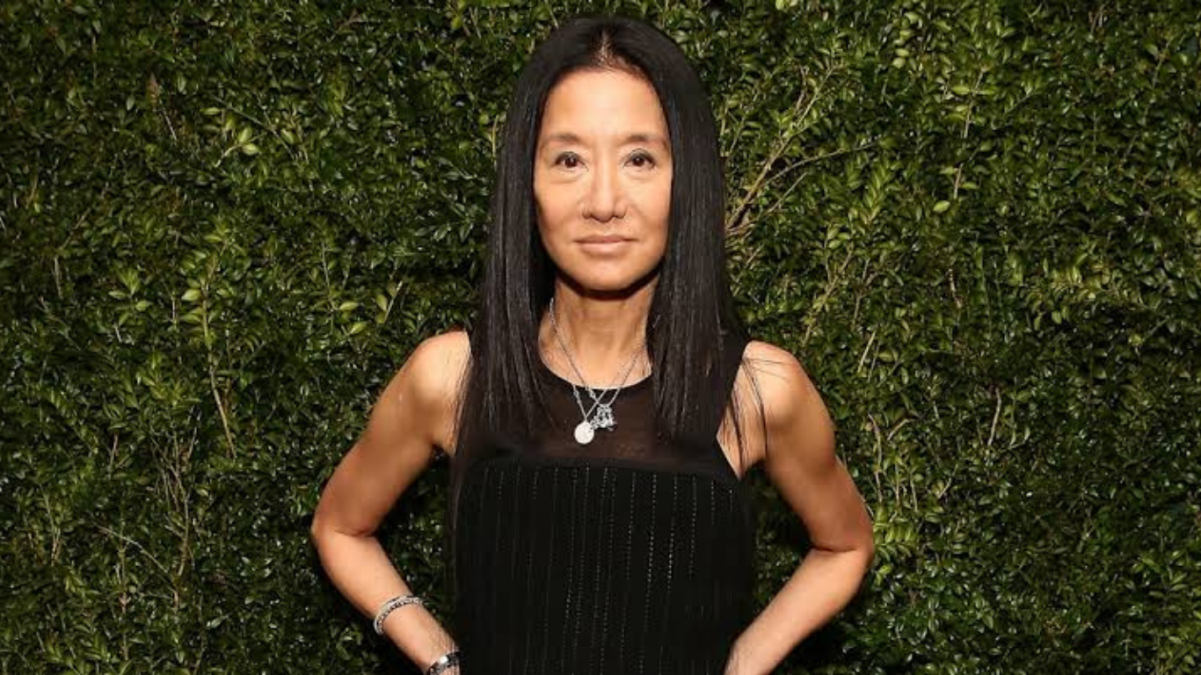
In recent years, her red-carpet appearances and personal style at events have drawn widespread praise for defying conventional expectations about age and fashion. Fans often respond with appreciation for her confidence and continued creativity well into her seventies. Coverage tends to focus on her authenticity rather than pure celebrity spectacle, reinforcing respect for her craft and longevity.
The Emotional and Human Angle of Vera Wang’s Story
Behind the glamorous gowns lies a deeply human narrative of reinvention. Vera Wang has openly shared the heartbreak of missing the Olympic team and the frustration of searching for a wedding dress that felt modern and sophisticated. Instead of accepting limited options, she designed her own—and then built an entire business around that need.
Her path also includes personal challenges: building a family through adoption later in life, navigating a long marriage that eventually ended, and continuing to create while the industry around her changed dramatically. What stands out is her refusal to treat setbacks as permanent endings. The story of Vera Wang reminds readers that creative purpose can emerge from disappointment and that starting later does not diminish the impact of one’s work.

Why People Search for Vera Wang
Searches for Vera Wang often stem from practical interest in bridal fashion, celebrity wedding dresses, or her latest collections. Many also seek her biography because her late-career success offers hope and perspective. Others look for insights into her design philosophy, family background, or how she maintains relevance across decades. The combination of fashion authority, immigrant family roots, and personal resilience makes her a frequent subject of curiosity for both style enthusiasts and those drawn to meaningful life stories.
FAQ: People Also Ask About Vera Wang
Who is Vera Wang and what is she famous for?
Vera Wang is an American fashion designer best known for elevating bridal wear with modern, elegant designs. She also creates ready-to-wear, accessories, and lifestyle products.
When and where was Vera Wang born?
She was born on June 27, 1949, in New York City to Chinese immigrant parents.
Does Vera Wang have children?
Yes. She and her former husband Arthur Becker adopted two daughters, Cecilia and Josephine.
Why did Vera Wang start designing wedding dresses?
Frustrated by the limited sophisticated options available when planning her own 1989 wedding, she designed her gown and opened a bridal salon the following year.
Is Vera Wang still active in fashion?
Yes. She continues to lead her brand, appear at major events, and influence both bridal and broader fashion conversations.
Conclusion
The story of Vera Wang is ultimately one of quiet persistence and creative courage. From a childhood steeped in culture and ambition, through the sting of athletic disappointment, to the unexpected founding of a bridal empire in her forties, she has shaped how countless people experience one of life’s most emotional milestones. Her designs offer more than beauty—they carry the weight of lived experience and the belief that elegance can be both personal and enduring. In a world that often prizes early success, Vera Wang’s journey continues to affirm that meaningful work can unfold on its own timeline, leaving a lasting mark of grace and authenticity.