Food
Tonnarelli Cacio e Pepe: Rome’s Timeless Pasta Classic

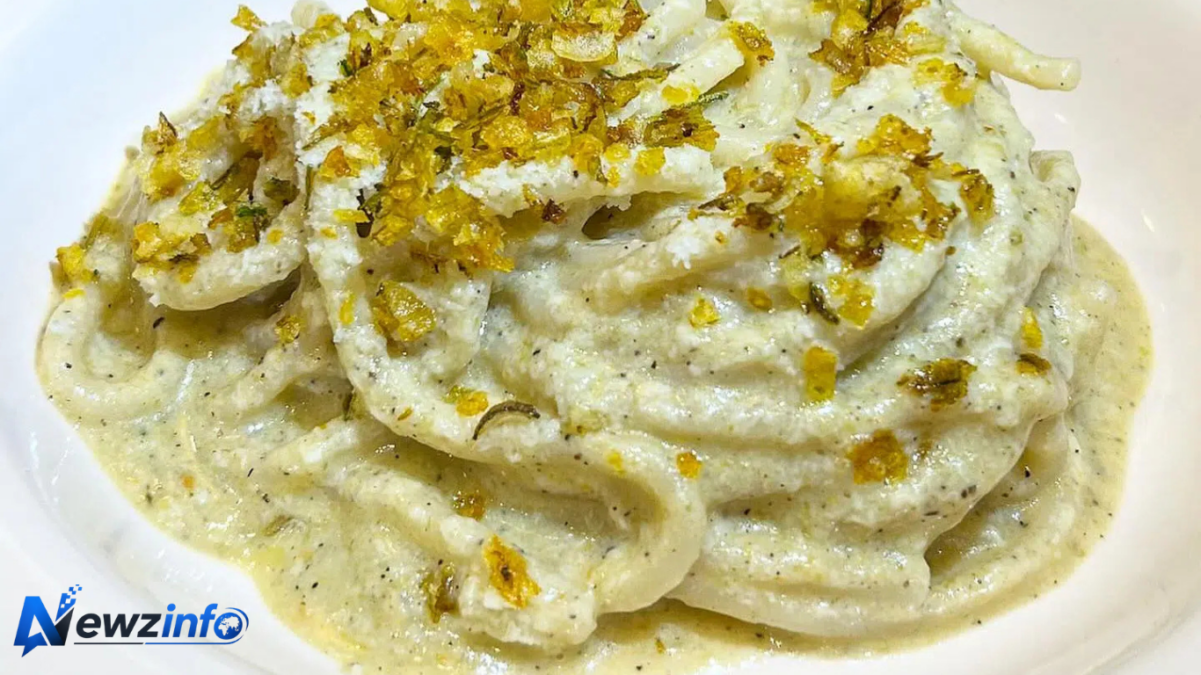
Few dishes capture the soul of Roman cooking quite like tonnarelli cacio e pepe. With its thick, square noodles coated in a silky emulsion of sharp Pecorino Romano and fragrant black pepper, it delivers maximum flavour from the fewest ingredients. In trattorias across the Eternal City and kitchens far beyond, this pasta continues to draw diners who appreciate honest, unfussy food done properly.
Interest in tonnarelli cacio e pepe has only grown. Once a local staple of Lazio, it has become an international favourite, celebrated for its elegant simplicity and the quiet skill required to get the sauce right. Readers remain drawn to it because it rewards attention without demanding elaborate technique or rare components. It is comfort food elevated by restraint.
Origins and Background
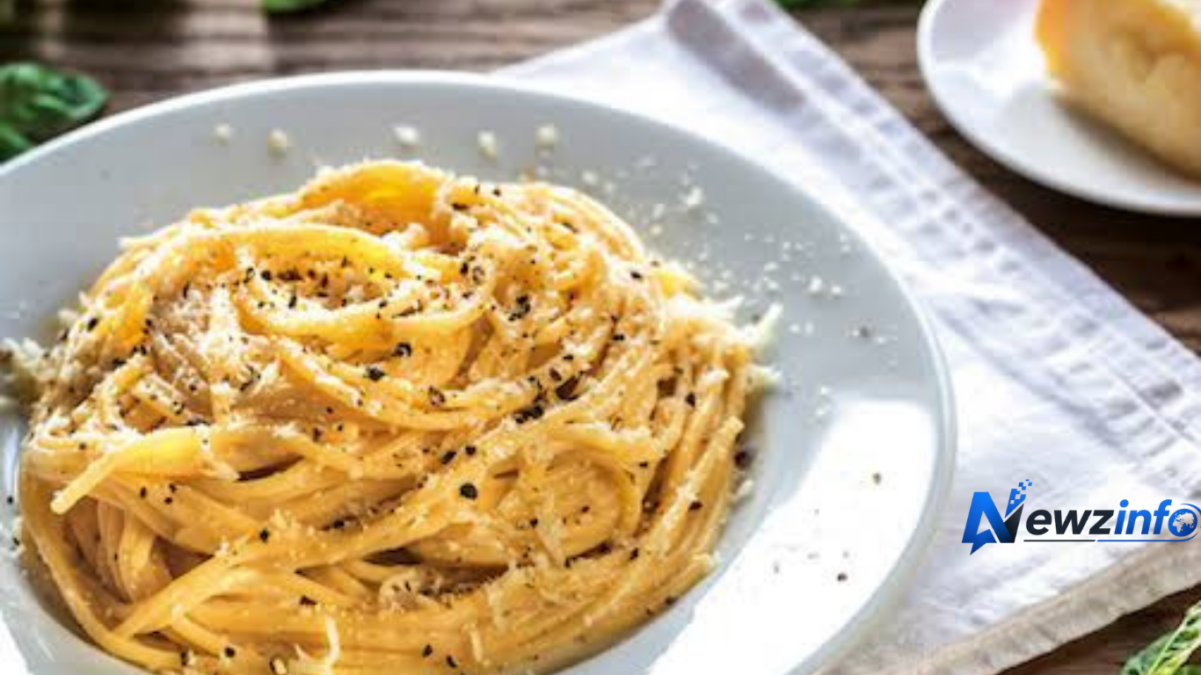
Cacio e pepe translates simply as “cheese and pepper” in the central Italian dialects of Lazio. The dish belongs firmly to the Roman culinary tradition and is typically prepared with tonnarelli or spaghetti. Tonnarelli are long, square-section egg noodles, thicker than standard spaghetti, with a satisfying chew that holds the sauce well. They are sometimes called spaghetti alla chitarra when cut on a special stringed tool resembling a guitar.
The most common origin story links the dish to shepherds in the pastoral areas of Lazio, Abruzzo, Tuscany and Umbria. These herders carried durable foods that travelled easily: dried pasta or flour, aged sheep’s-milk cheese and black pepper. At the end of a day on the move they could boil water, combine the ingredients and create a sustaining meal. Pecorino Romano itself has ancient roots; Roman soldiers carried versions of the cheese for its protein and salt content. Black pepper, once a costly import along imperial trade routes, was added later according to many food historians, as it would not have been everyday fare for rural shepherds.
Written references appear in nineteenth-century Roman cookbooks. By the early twentieth century the dish was established among workers and in neighbourhoods such as Testaccio. Its popularity in Roman osterias grew further in the mid-twentieth century. Some accounts suggest restaurants served particularly peppery versions to encourage wine sales. Whatever the precise timeline, tonnarelli cacio e pepe settled into the classic Roman pasta trio alongside carbonara and amatriciana.

The Rise of a Roman Icon
Tonnarelli cacio e pepe owes its lasting place to the quality of its core ingredients and the care taken in combining them. Authentic versions rely on three elements plus the starchy cooking water: good tonnarelli (fresh or high-quality dried), finely grated Pecorino Romano DOP and freshly cracked black pepper. Some cooks add a little Parmigiano Reggiano or Grana Padano to soften the pecorino’s sharp edge, though purists often prefer pure Pecorino.
The method is straightforward yet exacting. Pasta is boiled in lightly salted water—less salt than usual because the cheese is already savoury. Meanwhile, peppercorns are toasted briefly in a dry pan to release their aroma, then crushed. A portion of the hot pasta water is used to create a creamy emulsion with the grated cheese, either in a bowl or directly in the pan off the heat. The drained tonnarelli are tossed vigorously with the pepper and cheese mixture so the starch helps bind everything into a glossy coating that clings without becoming greasy or lumpy.
Restaurants in Rome, from traditional osterie in Trastevere to more refined spots near the Colosseum, keep the dish on the menu as a point of pride. Outside Italy it has appeared on menus from London to New York and beyond, often prompting debates about authenticity. The dish’s reputation rests on its honesty: no cream, no unnecessary fats in the strictest versions, just technique that transforms humble ingredients into something memorable.
Challenges in the Kitchen
Despite its short ingredient list, tonnarelli cacio e pepe is famously easy to get wrong. The main difficulty is temperature and emulsification. Pecorino Romano can seize and form unappetising clumps if the water is too hot or the cheese is added too quickly. Success depends on using pasta water that is hot but not boiling, adding it gradually, and stirring or tossing constantly. Freshly grated cheese from a block is essential; pre-grated versions often contain anti-caking agents that hinder melting.
Another common pitfall is over-salting the cooking water or using too much pepper, which can overwhelm the cheese. Fresh tonnarelli cook quickly—often in two to four minutes—so timing must be precise. Dried tonnarelli or spaghetti alla chitarra require longer boiling but still benefit from being finished in the pan with reserved water. Home cooks who master the emulsion often find the dish becomes a reliable favourite; those who struggle may turn to modern adaptations that include a little butter or oil for insurance, though these depart from the most traditional Roman approach.
Everyday Enjoyment and Variations
Public information about the dish centres on the food itself rather than personal stories. Confirmed practice shows it is served as a primo, or first course, in Italian meals, ideally eaten at once while the sauce remains creamy. Pairings are simple: a crisp green salad or a glass of local white wine. In Rome it appears on tables ranging from family trattorie to more formal settings.
Variations exist. Some cooks toast a blend of peppercorns for greater complexity. Others incorporate a small amount of butter or olive oil to help the sauce form. Fresh homemade tonnarelli, made with flour, semolina and eggs, appear in many Italian recipes, while high-quality dried pasta is accepted for convenience. Outside Italy the dish is sometimes adapted with different long pastas or cheese mixes, yet the core combination of pecorino and pepper remains the defining feature.
Later Chapters and Modern Appeal
In recent decades tonnarelli cacio e pepe has travelled widely. Food writers, chefs and home cooks have shared techniques through books, websites and social media, keeping interest high. Scientific curiosity even entered the picture when researchers examined the physics of the emulsion, an inquiry that later received an Ig Nobel Prize for its playful contribution to understanding cheese proteins and starch. Restaurants continue to feature the dish, sometimes elevating it with premium pepper or house-made pasta, yet the best versions still honour the original simplicity.
The dish also appears in cookery classes and Roman food tours, where visitors learn the mantecare technique—the vigorous tossing that brings the sauce together. Its presence on menus around the world reflects a broader appreciation for regional Italian cooking that values quality ingredients and careful method over complexity.
Quick Facts
| Detail | Information |
| Full Name | Tonnarelli cacio e pepe |
| Origin | Lazio region, Italy (especially Rome) |
| Main Ingredients | Tonnarelli or spaghetti, Pecorino Romano, black pepper, pasta water |
| Typical Course | Primo (first course) |
| Key Characteristic | Creamy emulsion without cream or (traditionally) butter |
| Traditional Pasta | Tonnarelli (square egg noodles) |
| Known For | Simplicity, bold flavour, Roman identity |
| Preparation Focus | Emulsification technique |
Legacy and Lasting Impact
Tonnarelli cacio e pepe endures because it demonstrates how little is needed for great cooking when the ingredients are excellent and the method is respected. It has influenced countless pasta preparations that rely on starchy water and cheese for sauce rather than heavy creams. Public perception remains positive: the dish is regarded as both everyday comfort and a benchmark of Roman authenticity.
Conclusion
Its lesson is one of restraint and attention. A handful of components, handled with care, can produce something greater than the sum of their parts. In an era of elaborate plating and long ingredient lists, tonnarelli cacio e pepe stands as a reminder that clarity of flavour still matters.