Food
The Timeless Appeal of the French 75 Drink: A Sparkling Icon of Cocktail History

The French 75 drink stands as one of the most elegant and enduring cocktails in the world. With its perfect balance of gin’s botanicals, bright lemon acidity, subtle sweetness, and the lively effervescence of Champagne, it delivers sophistication in every sip. Named after a powerful piece of World War I artillery, this cocktail belies its martial origins with a refined, celebratory character that has captivated drinkers for over a century.
Whether enjoyed in a chic bar, at a wedding reception, or during a quiet evening at home, the French 75 drink continues to evoke the glamour of the Jazz Age while remaining refreshingly modern. Its enduring popularity speaks to a simple truth: some combinations are timeless. In this feature, we explore the rich history, classic recipe, variations, and cultural significance of this sparkling favourite.
The Origins of the French 75 Drink
The story of the French 75 drink is intertwined with the turbulence of the early 20th century. It takes its name from the French 75-millimetre field gun, a highly mobile and rapid-firing artillery piece that played a crucial role for French forces during the First World War. The gun’s reputation for delivering a powerful “punch” inspired the cocktail’s name, though the drink itself evolved into something far more refined than its explosive namesake.
Early versions of the cocktail appeared in the 191The Timeless Appeal of the French 75 Drink: A Sparkling Icon of Cocktail History
The French 75 drink stands as one of the most elegant and enduring cocktails in the world. With its perfect balance of gin’s botanicals, bright lemon acidity, subtle sweetness, and the lively effervescence of Champagne, it delivers sophistication in every sip. Named after a powerful piece of World War I artillery, this cocktail belies its martial origins with a refined, celebratory character that has captivated drinkers for over a century.
Whether enjoyed in a chic bar, at a wedding reception, or during a quiet evening at home, the French 75 drink continues to evoke the glamour of the Jazz Age while remaining refreshingly modern. Its enduring popularity speaks to a simple truth: some combinations are timeless. In this feature, we explore the rich history, classic recipe, variations, and cultural significance of this sparkling favourite.
The Origins of the French 75 Drink
The story of the French 75 drink is intertwined with the turbulence of the early 20th century. It takes its name from the French 75-millimetre field gun, a highly mobile and rapid-firing artillery piece that played a crucial role for French forces during the First World War. The gun’s reputation for delivering a powerful “punch” inspired the cocktail’s name, though the drink itself evolved into something far more refined than its explosive namesake.
Early versions of the cocktail appeared in the 1910s and 1920s, with recipes varying significantly. One early iteration, documented in Harry MacElhone’s ABC of Mixing Cocktails (1922), featured Calvados (apple brandy), gin, grenadine, and absinthe – a far stronger and quite different concoction credited to a bartender at Buck’s Club in London. Over time, the recipe transformed into the lighter, more accessible version we recognise today: gin, fresh lemon juice, sugar or simple syrup, and Champagne.
By the 1930s, the French 75 drink had found its classic form. Harry Craddock’s influential Savoy Cocktail Book (1930) helped popularise it, presenting a recipe that swapped club soda for Champagne in what was essentially a Tom Collins. This evolution coincided with the Prohibition era in the United States, where the drink gained traction as an appealing way to enjoy sparkling wine with a spirit kick.

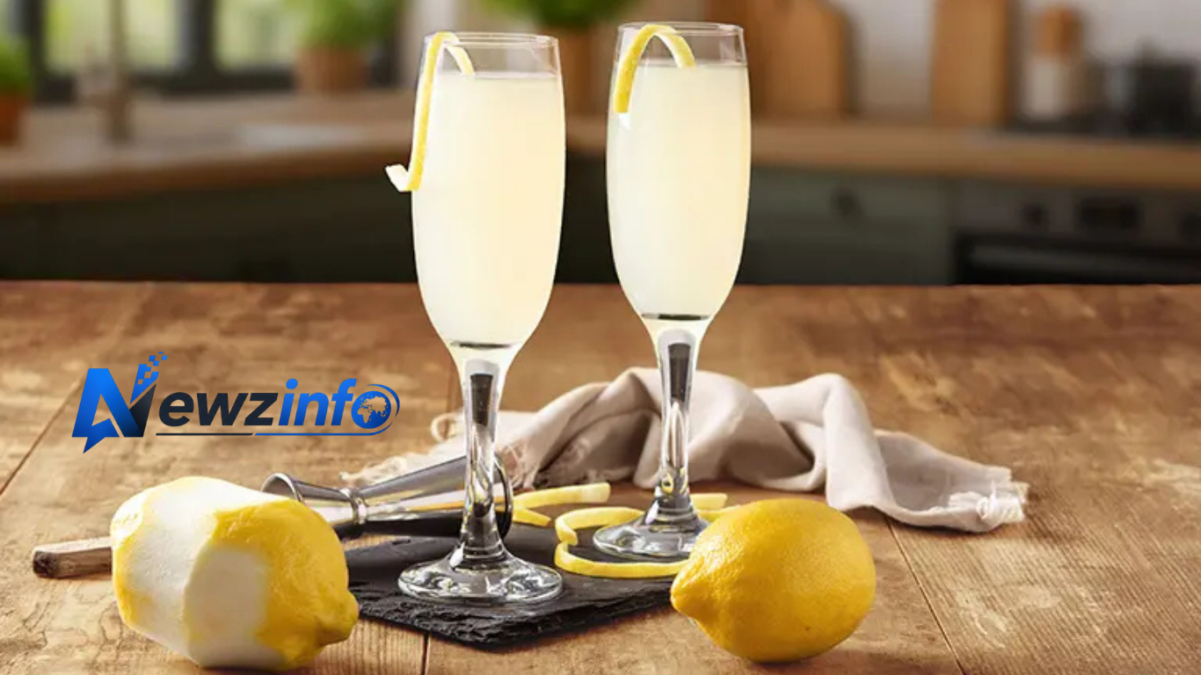
How to Make the Perfect French 75 Drink
Crafting an excellent French 75 drink is straightforward yet demands quality ingredients for the best results. The classic recipe strikes a harmonious balance between strength, acidity, sweetness, and bubbles.
Classic French 75 Recipe (serves one):
- 30 ml (1 oz) London dry gin
- 15 ml (½ oz) fresh lemon juice
- 15 ml (½ oz) simple syrup (or to taste)
- 60–90 ml (2–3 oz) chilled Champagne or sparkling wine
- Lemon twist, for garnish
- Ice
Method: Add the gin, lemon juice, and simple syrup to a cocktail shaker filled with ice. Shake vigorously until well-chilled. Strain into a chilled Champagne flute. Top gently with Champagne and stir briefly. Garnish with a lemon twist.
The choice of gin matters – a London dry style with prominent juniper notes works beautifully against the citrus and bubbles. For the sparkling component, a brut Champagne is traditional, though high-quality Prosecco or Cava can provide excellent alternatives for a more budget-friendly version. Fresh lemon juice is non-negotiable; it provides the bright lift that defines the drink.
Variations and Modern Twists on the French 75 Drink
While the classic remains a benchmark, bartenders and home mixologists have created numerous variations on the French 75 drink. Some substitute Cognac for gin, creating a richer, brandy-forward profile sometimes called a French 75 with Cognac. Others incorporate seasonal fruits or flavoured syrups.
Popular modern adaptations include:
- Raspberry or Cranberry French 75: Muddled berries or flavoured liqueurs add fruity depth.
- Elderflower French 75: A splash of elderflower liqueur introduces floral notes.
- Mezcal French 75: Smoky mezcal replaces gin for a contemporary, earthy twist.
These variations demonstrate the versatility of the French 75 drink, allowing it to adapt to different occasions and palates while retaining its core elegance.
The French 75 Drink in Culture and Society
The French 75 drink has long been associated with glamour and celebration. It featured prominently in high-society venues like New York’s Stork Club and London’s Savoy Hotel. Its effervescent nature made it a natural fit for toasts, parties, and special occasions throughout the 20th century.
In literature and film, the cocktail occasionally appears as a symbol of sophistication. Its presence in cocktail books and bar menus worldwide underscores its status as a classic. Today, it remains a staple on cocktail lists in reputable establishments, from intimate speakeasy-style bars to upscale hotels.
Personal Challenges? The Cocktail’s Own Evolution
Unlike a human subject, the French 75 drink has faced “challenges” in the form of shifting tastes and ingredient availability. During Prohibition, accessing quality Champagne or gin posed difficulties, yet resourceful bartenders adapted. The drink’s transition from heavier early recipes to the lighter modern version represents a form of resilience and refinement in response to changing preferences.
Its survival and popularity through economic depressions, wars, and evolving drinking trends highlight its well-balanced appeal.
The Enduring Legacy of the French 75 Drink
The French 75 drink’s lasting impact lies in its simplicity and sophistication. It exemplifies how a few quality ingredients, thoughtfully combined, can create something greater than the sum of its parts. The cocktail has influenced countless other Champagne-based drinks and remains a gateway for many into the world of classic cocktails.
Its influence extends to home entertaining, where it offers an accessible yet impressive option for hosts. In an era of increasingly complex mixology, the French 75 drink reminds us that elegance often comes from restraint.
Quick Facts
| Detail | Information |
| Full Name | French 75 (also known as 75 Cocktail or Soixante-Quinze) |
| Date of “Birth” | Early 1920s (modern form popularised in 1930) |
| Place of Origin | Evolved in Europe, with strong ties to Paris and London |
| “Nationality” | French-inspired, international appeal |
| Profession | Classic cocktail |
| Years Active | 1920s–present |
| Known For | Elegant gin and Champagne combination, celebratory character |
| Estimated “Net Worth” | Timeless cultural icon (priceless in cocktail history) |
Why the French 75 Drink Continues to Captivate
The French 75 drink endures because it perfectly captures a mood: festive yet refined, strong yet approachable. It bridges the gap between casual sipping and special occasion toasting, making it as relevant today as it was nearly a century ago.
Conclusion
Its story reflects broader cultural shifts – from the ingenuity of wartime and Prohibition-era bartenders to the global appreciation of balanced, high-quality drinks. In a world of fleeting trends, the French 75 stands as a reliable classic that rewards those who appreciate the finer details of flavour and presentation.