Food
The Sweet Allure of Vanilla Vodka: From Classic Spirit to Cocktail Favourite

Vanilla vodka has carved out a distinctive place in the world of spirits, offering a smooth, aromatic twist on the neutral base of traditional vodka. Its creamy, sweet notes have made it a staple behind bars and in home collections alike, appealing to those who enjoy balanced, approachable flavours without overwhelming complexity.
Whether sipped straight, mixed into classic cocktails, or used as a base for creative concoctions, vanilla vodka delivers warmth and versatility. Its popularity continues to grow as drinkers seek flavoured options that elevate everyday serves into something special.
The Origins and Background of Vanilla Vodka
Vanilla vodka emerged as flavoured spirits gained traction in the late 20th and early 21st centuries. While vodka itself traces its roots to Eastern Europe and Russia, with production dating back centuries, the addition of natural vanilla flavouring represents a modern innovation aimed at broadening appeal.
Many leading brands, such as Absolut Vanilia, source high-quality vanilla beans—often from Madagascar or other tropical regions known for their rich, bourbon-like vanilla profiles. The base spirit is typically distilled from grains like winter wheat, then infused or flavoured with natural extracts to achieve that signature creamy character, sometimes accompanied by subtle hints of caramel, toffee, or dark chocolate.

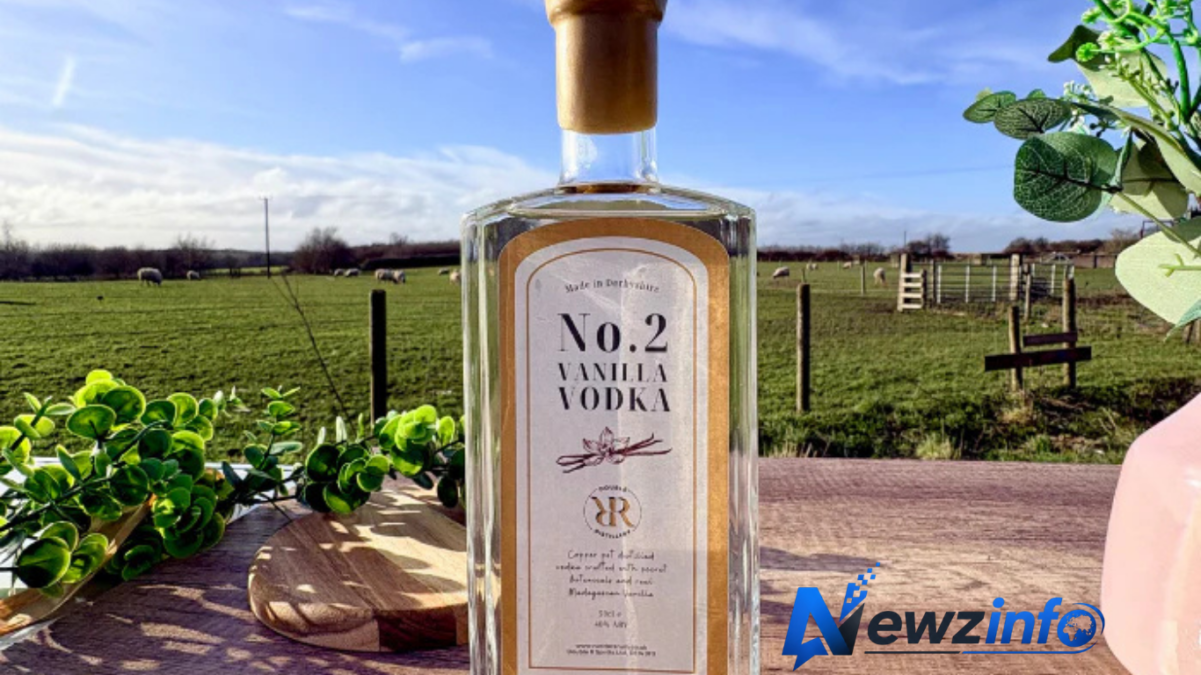
Production often occurs in established vodka heartlands, including Sweden for Absolut, with an emphasis on purity and natural ingredients. Unlike heavily sweetened liqueurs, quality vanilla vodka aims for balance, making it suitable for a wide range of mixing applications.
Rise in Popularity and Cultural Impact
Vanilla vodka’s breakthrough came as the flavoured spirits category expanded in the 2000s and 2010s. Brands introduced accessible, dessert-like profiles that attracted new demographics, particularly those who found straight vodka too harsh. Its creamy texture and aromatic sweetness made it ideal for both sweet and balanced cocktails.
Milestones include the success of flagship products like Absolut Vanilia, which highlighted natural vanilla, and the proliferation of options from other producers offering zero-sugar or organic variants. It became a go-to for popular drinks such as the Pornstar Martini, where its flavour pairs beautifully with passion fruit and champagne.
Public perception shifted from novelty to essential bar stock. Bartenders appreciated its versatility, while consumers enjoyed its crowd-pleasing nature at parties and home gatherings. Collaborations and limited editions, such as artist-inspired releases, further boosted visibility.
Challenges in the Flavoured Spirits Market
Like many flavoured spirits, vanilla vodka has faced scrutiny over quality variations. Some early commercial versions relied on artificial flavourings or excessive sweetness, leading to perceptions of artificial taste. Premium producers responded by emphasising natural ingredients and cleaner profiles.
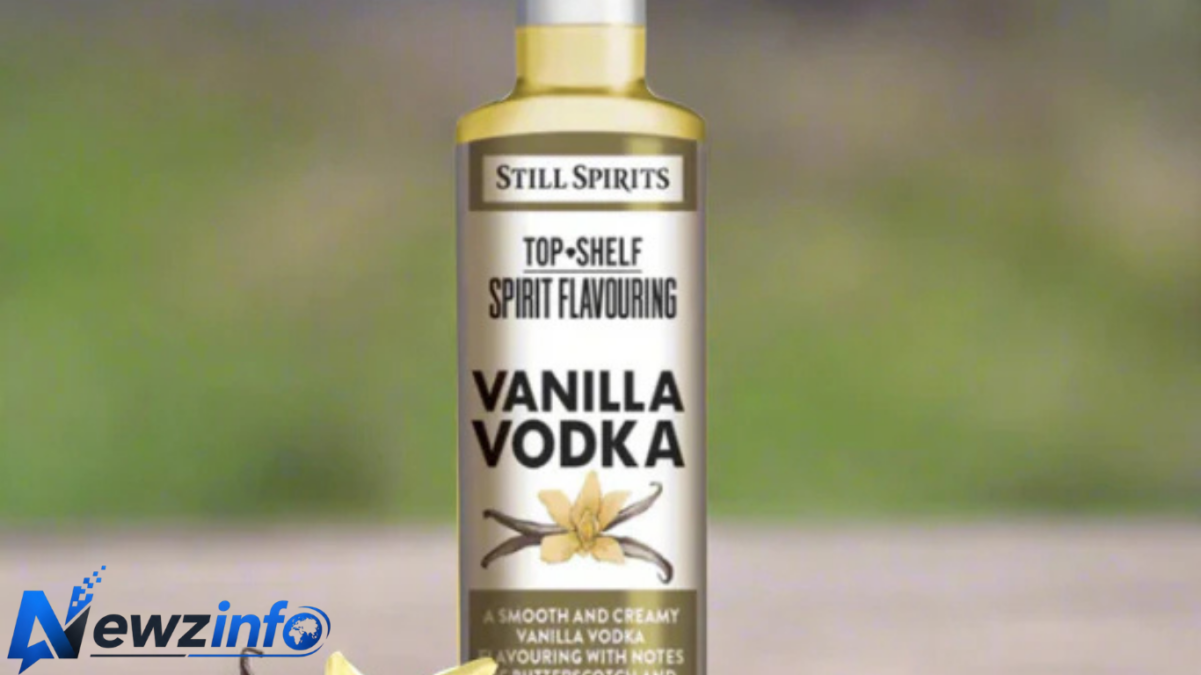
Market competition is fierce, with countless brands vying for shelf space. Economic factors and shifting consumer preferences towards lower-sugar or craft options have pushed innovation, including homemade infusions using real vanilla beans and high-quality neutral vodka.
Resilience comes from adaptability. The spirit has evolved to meet demands for gluten-free, organic, and small-batch offerings, maintaining relevance in a discerning market.
Vanilla Vodka in Everyday Life and Mixology
While not tied to specific personal stories in the human sense, vanilla vodka features prominently in social settings—from relaxed evenings to celebrations. Its approachable profile makes it suitable for novices and enthusiasts alike. Public statements from brands often highlight its role in creative mixology and responsible enjoyment.
It pairs well with a variety of lifestyles, whether in sophisticated martini variations or simple highballs. Many appreciate its ability to transform basic mixers like cola, soda, or coffee into indulgent treats.
Recent Developments and Innovations
Today, vanilla vodka continues to feature in new cocktail trends, such as espresso martini twists and seasonal drinks. Brands invest in sustainability, ethical sourcing of vanilla, and unique collaborations. Limited editions and craft distillers experiment with different vanilla varieties for nuanced flavour layers.
Charity and conservation tie-ins appear in some releases, linking the spirit to broader causes like ocean preservation. Public appearances at spirits festivals and tasting events keep it visible.
Quick Facts on Vanilla Vodka
| Detail | Information |
| Full Name | Vanilla Flavoured Vodka |
| “Birth” (Category Emergence) | Late 20th/early 21st century |
| Place of Origin | Global (notable production in Sweden, USA, etc.) |
| “Nationality” | Flavoured Spirit |
| Profession | Versatile Cocktail Base |
| Years Active | 2000s–present |
| Known For | Creamy vanilla notes, Pornstar Martini, easy mixing |
| Estimated Market Appeal | Wide accessibility and dessert-like versatility |
Conclusion
Vanilla vodka’s importance lies in democratising spirits enjoyment. It has influenced mixology by encouraging experimentation and broadening vodka’s appeal beyond its traditional image. Its influence extends to home bartending culture, where simple infusions empower creativity.
Public perception remains positive for quality examples—seen as fun yet sophisticated. Lessons from its trajectory include the value of balance in flavour innovation and responsiveness to consumer trends.