Food
The Irresistible World of Japanese Snacks

Japanese snacks, or okashi, have captured the imagination of food lovers worldwide with their inventive flavours, meticulous craftsmanship, and delightful textures. From the crisp bite of a chocolate-dipped biscuit stick to the chewy satisfaction of mochi, these treats offer far more than mere indulgence—they reflect Japan’s unique blend of tradition, innovation, and seasonal sensibility.
What keeps enthusiasts returning to Japanese snacks is their remarkable variety and cultural resonance. Convenience stores (konbini) stock fresh innovations daily, while regional specialties and limited editions create a sense of discovery. Whether enjoyed as a quick pick-me-up or shared as omiyage souvenirs, Japanese snacks embody thoughtful design and playful experimentation that feels both familiar and refreshingly new.
Early Origins and Traditional Foundations
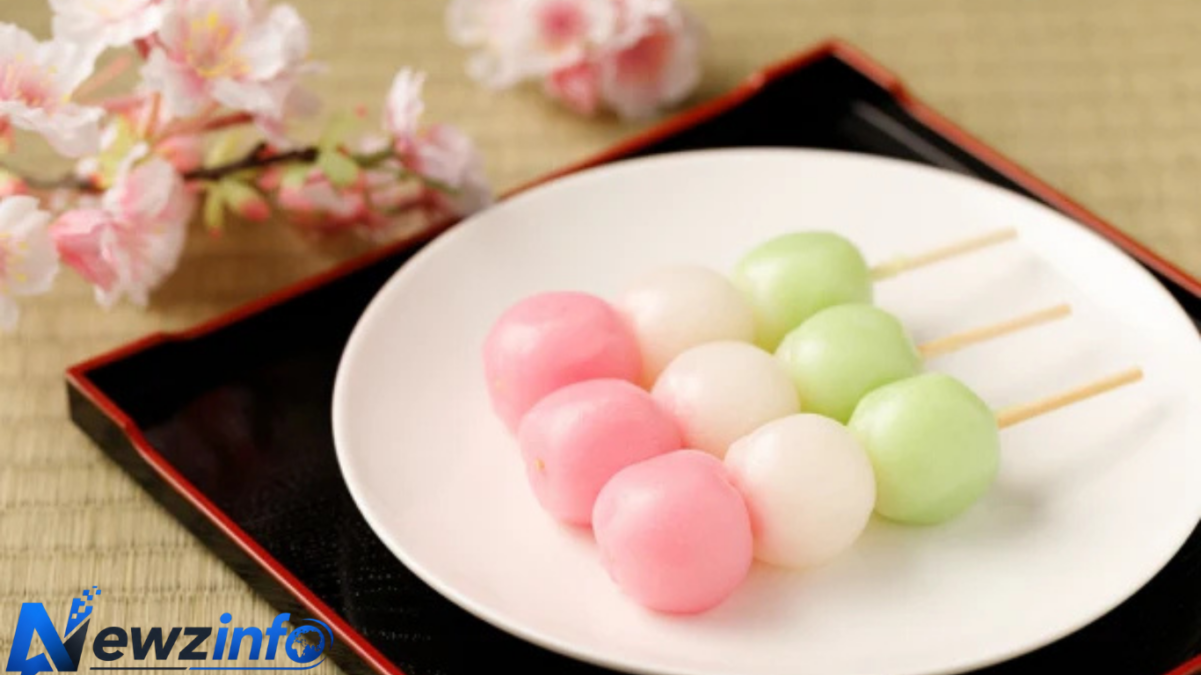
The story of Japanese snacks stretches back centuries, rooted in simple, accessible pleasures. Traditional wagashi—sweets often paired with tea—emerged alongside the tea ceremony during the Edo period (1603–1868). Ingredients like glutinous rice, red bean paste (anko), and seasonal elements formed the basis of items such as mochi, dorayaki, and yokan.
Dagashi, affordable confections made from grains and malt syrup, became popular among everyday people and children. These low-cost treats, sometimes including small prizes, fostered a culture of fun and accessibility that persists today. Sweet potatoes (yaki-imo) and rice-based snacks like senbei (rice crackers) also have deep historical roots, serving as nourishing, portable foods.
Western influences arrived in the late 19th and early 20th centuries, blending with local tastes. This fusion laid the groundwork for modern snacks, as Japan adapted imported ideas while maintaining its emphasis on quality and seasonality.

The Post-War Boom and Rise to Global Fame
The mid-20th century marked a golden era for Japanese snacks. Post-war economic growth and rising affluence fuelled innovation in manufacturing and distribution. Companies like Ezaki Glico revolutionised the category with iconic products.
Pocky, launched in 1966, exemplifies this creativity: thin biscuit sticks coated in chocolate with one end left bare as a convenient “handle.” Its success inspired countless flavours, from matcha to strawberry, and even established 11 November as Pocky Day due to the date’s resemblance to the sticks.
Kit Kat arrived in Japan in 1973 and evolved dramatically under Nestlé Japan. The name’s phonetic similarity to “kitto katsu” (“you will surely win”) turned it into a lucky charm for exams and milestones. With hundreds of regional and seasonal flavours—such as yuzu, sake, or wasabi—Kit Kat became a symbol of Japanese snack ingenuity.
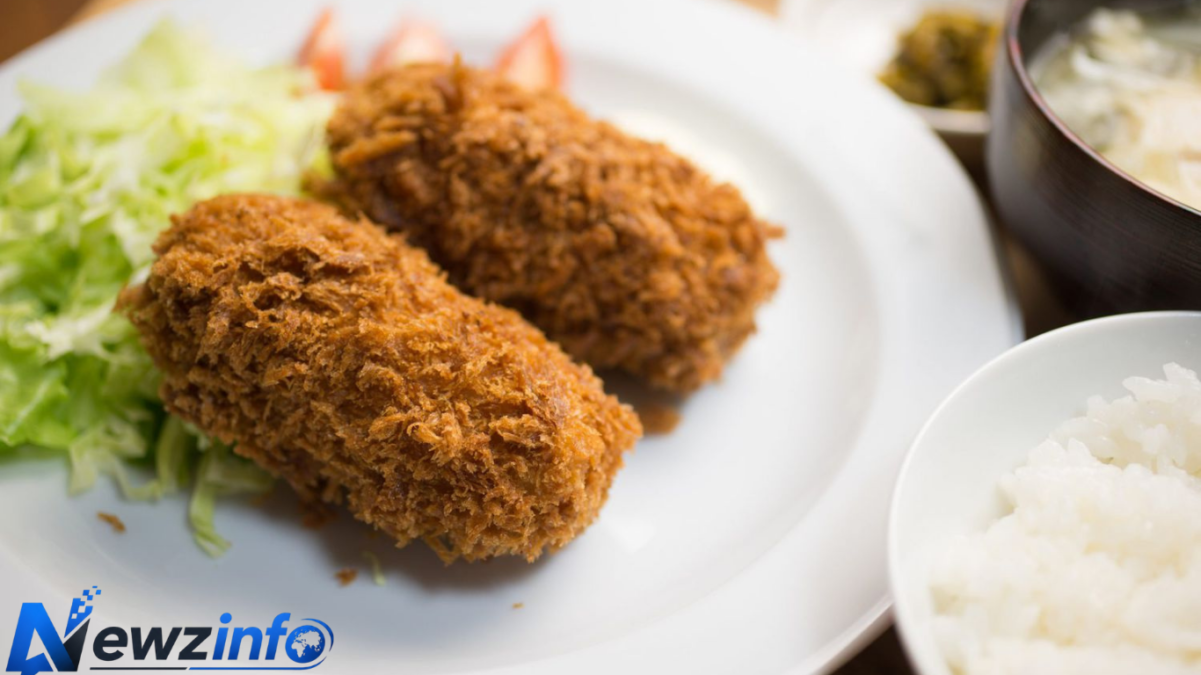
Other standouts include Calbee and Koikeya potato chips, Hi-Chew (a swallowable chewy candy born from cultural etiquette around gum), and savoury favourites like takoyaki or senbei. Convenience stores played a pivotal role, offering fresh, high-quality options around the clock and driving widespread popularity.
Challenges and Adaptations in a Changing Landscape
Like any industry, Japanese snacks have faced hurdles. Health-conscious consumers and an aging population have prompted shifts toward functional or lower-sugar options. Rising ingredient costs, such as cocoa, and competition from global brands require constant innovation.
Environmental concerns around packaging and sustainability also present turning points. Manufacturers respond with creative limited editions, health-focused variants (e.g., konjac-based snacks), and exports that highlight premium Japanese quality. The COVID era boosted at-home snacking and global interest via social media unboxings.
Resilience shines through in the sector’s adaptability—balancing tradition with bold experimentation while preserving the joy and social rituals tied to snacking.
Cultural Significance and Everyday Role
Japanese snacks are deeply woven into daily life and social customs. Omiyage—bringing back regional treats for colleagues and family—drives demand for beautifully packaged, shareable items. This practice underscores values of thoughtfulness and group harmony.
From schoolchildren enjoying dagashi to adults pairing savoury snacks with drinks (otsumami), these treats bridge generations. Konbini culture elevates them further, with onigiri, fresh sandwiches, and seasonal specials providing convenient yet high-quality sustenance.
Public perception remains overwhelmingly positive, with Japanese snacks praised for precision, novelty, and respect for ingredients. They avoid excess, favouring balance and delight.
Recent Trends and Global Reach
Today, Japanese snacks enjoy explosive international popularity. Exports have surged, fuelled by flavour innovation, social media, and subscription boxes introducing items like mochi ice cream, unique Kit Kats, and Pocky variants.
Trends include functional snacks (high-fibre, low-calorie), nostalgic revivals, and fusions blending Japanese and global tastes. Konbini giants continue expanding their influence, while brands experiment with plant-based or regionally inspired offerings. The market remains dynamic, valued in the billions, with new products launching frequently.
Quick Facts on Japanese Snacks
| Detail | Information |
| Origins | Traditional wagashi (centuries old); modern boom post-1960s |
| Key Brands | Glico (Pocky), Nestlé (Kit Kat Japan), Calbee, Meiji |
| Popular Examples | Pocky, Kit Kat (hundreds of flavours), mochi, senbei, Hi-Chew |
| Market Highlights | Over 2,000 varieties; strong global exports |
| Cultural Role | Omiyage gifts, konbini staples, seasonal treats |
| Estimated Impact | Multi-billion yen industry with growing international presence |
Conclusion
Japanese snacks have influenced global confectionery by demonstrating that snacks can be innovative, culturally meaningful, and endlessly varied. Their emphasis on seasonality, quality packaging, and flavour experimentation has raised standards worldwide, inspiring similar approaches elsewhere.
They teach lessons in balance—sweet and savoury, tradition and modernity—and the power of small joys in everyday life. Public affection endures because these treats deliver consistent delight while adapting to contemporary needs.