Food
The Enduring Appeal of Sardines on Toast

Sardines on toast occupies a special place in British kitchens. It is the sort of dish that appears with little fanfare yet leaves a lasting impression – whether as a quick supper after a long day, a thrifty high-tea staple, or a nostalgic reminder of childhood Sunday teas. Simple, affordable and surprisingly versatile, it has quietly endured while food trends have come and gone.
In recent years the combination has enjoyed a quiet revival. Chefs have elevated it with fresh tomatoes, garlic and herbs, while health-conscious cooks praise its impressive nutritional profile. At the same time, tinned fish has moved from the back of the cupboard to the centre of stylish snack boards and social-media feeds. Yet the heart of the dish remains unchanged: good bread, well-seasoned oily fish, and the satisfying crunch of toast.
This article explores the history, cultural place and lasting appeal of sardines on toast, from its roots in Britain’s coastal fisheries to its modern reinventions.
Early Origins and Background
Sardines and pilchards are the same species – Sardina pilchardus. In Britain the larger fish were traditionally called pilchards, while the smaller ones were known as sardines. The name “sardine” itself is thought to derive from the island of Sardinia, though the fish has long been abundant around the British Isles, particularly off the Cornish coast.
From the mid-18th to the late 19th century, Cornwall supported a thriving pilchard industry. Catches were enormous; in peak years tens of thousands of hogsheads were landed and largely exported, especially to Catholic countries in southern Europe where the fish provided an important source of protein during Lent. Locally, the fish featured in traditional dishes such as stargazy pie in Mousehole, where the heads of the fish poke through the pastry crust.
Tinned sardines arrived in Britain in the late 19th and early 20th centuries, transforming the fish into a convenient pantry staple. Victorian dining etiquette even produced specialised sardine forks and boxes for serving the then-novel tinned product at breakfast, high tea or as a savoury. By the inter-war years, sardines on toast had become a classic “savoury” – the salty, sharp course that traditionally followed the sweet at formal dinners.
The Cambridge Apostles, the famous intellectual society, were said to have eaten plain sardines on toast as part of their rituals, the whole fish resembling small beached whales. Whether apocryphal or not, the story captures the dish’s unpretentious character.


Rise to Everyday Fame
Sardines on toast rose to prominence as an affordable, quick meal during the 20th century. Tinned fish required no refrigeration and little preparation, making it ideal for busy households, railway travellers and wartime kitchens. A 1971 British Rail sandwich specification even listed sardines among the permitted fillings, albeit in carefully measured quantities.
In the post-war decades the dish became associated with everyday British cooking – the sort of food served for high tea or a light supper. Thick slices of bread, preferably a sturdy plain loaf or batch bread in Scotland, were toasted, sometimes buttered, and topped with drained sardines from a tin. A squeeze of lemon, a grind of pepper or a little chopped parsley was often all that was needed.
The 1990s brought a marketing revival. Cornish fishermen and suppliers, led by figures such as Nick Howell of The Pilchard Works, successfully rebranded local pilchards as “Cornish sardines.” Marks & Spencer stocked them, recipes were developed, and the fish gained Protected Geographical Indication status in 2010. Fresh grilled sardines began appearing on restaurant menus alongside the familiar tinned version.
Today chefs continue the tradition. Tom Kerridge has offered a refined take with fresh sardines, while others serve them simply with garlic butter on toast. The dish’s reputation remains that of honest, unshowy food rather than haute cuisine.
Challenges and Turning Points
Sardines on toast has not always enjoyed universal affection. After the Second World War, British tastes shifted towards milder, more processed foods. Many people became wary of bones and the strong flavour of oily fish. The proliferation of cheap tinned sardines in tomato sauce sometimes reinforced an image of “struggle food” rather than a delicacy.
The Cornish fishery itself experienced long periods of decline in the late 20th century as markets for traditional salted pilchards shrank. Rebranding and the growth of fresh-fish demand helped reverse that trend, but consumer habits have been slower to change. Surveys still show that a notable proportion of Britons have never tried fresh sardines, even though the fish is abundant in home waters.
More recently, rising interest in sustainable, nutrient-dense foods and the broader tinned-fish trend have helped rehabilitate the dish. Social media has played a part, with younger cooks rediscovering sardines for their protein content, omega-3 fatty acids and affordability. What was once dismissed as old-fashioned has been reframed as practical and modern.
Cultural Place and Everyday Life
Sardines on toast has never been the preserve of any single social group. It has appeared on student tables, in working-class kitchens and on the menus of smart seafood restaurants. For many, it carries personal memories – of Sunday teas, of parents or grandparents opening a tin, or of simple meals eaten alone without fuss.
Public statements about the dish tend to emphasise its practicality rather than romance. It is praised for requiring almost no cooking skill, for keeping well in the cupboard, and for delivering substantial nutrition from humble ingredients. In times of economic pressure it has resurfaced as a reliable, low-cost option.
No reliable public information suggests any particular celebrity has made the dish a defining part of their personal brand, though chefs and food writers regularly return to it as an example of good, straightforward cooking.
Later Developments and Current Appeal
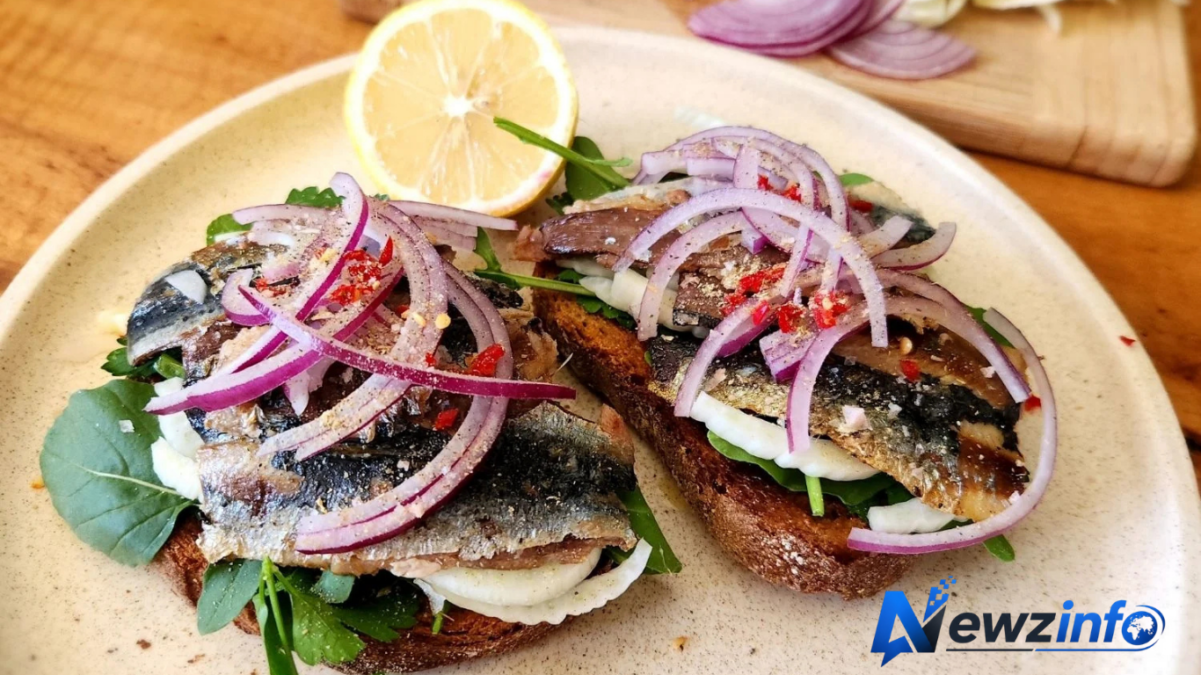
In the 21st century, sardines on toast has been refreshed rather than reinvented. Contemporary versions often start with quality sourdough or wholemeal bread, rubbed with garlic while still warm. The sardines – preferably packed in olive oil – are sometimes mashed lightly with lemon juice, herbs or a little mustard. Toppings range from grated tomato and red onion to avocado, olives, chilli flakes or pickled shallots.
Health-focused cooks highlight the nutritional strengths: a typical serving provides high-quality protein, substantial omega-3 fatty acids (EPA and DHA), vitamin B12, selenium and, when the soft bones are eaten, calcium. Mercury levels remain low because the fish are small and short-lived. The combination of toast and fish also makes the bones less noticeable, a practical advantage long recognised by cooks.
Sustainability arguments have grown stronger. Locally caught Cornish sardines and other British oily fish offer an alternative to more heavily fished species. Campaigns encouraging greater consumption of under-used home-caught fish frequently point to sardines as an accessible starting point.
The wider tinned-fish trend has further boosted visibility. Specialist shops, attractive packaging and social-media “sea-cuterie” boards have made tinned sardines appear stylish as well as sensible. Yet the basic plate of sardines on toast remains reassuringly ordinary.
Quick Facts
| Detail | Information |
| Full Name | Sardines on Toast |
| Origin | British (with Mediterranean and Cornish roots) |
| Key Ingredients | Tinned or fresh sardines, toasted bread |
| Typical Preparation | 5–10 minutes |
| Nutritional Highlights | High protein, omega-3s, vitamin B12, calcium |
| Cultural Status | Classic British savoury and everyday meal |
| Modern Variations | Garlic-rubbed sourdough, herbs, tomato, avocado |
| Seasonality (fresh) | Peak in summer months around British coasts |
Legacy and Lasting Impact
Sardines on toast endures because it solves several problems at once. It is inexpensive, quick, nutritious and adaptable. It connects modern cooks to older traditions of coastal fishing, Victorian savouries and post-war thrift without requiring nostalgia as a prerequisite.
Its influence can be seen in the broader revival of interest in oily fish and tinned seafood. By remaining unpretentious it has avoided the fate of dishes that become too fashionable and then fade. Public perception has shifted from mild embarrassment to quiet respect; many now recognise it as a smart, sustainable choice rather than a culinary afterthought.
The lesson it offers is straightforward: good food does not always need complexity. A well-made piece of toast and a tin of well-chosen sardines can still deliver satisfaction, flavour and nourishment in equal measure.
Conclusion
From Cornish fishing harbours and Victorian dinner tables to contemporary kitchens and social-media feeds, sardines on toast has travelled a long and largely unassuming road. It has survived changes in taste, economics and fashion by remaining true to its essential character – simple, sustaining and open to quiet improvement.