health
Sudden Ankle Pain Without Injury or Swelling: Understanding the Mystery and Finding Relief

Sudden ankle pain without any obvious injury or swelling can be alarming. One moment you’re going about your day, and the next a sharp or nagging discomfort appears in your ankle, seemingly out of nowhere. Many people dismiss it at first, assuming it will pass, but this type of pain often signals an underlying issue that deserves attention.
In the UK, where active lifestyles, walking commutes, and weekend hikes are common, ankle problems affect thousands. While sprains and twists grab the headlines, pain without visible trauma or puffiness is more common than you might think. This article explores the potential causes, when to seek help, and practical ways to manage and prevent it, drawing on insights from reputable medical sources.
What Causes Sudden Ankle Pain Without Injury or Swelling?
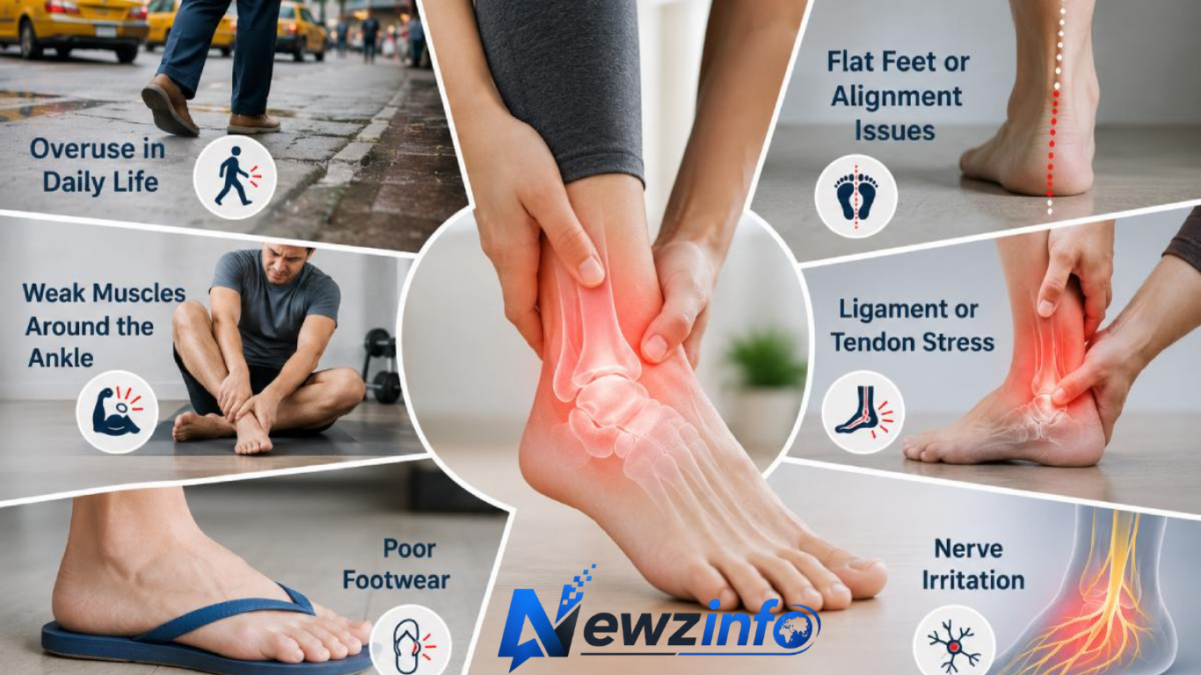
Ankle pain can stem from various sources even when there’s no recent twist, fall, or impact. The ankle is a complex joint involving bones, ligaments, tendons, cartilage, and nerves. Issues in any of these can manifest as pain without the classic signs of injury.

Arthritis and Inflammatory Conditions
Osteoarthritis, the wear-and-tear type, often causes sudden flares, particularly after inactivity. Cartilage breakdown leads to bones rubbing, resulting in stiffness and pain that may feel abrupt in the morning or after sitting. Rheumatoid arthritis, an autoimmune condition, can also target the ankle, causing inflammation that doesn’t always produce obvious swelling early on.
Other autoimmune or inflammatory issues like lupus or reactive arthritis may contribute. Gout, caused by uric acid crystal buildup, typically hits the big toe but can affect the ankle with intense, sudden pain—sometimes without dramatic swelling in milder cases.
Tendinitis and Overuse
Achilles tendinitis is a frequent culprit. Repetitive stress from walking, running, or even unsuitable footwear can inflame the tendon. Pain often builds gradually but can feel sudden, especially at the back of the ankle during movement.
Nerve-Related Issues
Tarsal tunnel syndrome occurs when the tibial nerve is compressed in the ankle, similar to carpal tunnel in the wrist. It can cause burning, tingling, or sharp pain inside the ankle or foot without visible swelling. Symptoms may worsen with prolonged standing or activity and can appear suddenly.
Referred pain from the lower back, hips, or knees—due to sciatica or alignment problems—can also present in the ankle.
Structural and Biomechanical Factors
Flat feet (fallen arches) or high arches alter weight distribution, straining the ankle over time. Tight calf muscles, poor footwear, or sudden increases in activity can trigger discomfort without acute injury.
Less commonly, bursitis (inflammation of fluid-filled sacs) or infections might play a role, though these often involve other symptoms.
Recognising the Symptoms and Red Flags
Sudden ankle pain without injury or swelling might feel like a dull ache, sharp stab, burning sensation, or stiffness. It could worsen with movement, first steps in the morning, or after rest. Accompanying signs like tingling, numbness, or weakness suggest nerve involvement.
See a GP or seek urgent care if pain is severe, persists beyond a couple of weeks, prevents walking, or includes fever, redness, warmth, or systemic symptoms. Those with diabetes or circulatory issues should be especially cautious, as foot problems can escalate quickly.
Diagnosis: What to Expect from a Medical Professional
A doctor will take a history, perform a physical exam, and possibly order imaging like X-rays, ultrasound, or MRI to rule out subtle fractures, arthritis, or nerve compression. Blood tests can check for gout, rheumatoid arthritis, or infection. Early diagnosis prevents chronic issues.
Treatment Options: From Home Care to Professional Help
Initial Self-Care (RICE Method)
- Rest: Avoid aggravating activities.
- Ice: Apply for 15-20 minutes several times a day.
- Compression: Use a bandage for support (not too tight).
- Elevation: Keep the ankle raised when sitting.
Over-the-counter pain relievers like ibuprofen (if suitable) can reduce discomfort. Gentle stretching and supportive footwear help.

Physical Therapy and Exercises
A physiotherapist can recommend strengthening and mobility exercises. Calf stretches, ankle circles, and balance work improve stability and prevent recurrence. Many find relief through targeted routines without medication.
Medical Interventions
For arthritis or tendinitis, corticosteroid injections or prescription anti-inflammatories may be used. Nerve compression might require orthotics, splints, or, rarely, surgery. Gout treatment focuses on uric acid management with medication and diet changes (reducing purine-rich foods like red meat and alcohol).
Lifestyle Adjustments
Maintain a healthy weight, choose supportive shoes, warm up before exercise, and incorporate low-impact activities like swimming or cycling. Orthotic inserts can correct alignment issues.
Prevention: Keeping Your Ankles Strong and Pain-Free
Prevention centres on listening to your body and building resilience. Gradually increase activity levels, replace worn shoes, and address biomechanical problems early. Regular foot and ankle strengthening, good posture, and flexibility routines make a significant difference. For those with chronic conditions, consistent management is key.
Living with Ankle Pain: Real Stories and Insights
Many people experience this and regain full function with the right approach. One common theme is the importance of not ignoring persistent symptoms. Consulting a podiatrist or orthopaedic specialist can provide tailored solutions, from custom insoles to advanced therapies.
Quick Facts on Ankle Health
- Common Triggers: Overuse, arthritis, nerve compression.
- Risk Factors: Age, obesity, previous injuries, certain medical conditions.
- Recovery Outlook: Most cases improve with conservative care; early intervention is best.
Conclusion
Sudden ankle pain without injury or swelling often stems from manageable causes like arthritis, tendinitis, or nerve issues rather than dramatic trauma. By understanding the reasons and acting promptly, most people can find effective relief and return to their usual activities.