Food
Steelhead Trout vs Salmon Nutrition: Which Fish Wins for Your Health?

When it comes to choosing oily fish for a healthy diet, the debate around steelhead trout vs salmon nutrition often arises. Both belong to the same family and deliver impressive amounts of protein, omega-3 fatty acids and key vitamins, yet they differ in fat content, calorie density and certain micronutrients. Understanding these differences helps you pick the option that best suits your goals, whether that is managing calories, maximising omega-3 intake or simply enjoying a milder flavour on the plate.
Steelhead trout and salmon share more similarities than many people realise. Steelhead are anadromous rainbow trout that migrate to the sea, much like salmon. This shared lifestyle contributes to their comparable nutritional profiles. Still, subtle distinctions matter for everyday eating. Salmon tends to be richer and higher in total fat, while steelhead is generally leaner and slightly lower in calories. Both remain excellent choices for heart and brain health when eaten as part of a balanced diet.
Understanding the Fish Behind the Nutrition
Salmon species (Atlantic, sockeye, Chinook and others) and steelhead trout (Oncorhynchus mykiss that spend time in salt water) both thrive on marine diets rich in crustaceans and smaller fish. This diet supplies the pink-orange colour and the valuable long-chain omega-3s EPA and DHA. Farmed and wild versions exist for both, and farming practices influence fat levels and nutrient density. In the UK, Scottish farmed salmon is widely available and often praised for consistent quality and high omega-3 content, while steelhead appears more frequently as a more affordable alternative in some markets.
Neither fish is inherently “better.” The choice depends on whether you prefer a leaner protein source or one that delivers more fat-soluble nutrients and a buttery mouthfeel.

Macronutrient Comparison: Calories, Protein and Fat
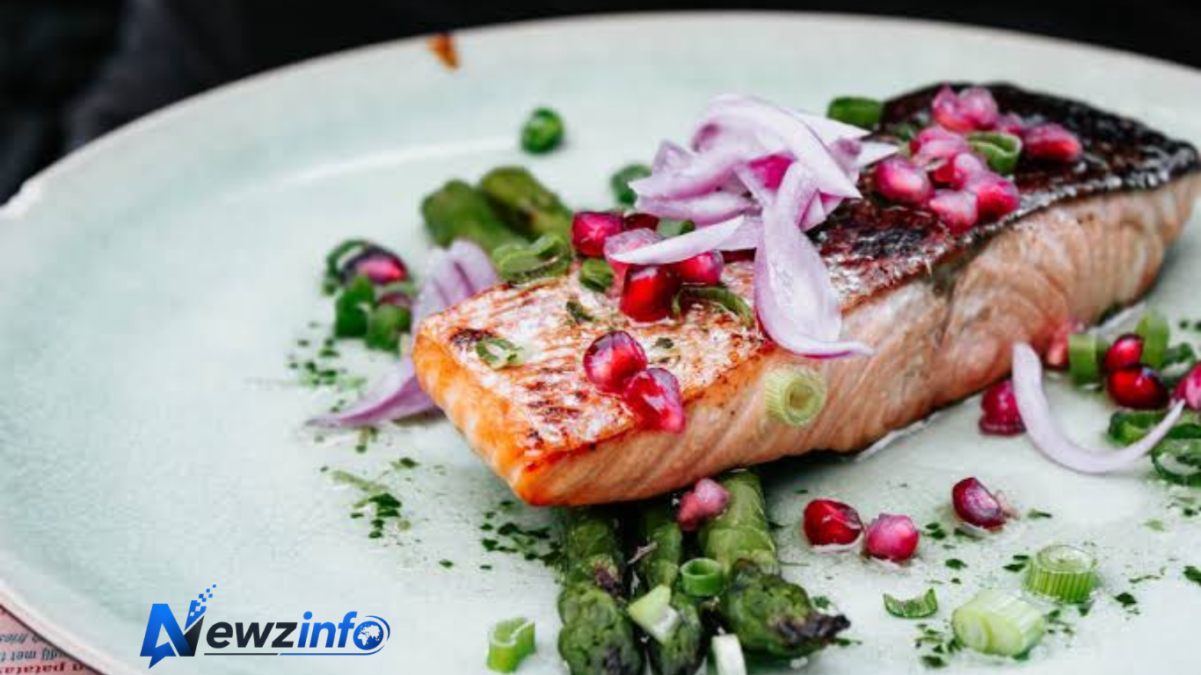
A typical 100 g serving of cooked or prepared steelhead trout provides roughly 150–160 kcal, about 21 g of protein and 8 g of fat. Salmon, particularly farmed Atlantic varieties, usually sits higher at around 200–210 kcal, 20–22 g of protein and 12–13 g of fat.
Protein quality is outstanding in both. They supply all essential amino acids and support muscle maintenance, recovery and satiety. Because steelhead carries less fat, it delivers slightly more protein per calorie—an advantage for those watching overall energy intake.
The fat difference is the most noticeable. Salmon’s higher total fat includes more monounsaturated and polyunsaturated fats. Steelhead remains lower in saturated fat in most comparisons. Both contain negligible carbohydrate, making them suitable for low-carb or ketogenic-style eating patterns.
Cholesterol levels are similar (around 55–65 mg per 100 g) and do not raise significant concerns for the majority of people when these fish form part of a varied diet.
Omega-3 Fatty Acids and Heart Health
Omega-3 content is a major reason people choose either fish. Salmon frequently provides 1.5–2.5 g of combined EPA and DHA per typical serving, depending on species and whether it is wild or farmed. Steelhead typically offers a more moderate amount, often around 0.8–1.2 g in comparable portions.
These long-chain omega-3s support heart health by helping to maintain normal triglyceride levels, blood pressure and heart rhythm. UK guidance encourages at least one portion of oily fish each week (about 140 g). Either fish comfortably meets or exceeds that recommendation. Salmon edges ahead if your primary goal is maximising omega-3 intake in fewer servings; steelhead still contributes meaningfully while keeping calories lower.
Vitamins and Minerals: Where Each Fish Shines
Micronutrient profiles reveal complementary strengths. Steelhead often leads in vitamin B12 and vitamin E. Some data show steelhead providing substantially more vitamin B12—important for energy metabolism and red blood cell formation—and roughly twice the vitamin E of certain salmon samples. Vitamin D levels are high in both; steelhead can sometimes match or exceed salmon, delivering a large percentage of the daily requirement in one serving.
Salmon typically contains more selenium, a mineral that supports antioxidant defences and thyroid function, along with higher amounts of several B vitamins such as niacin (B3), B6 and pantothenic acid (B5) in certain comparisons. Potassium, phosphorus and magnesium appear in good quantities in both fish.
Iron and zinc levels remain modest. Neither is a standout source of these minerals compared with red meat or shellfish, but both contribute useful amounts.
Mercury is low in both. Official guidance places salmon and trout among the safer seafood choices for regular consumption, including for pregnant women when portion guidelines are followed. Differences in average mercury are small and do not change the practical recommendation for most people.
Health Benefits in Everyday Life
Regular consumption of either fish supports cardiovascular health, cognitive function and inflammation control thanks to the omega-3s, high-quality protein and micronutrients. The leaner profile of steelhead may appeal to people prioritising calorie control or weight management without sacrificing protein. Salmon’s richer fat content can make meals more satisfying and provides a higher density of fat-soluble vitamins in some cases.
Both fit well into Mediterranean-style or heart-healthy eating patterns popular in the UK. They cook quickly, pair easily with vegetables, whole grains or salads, and work in everything from simple grilled fillets to more elaborate dishes. Steelhead’s milder flavour can be gentler for those new to oily fish or feeding children, while salmon’s deeper taste suits bolder seasonings and sauces.
Sustainability considerations also matter. Look for MSC-certified wild options or responsibly farmed Scottish salmon and well-regulated steelhead production. Farmed steelhead is sometimes noted for efficient freshwater systems that reduce certain environmental pressures.
Practical Considerations for UK Shoppers
Price often favours steelhead in larger retailers, offering a budget-friendly way to eat oily fish more frequently. Salmon remains widely available in fresh, smoked and tinned forms, making it convenient for quick meals. When buying, check labels for origin and farming method. Wild Pacific salmon and carefully farmed Atlantic salmon both deliver strong nutrition, as does quality steelhead.
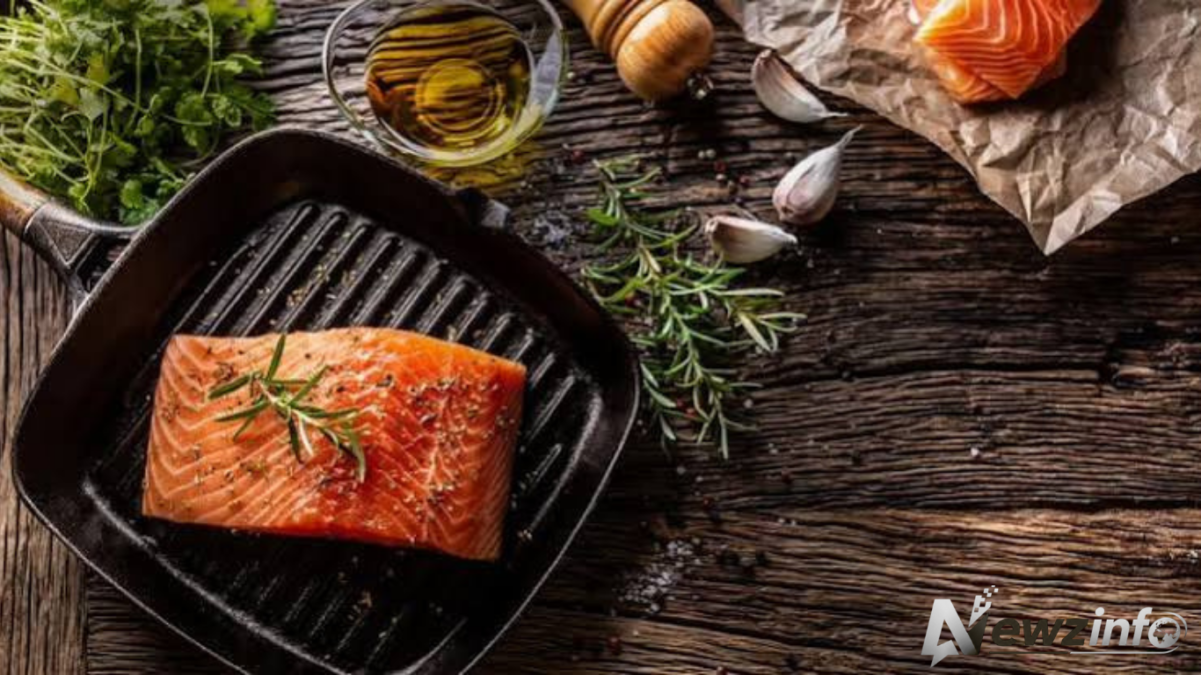
Cooking methods affect the final nutrient retention. Gentle baking, steaming or pan-searing with minimal added fat preserves omega-3s and vitamins. Overcooking can dry out the leaner steelhead more readily, so slightly shorter cooking times help.
Making the Choice: Steelhead Trout vs Salmon Nutrition
There is no single winner in the steelhead trout vs salmon nutrition comparison. Salmon generally provides more total fat and omega-3s along with a richer sensory experience. Steelhead offers a leaner alternative with competitive levels of protein, vitamin B12, vitamin D and vitamin E, often at a lower calorie cost and sometimes a lower price.
Many people benefit from alternating between the two. This approach maximises variety in micronutrients while keeping meals interesting. Both meet the criteria for healthy oily fish and contribute to the recommended weekly intake.
Conclusion
Exploring steelhead trout vs salmon nutrition shows two highly nutritious fish that support heart, brain and overall health. Their differences in fat content, calorie density and specific vitamins allow you to match the choice to your dietary priorities without compromising on quality protein or beneficial fats. Whether you favour the leaner profile of steelhead or the richer character of salmon, both deserve a regular place on the table.