Fashion
Skeleton Face Paint: The Timeless Halloween Classic That Captivates Every Generation

Skeleton face paint remains one of the most enduring and versatile Halloween looks, blending simplicity with striking visual impact. Whether on children at trick-or-treat outings or adults at costume parties, this design transforms the human face into a haunting yet artistic skull, evoking both fear and fascination. Its popularity endures because it requires minimal supplies yet delivers maximum effect, making it accessible to beginners and seasoned makeup enthusiasts alike.
From classic black-and-white versions to elaborate sugar skull interpretations inspired by Día de los Muertos, skeleton face paint continues to evolve while staying true to its roots in celebrating mortality with creativity. In this feature, we explore its history, techniques, cultural significance, and enduring appeal.
The Origins and Cultural Roots of Skeleton Face Paint
Skeleton face paint draws from deep historical and cultural traditions surrounding death and the afterlife. In Western contexts, it echoes the imagery of the Grim Reaper or memento mori art, which reminds us of life’s fragility. However, its festive modern form owes much to Mexican traditions, particularly Día de los Muertos (Day of the Dead), where colourful calavera (skull) makeup honours deceased loved ones.
The iconic La Calavera Catrina, created by artist José Guadalupe Posada in the early 20th century, popularised the elegantly dressed skeleton figure as a symbol of equality in death. What began as social satire has become a vibrant celebration, with face paint featuring intricate floral patterns, bright colours, and decorative motifs. This influence has crossed over into global Halloween celebrations, where simpler monochrome skeleton designs dominate.
Today, skeleton face paint bridges these worlds. It appears at music festivals, professional photoshoots, and theatrical productions, proving its versatility beyond October 31st.

Mastering Skeleton Face Paint: Step-by-Step Techniques
Creating effective skeleton face paint starts with preparation. Clean, moisturised skin ensures better adhesion, while a primer can help the paint last longer. Most enthusiasts use water-activated face paints, which are affordable, safe, and easy to remove.
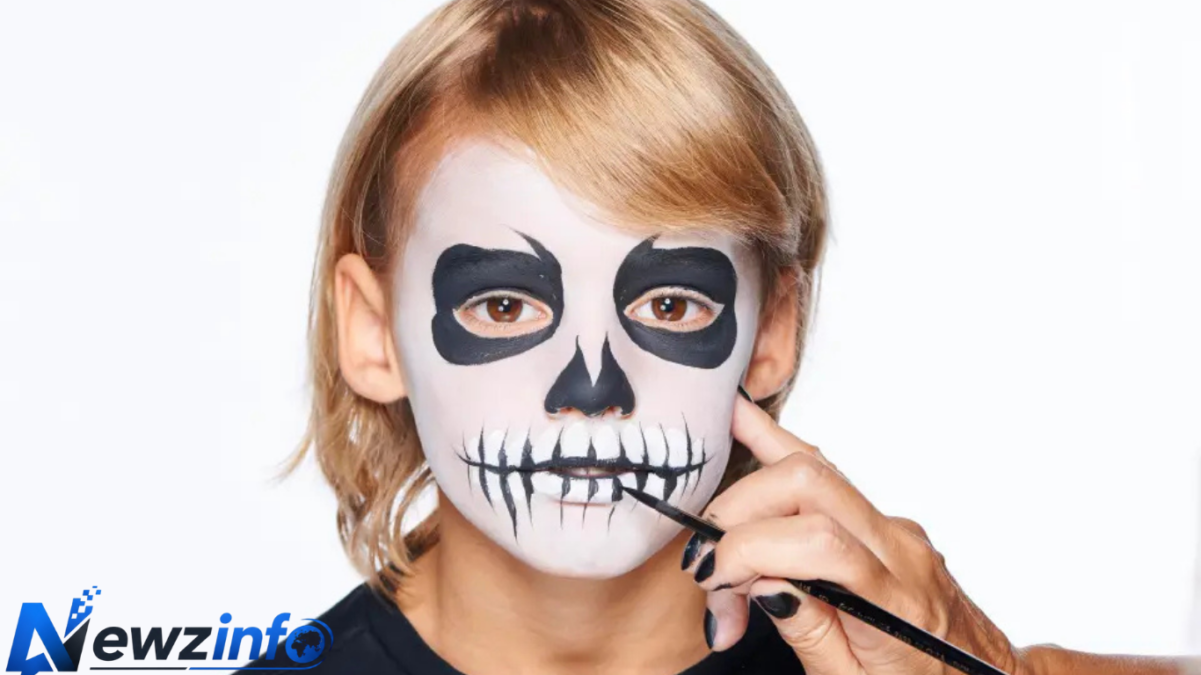
Base Layer: Apply a solid white base across the entire face, avoiding the eye area initially for contrast. This creates the “bone” foundation. Blend evenly with a sponge for smooth coverage.
Defining Features: Use black paint or eyeliner to hollow out the eyes, creating deep sockets. Shade the nose to resemble nasal cavities, and outline the teeth along the lips. Many tutorials recommend adding vertical lines on the lips to mimic teeth, with subtle shading for realism.
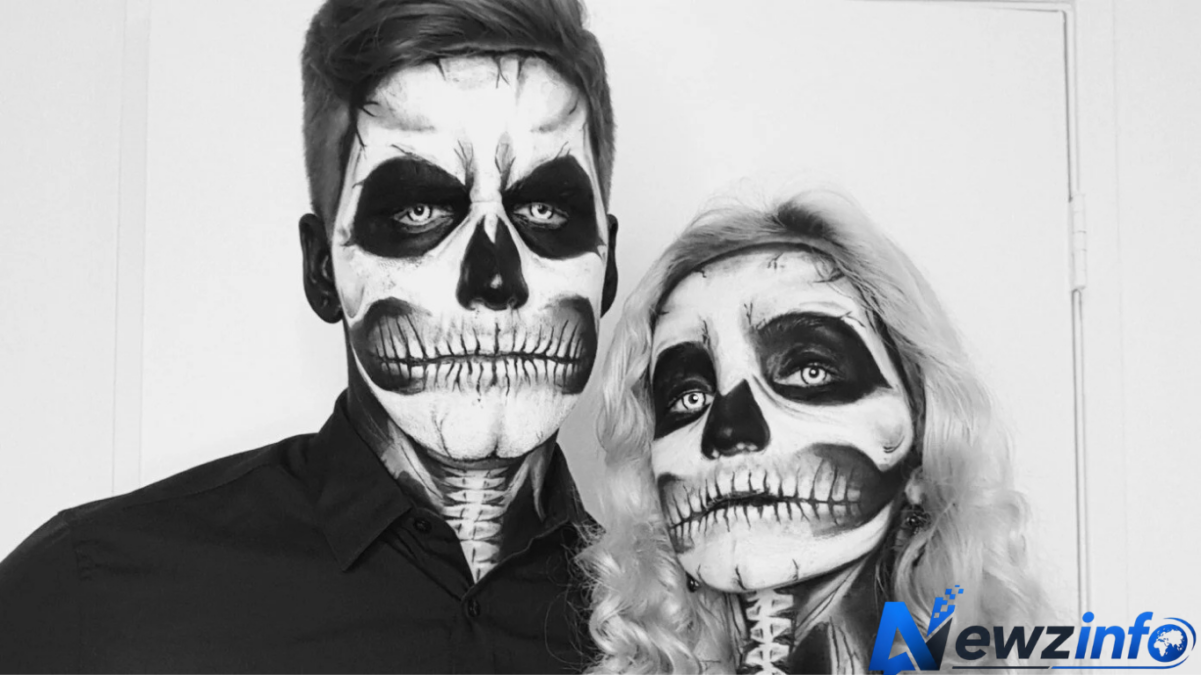
Details and Shading: Enhance depth with grey or black shading along cheekbones, jawline, and forehead to emphasise skeletal structure. For a more advanced look, incorporate cracks, stitches, or highlights with white or metallic accents. Children’s versions often simplify this, focusing on bold shapes that are quick to apply and remove.
Variations abound. Glam skeleton face paint adds glitter or bronze tones, while half-face designs offer a dramatic split between normal makeup and skull. For darker skin tones, artists adjust contrasts carefully to maintain visibility and respect cultural sensitivities in sugar skull styles.
Why Skeleton Face Paint Endures in Popular Culture
Skeleton face paint’s staying power lies in its accessibility and adaptability. It requires no expensive prosthetics—just basic supplies available at most craft stores. This democratises costume-making, allowing families to create memorable looks together.
In media, skeleton motifs appear in films, television (such as American Horror Story references), and celebrity events. High-profile appearances, like Alicia Keys’ stepson wearing it at the Grammys, highlight its crossover appeal.
The design also taps into psychological appeal. By confronting death through art, wearers playfully engage with universal fears. It fits group themes—families as a skeleton crew or couples as matching skulls—and translates well to social media, where tutorials rack up millions of views annually.
Personal and Practical Considerations
While fun, skeleton face paint requires attention to safety. Use hypoallergenic, non-toxic products, especially for children. Perform patch tests, and avoid the eye area with heavy application. Removal involves gentle oil-based cleansers followed by washing to prevent irritation.
For those with skin conditions, consult a professional or opt for simpler designs. Many face painters emphasise creativity over perfection, encouraging experimentation to build confidence.
Quick Facts About Skeleton Face Paint
| Detail | Information |
| Origin | Roots in Día de los Muertos traditions and European memento mori |
| Primary Colours | Black and white, with colourful variations for sugar skulls |
| Best For | Halloween, festivals, theatrical performances |
| Difficulty Level | Beginner to intermediate |
| Key Supplies | Water-activated face paints, brushes, sponges |
| Cultural Significance | Celebration of life, death, and equality |
The Lasting Impact and Modern Evolution
Skeleton face paint influences contemporary makeup artistry by encouraging creativity with limited resources. Professional face painters and makeup artists use it as a foundation for more complex designs, while social platforms have spawned communities sharing innovative twists, from glow-in-the-dark effects to gender-fluid interpretations.
Its impact extends to education around cultural appreciation. When done respectfully, it fosters understanding of Día de los Muertos beyond superficial costumes. Artists continue to innovate with sustainable products and inclusive techniques, ensuring the tradition remains relevant.
Conclusion
As makeup technology advances, skeleton face paint adapts—think LED-enhanced designs or app-guided tutorials—yet its core charm persists in its straightforward elegance.
Skeleton face paint captures the imagination through its blend of the macabre and the artistic. It reminds us that even the simplest designs can tell powerful stories about life, death, and self-expression. Whether you’re a first-time painter or a seasoned pro, this classic look offers endless possibilities for creativity and connection.