health
Moringa Seeds: Nature’s Nutrient-Dense Treasure from the Drumstick Tree

In kitchens and traditional medicine cabinets across tropical regions, a small, winged seed has quietly earned a reputation for its remarkable density of nutrients. Moringa seeds come from the Moringa oleifera tree, often called the drumstick tree, horseradish tree or miracle tree. Long valued in South Asian and African communities, these seeds have drawn wider interest in recent years for their protein, healthy fats and bioactive compounds.
Readers remain curious about moringa seeds because they sit at the intersection of everyday food and functional nutrition. Unlike fleeting wellness trends, the plant has a documented history of practical use—clarifying water, providing oil and contributing to diets in areas where malnutrition remains a concern. Scientific reviews continue to explore its potential, while growers and consumers experiment with the seeds in oils, powders and whole form. What follows is a clear-eyed look at their origins, composition, applications and limitations.
Origins and Botanical Background
Moringa oleifera is native to the foothills of the Himalayas, ranging from north-western Pakistan through northern India. It belongs to the monogeneric family Moringaceae and thrives in tropical and subtropical climates. The tree is drought-tolerant, grows rapidly in well-drained sandy or loamy soils, and can reach several metres in height within a single season under favourable conditions.
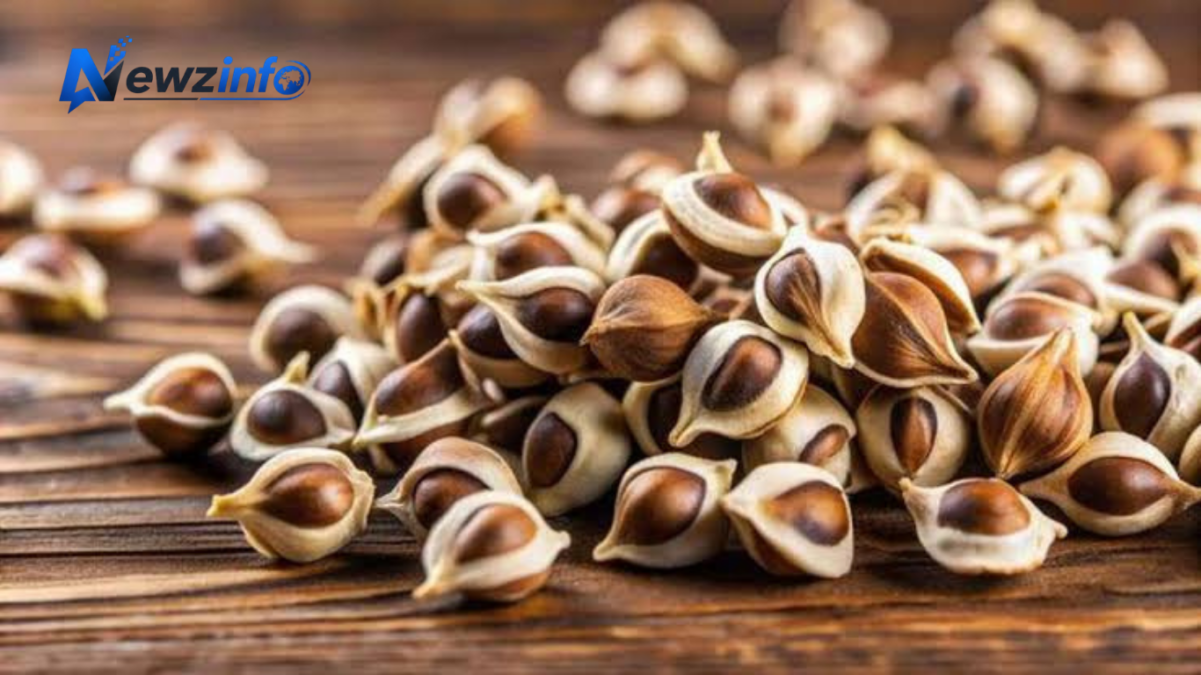
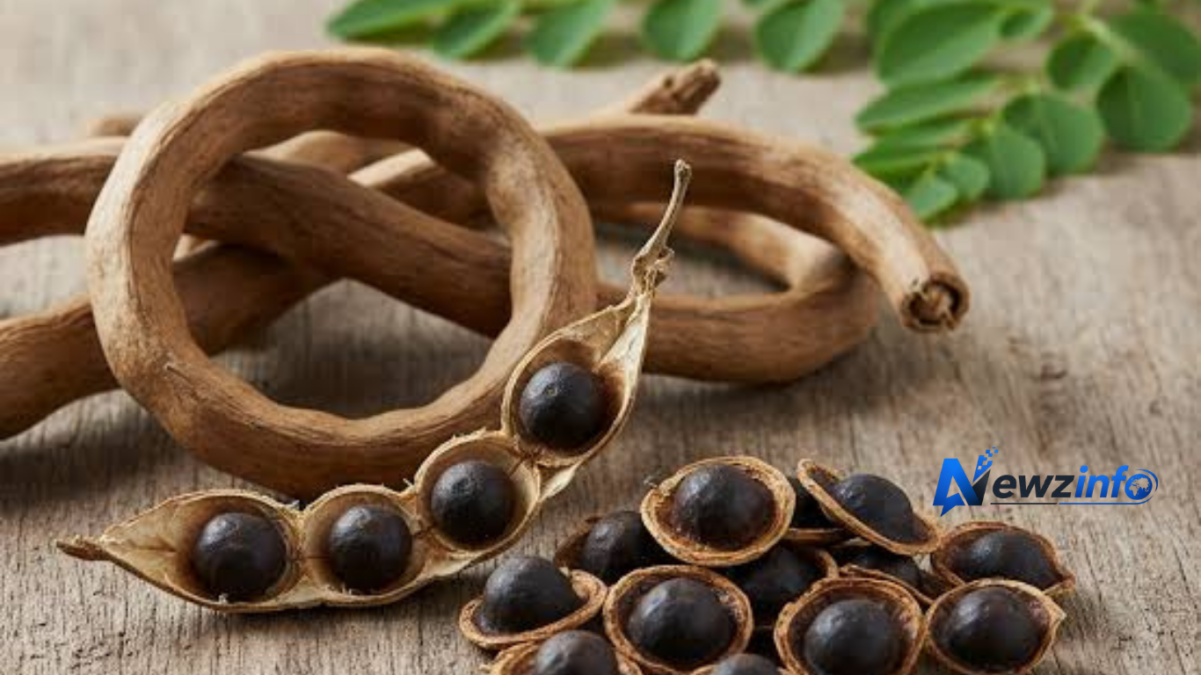
The seeds themselves form inside long, three-sided pods commonly known as drumsticks. Each seed is roughly one centimetre in diameter, dark brown and equipped with three papery wings that aid dispersal by wind and water. A mature tree can produce thousands of seeds in a season. Traditional cultivation relies on direct sowing or cuttings, and the plant has spread widely across Africa, South-East Asia, the Caribbean, Central America and other warm regions because of its resilience and multiple uses.
Historically, communities recognised the value of nearly every part of the tree. The seeds, in particular, found roles in local diets and practical applications long before modern nutritional analysis. Their entry into broader awareness came through ethnographic records, agricultural extension work and, more recently, scientific interest in underutilised crops that could support food security.

Nutritional Profile and Traditional Roles
Moringa seeds stand out for their concentrated macronutrients. Analyses commonly report protein content averaging around 19 per cent, with some studies showing higher figures once oil is removed. Lipid content averages about 31 to 40 per cent, dominated by oleic acid—an unsaturated fatty acid also prominent in olive oil. The seeds also supply minerals, vitamins (including A and B-group compounds in various reports) and bioactive substances such as flavonoids, phenolics, glucosinolates and the isothiocyanate known as moringin.
In traditional settings the seeds have been eaten roasted or boiled, pressed for oil (historically called ben oil or behen oil), or crushed and used to clarify turbid water. The oil’s stability and mild flavour made it useful for cooking and for skin and hair applications. In some regions people chewed the bitter seeds as part of folk practices aimed at supporting blood-sugar balance. These uses developed from practical observation rather than laboratory trials, yet they established the seeds’ place in local food systems.
Modern food technology has examined defatted seed flour as a protein-rich ingredient and explored the oil for culinary and cosmetic purposes. The seeds’ amino-acid profile, including sulphur-containing amino acids that are often limited in legumes, has attracted attention as a complementary plant protein source.
Health Interest and Scientific Exploration
Research interest in moringa seeds has grown alongside wider study of the whole plant. Laboratory and animal studies have investigated antioxidant, anti-inflammatory, antimicrobial and potential antidiabetic effects linked to the seeds’ phytochemicals. Reviews note that isothiocyanates and phenolic compounds may contribute to observed activities, while the oil’s fatty-acid composition supports interest in cardiovascular contexts.
Human evidence remains more limited. Many clinical observations focus on leaf preparations rather than seeds specifically, and larger, well-controlled trials are still needed to confirm benefits at typical dietary intakes. Proponents highlight possible support for immunity, digestion and metabolic markers, yet responsible summaries emphasise that moringa seeds are a nutrient-dense food rather than a proven medicine. Claims of dramatic therapeutic effects often exceed the current strength of evidence.
Water-purification properties are among the better-documented traditional applications. Crushed seed kernels contain proteins that act as natural coagulants, binding suspended particles and certain microbes so they settle out of water. This use continues to be studied as a low-cost option in resource-limited settings.
Challenges, Safety and Research Gaps
Like many concentrated plant materials, moringa seeds are not without caveats. High intakes have been associated in some reports with mild gastrointestinal upset. Animal studies at very elevated doses have raised questions about reproductive effects, prompting caution around excessive consumption during pregnancy. Allergic reactions appear rare but possible. Commercial products derived from the plant (more often leaves) have occasionally been linked to contamination incidents, underscoring the importance of quality sourcing.
Scientific literature repeatedly notes that while preclinical data are promising, robust human trials specifically on the seeds remain relatively sparse. Variability in growing conditions, seed maturity and processing can affect nutrient and phytochemical levels, complicating generalisations. Researchers therefore urge measured expectations: moringa seeds can usefully contribute to a varied diet, yet they should not replace established medical care or balanced nutrition.
Cultivation challenges also exist. The tree is frost-sensitive, and seed viability declines under warm, humid storage. In commercial production, consistent quality and sustainable harvesting practices become important as demand rises.
Practical Uses and Everyday Integration
Beyond traditional medicine, moringa seeds appear in contemporary kitchens and workshops. The oil serves as a cooking medium or ingredient in soaps and cosmetics. Whole or ground seeds can be incorporated into recipes, though their slightly bitter taste requires careful balancing. Defatted flour finds experimental use in baked goods and protein fortification.
Gardeners in suitable climates grow the tree from seed for both ornamental and edible purposes. Pods harvested young are cooked as vegetables; mature seeds are collected for oil or direct consumption. In development contexts the plant is promoted for its ability to produce nutritious material on marginal land with limited water.
Public and private initiatives have explored moringa in programmes addressing malnutrition, particularly where leaf powder is more common, yet the seeds contribute additional protein and energy density. Advocacy focuses on the plant’s multipurpose nature rather than any single “miracle” claim.
Quick Facts
| Detail | Information |
| Scientific Name | Moringa oleifera |
| Common Names | Drumstick tree, horseradish tree, ben oil tree |
| Native Region | Himalayan foothills (north-west India, Pakistan) |
| Seed Composition | ~19 % protein, ~31–40 % oil (high oleic acid) |
| Traditional Uses | Food, oil, water clarification, folk remedies |
| Key Bioactives | Phenolics, glucosinolates, isothiocyanates |
| Cultivation | Tropical/subtropical, drought-tolerant |
| Safety Notes | Generally well tolerated; high doses may cause GI upset; caution in pregnancy |
Legacy and Lasting Impact
Moringa seeds remain important because they illustrate how a single plant part can serve nutrition, practical technology and cultural continuity at once. Their influence appears in food-security discussions, ethnobotanical records and the growing catalogue of underutilised crops receiving scientific attention. Public perception often oscillates between enthusiastic “superfood” marketing and more measured scientific appraisal; the lasting value lies between those poles.
The story of the seeds also offers a quiet lesson in resilience and adaptation. A tree that flourishes on lean soils and yields edible, functional material has supported communities for generations. Contemporary interest simply expands the audience for that long-standing utility.
Conclusion
From the pods of a fast-growing tropical tree, moringa seeds deliver a concentrated package of protein, healthy fats and plant compounds that have earned them a place in both traditional diets and modern nutritional conversation. Their journey from Himalayan foothills to global awareness reflects practical human ingenuity more than sudden discovery. While research continues to clarify specific health effects, the seeds already stand as a versatile, nutrient-rich food with established culinary and technical uses.