health
Military Calisthenics Free: Build Real Strength and Endurance with Nothing But Your Body

Military calisthenics free training has quietly become one of the most practical ways for people to get stronger, fitter and more resilient without a gym membership, fancy equipment or complicated programmes. Drawn directly from the physical training methods used by armed forces around the world, it focuses on high-repetition bodyweight movements that develop muscular endurance, work capacity and functional strength at the same time.
Readers keep returning to this style of training because it is simple, scalable and genuinely free. Whether you are preparing for a fitness test, recovering fitness after time away, or simply want a no-excuses routine that works in a living room, hotel room or park, military calisthenics free sessions deliver results through consistency rather than complexity.
What Military Calisthenics Actually Means
Military calisthenics is bodyweight training modelled on the physical readiness sessions used by soldiers. The core idea is straightforward: master a small number of compound movements—push-ups, pull-ups or rows, squats, lunges, planks, sit-ups or leg raises, and often burpees or mountain climbers—then perform them in circuits or timed sets with limited rest.
Unlike pure strength training that prioritises heavy loads and low repetitions, this approach emphasises volume, form and the ability to keep working under fatigue. Running or shuttle sprints frequently appear as finishers because cardiovascular conditioning remains central to military fitness standards. The beauty of a military calisthenics free approach is that almost everything can be done with floor space and, ideally, a pull-up bar. When a bar is unavailable, inverted rows under a sturdy table or progressive negatives provide effective alternatives.

Why Free Military-Style Training Appeals
Cost is the most obvious advantage. No membership fees, no specialised kit beyond optional items such as a pull-up bar or resistance band. The method also travels well. A session that works in barracks or on deployment works equally well at home or while travelling.
Progression is built in. Beginners start with easier variations—knee or incline push-ups, box squats, assisted rows—and gradually move toward stricter forms and higher volumes. Intermediate and advanced trainees increase rounds, reduce rest, or add weighted vests and rucks for greater challenge. The same framework serves people of widely different starting points.
Armed-forces physical training has long prioritised movements that transfer to real demands: carrying loads, climbing, crawling and sustained effort. Civilian versions retain that practical focus while remaining accessible.
Core Movements That Form the Foundation
Most free military calisthenics programmes revolve around a handful of proven exercises:
- Push-ups and their progressions for the chest, shoulders and triceps
- Pull-ups, chin-ups or inverted rows for the back and biceps
- Bodyweight squats, lunges or jump variations for the lower body
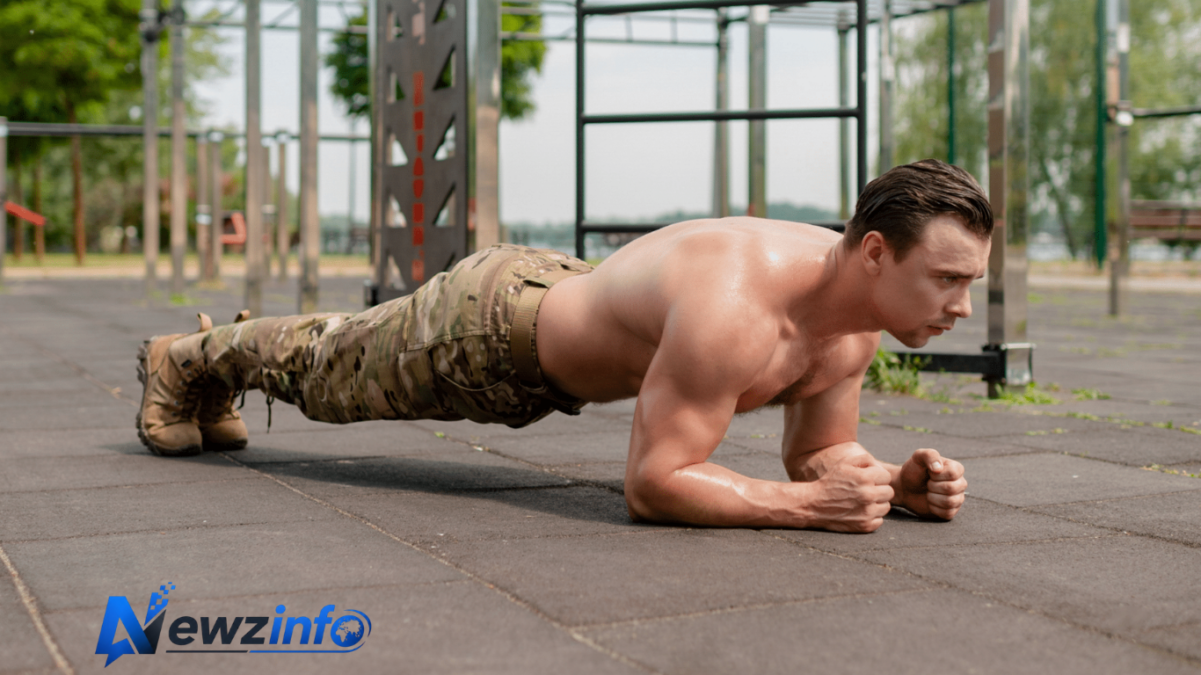
- Planks, sit-ups, leg raises or flutter kicks for the core
- Burpees, mountain climbers or high-knees for conditioning
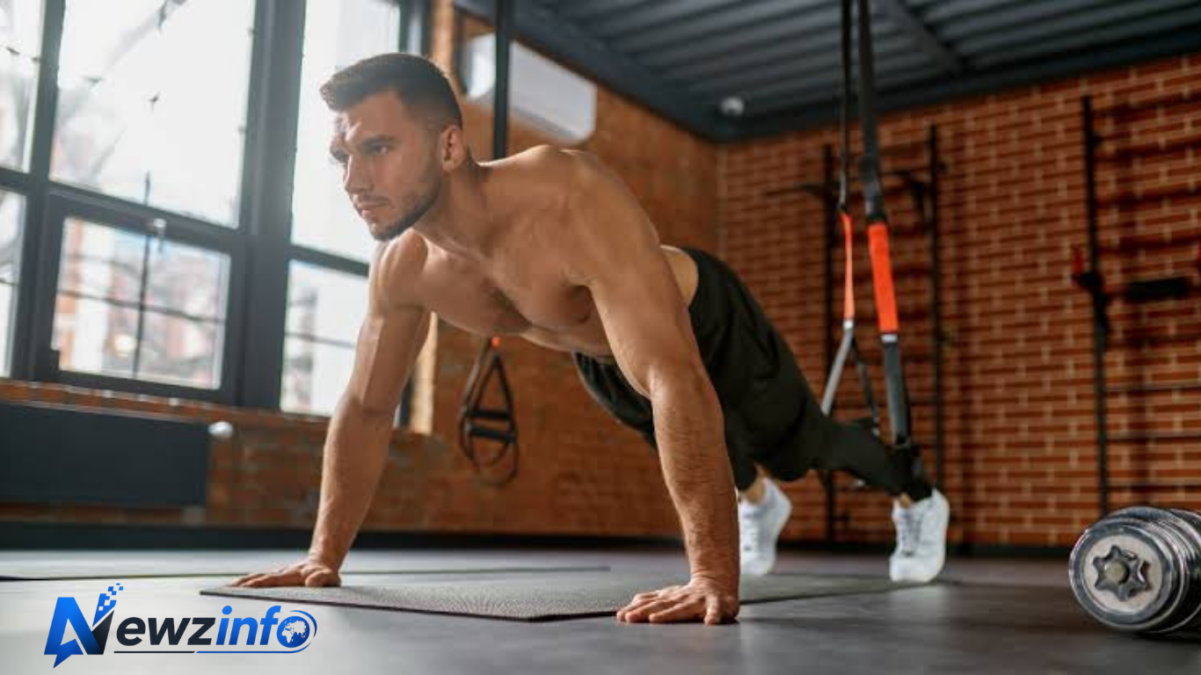
Form matters more than raw numbers. A rigid plank line in the push-up, full range in the squat, and controlled negatives when building pull-up strength produce better long-term results than rushing through sloppy repetitions.
A Practical Free Circuit You Can Start Today
One widely used structure is a simple multi-movement circuit. Perform the exercises in order, rest 60–90 seconds after completing the full round, then repeat. Beginners might aim for three rounds; those with more conditioning can progress to four or five. A typical 25–35-minute session might look like this:
- Push-ups: 10–20 repetitions (use knee or incline versions if needed)
- Bodyweight squats: 15–25
- Sit-ups or crunches: 15–20
- Pull-ups or inverted rows: maximum quality repetitions (or 5–10 assisted)
- Walking lunges: 10–12 per leg
- Mountain climbers: 20–30 total
- Plank: 30–60 seconds
- Burpees: 8–12 (step-back version if jumping is too demanding)
An optional finisher of a short run, shuttle sprints or brisk walk rounds out the session. Warm up first with jumping jacks, arm circles, leg swings and a few light squats to raise body temperature and mobilise the joints.
Many online resources offer structured free multi-week plans that progress volume and intensity week by week, often with beginner, intermediate and advanced tracks based on a simple max-effort test of push-ups and pull-ups. These plans typically schedule three strength-endurance days, some conditioning work and recovery days, mirroring the balance found in military physical training.
Building Toward Common Fitness Standards
Military fitness tests vary by country and branch, yet they share common benchmarks that free calisthenics training prepares people to meet. Typical targets include a set number of push-ups and sit-ups or leg raises in two minutes, a minimum number of strict pull-ups, and a timed run (often 1.5–3 miles or the equivalent in kilometres). Training toward honest versions of these standards—without artificial assistance—builds the capacity most people are seeking.
Progress is best measured by consistent practice rather than daily personal bests. Tracking maximum quality repetitions, total rounds completed in a fixed time, or improved running pace provides clearer feedback than chasing perfect numbers every session.
Practical Tips for Lasting Results
Consistency outperforms intensity spikes. Two to four sessions per week, combined with some walking or easy running, suit most people. Recovery days and sleep remain non-negotiable; military-style training is demanding and the body adapts between sessions, not during them.
Scale every movement honestly. Dropping to the knees for push-ups or using a chair for assisted squats is not failure—it is intelligent progression. Once the top of a given rep range feels solid with good form, move to a harder variation.
A pull-up bar is the single most useful addition for most trainees, yet it is not essential to begin. Many effective free programmes start entirely on the floor and introduce pulling progressions later.
Nutrition and overall lifestyle support the work. Adequate protein, sensible calorie balance and enough sleep amplify the returns from the training itself. The programme does not require perfect conditions; it simply rewards regular effort.
Later Adaptations and Ongoing Practice
As fitness improves, many people add weighted vests, longer runs, or more advanced progressions such as archer push-ups, pistol squat work or muscle-up skill practice. Others keep the classic circuit structure and simply raise the volume or tighten rest periods. The framework remains flexible.
Charity challenges, group outdoor sessions and online communities have also grown around free military-style training. People share progress, modify sessions for limited space, and encourage one another without commercial pressure. The method’s accessibility continues to attract both former service members and complete beginners.
Conclusion
Military calisthenics free training endures because it works. It strips fitness back to essentials that have been tested under demanding conditions for generations. The same movements that prepare recruits for the physical demands of service help civilians build resilience, confidence and measurable capability in everyday life.