Food
Mexican Chilaquiles: A Beloved Breakfast Staple with Ancient Roots

Mexican chilaquiles have captivated food lovers for generations with their perfect balance of crispy tortillas, vibrant salsa, and comforting toppings. This humble yet flavourful dish, often enjoyed as a hearty breakfast or brunch, embodies the resourceful spirit of Mexican cuisine. Whether served with a fiery red sauce or a tangy green one, chilaquiles transform simple ingredients into something deeply satisfying.
What keeps diners returning to Mexican chilaquiles is their versatility and soulful appeal. Ideal for using up day-old tortillas, the dish offers a delightful contrast of textures and bold flavours that wake up the palate. From bustling street stalls in Mexico City to trendy cafés abroad, it continues to gain fans worldwide.
Origins and History of Mexican Chilaquiles
The story of Mexican chilaquiles stretches back to pre-Hispanic times, with roots in Aztec traditions. The name derives from the Nahuatl word chīlaquilli or similar terms, roughly translating to “something covered in chilli” or “herbs in chilli broth.” Corn, a cornerstone of Aztec diet processed through nixtamalization to make tortillas, formed the foundation of this resourceful dish.
Early versions likely emerged as a practical way to repurpose leftover tortillas before refrigeration. Spanish colonial influences later introduced ingredients like tomatoes, onions, and garlic, shaping the modern recipe. One of the earliest written references appears in 19th-century Mexican cookbooks, describing fried tortillas simmered in a chilli-tomato sauce, sometimes with pork or seeds.
By the late 19th century, the dish had crossed into the United States through Mexican-American cookbooks. Today, Mexican chilaquiles remain a breakfast staple across Mexico, particularly in central and northern regions, celebrated for their ability to soothe hangovers and fuel busy days.

What Are Mexican Chilaquiles? Understanding the Dish
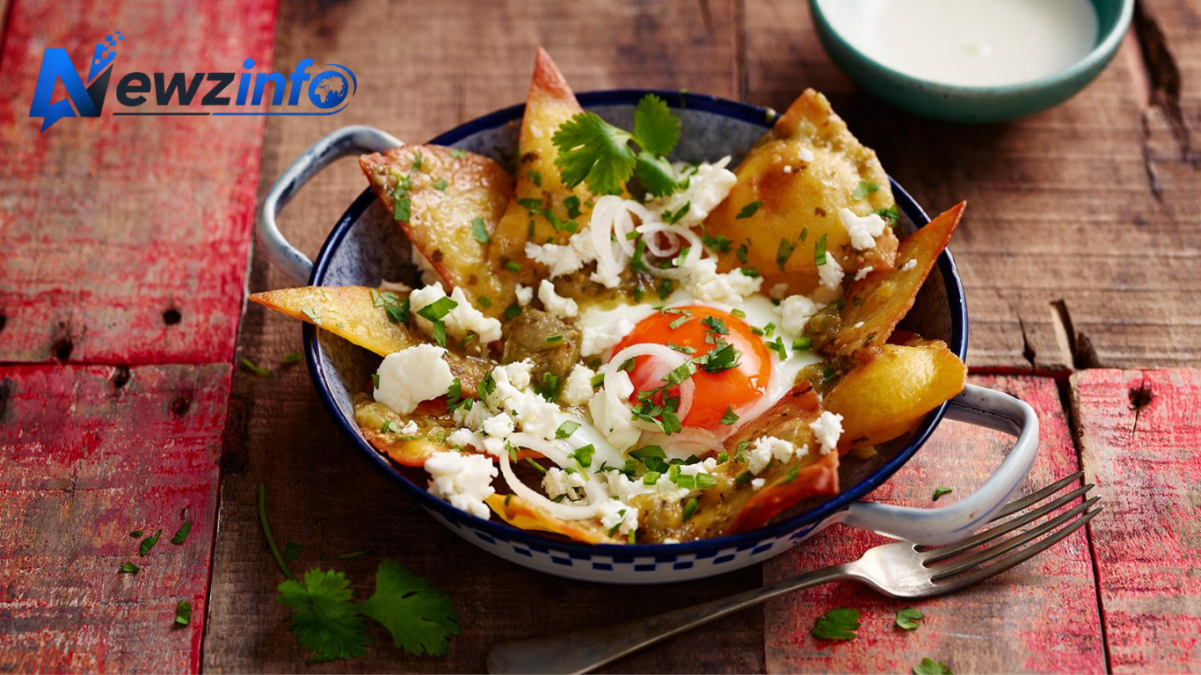
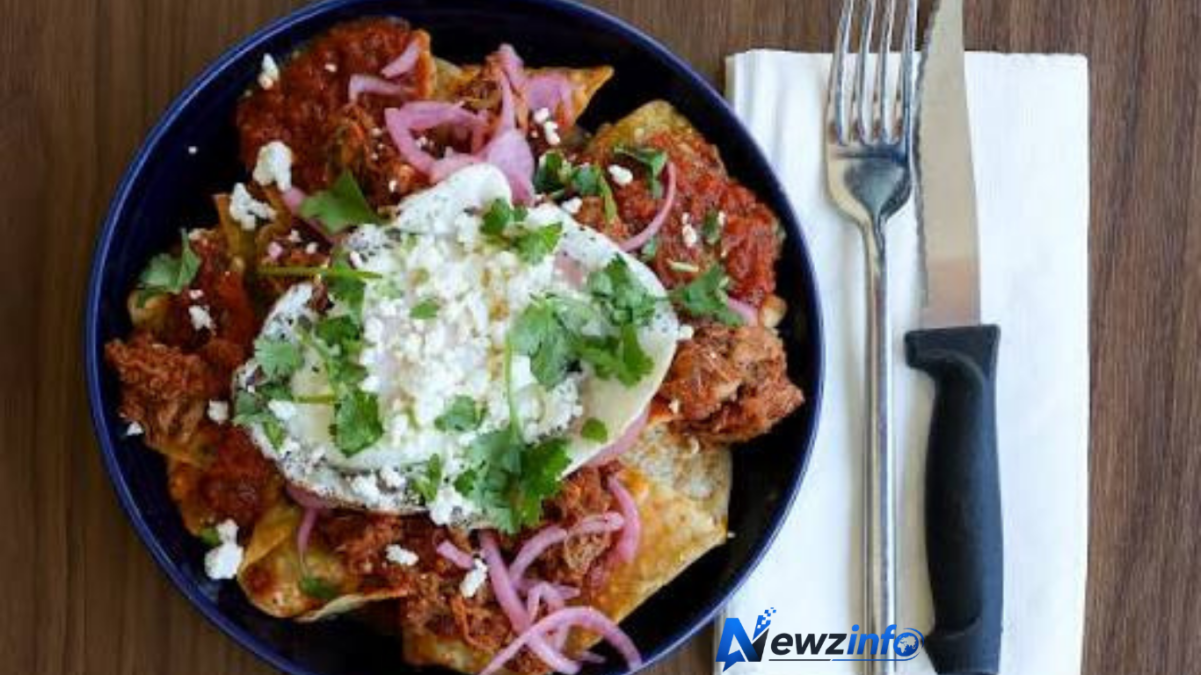
At its core, Mexican chilaquiles consist of crispy tortilla pieces simmered in salsa until they soften slightly while retaining some crunch. The two primary varieties are chilaquiles rojos (red) and chilaquiles verdes (green), differing mainly in the salsa base. Red versions use tomatoes and dried chillies like guajillo or ancho, while green relies on tomatillos, fresh green chillies, and herbs such as cilantro.
Common toppings include crumbled queso fresco, Mexican crema, sliced onions, chopped coriander, and often a fried or scrambled egg on top. Many add protein like shredded chicken, chorizo, or beans. The result is a comforting plate where the tortillas absorb the sauce’s flavours without becoming soggy.
This adaptability explains the enduring popularity of Mexican chilaquiles. Home cooks and chefs alike experiment with regional twists, from Oaxacan mole variations to additions of avocado or pickled jalapeños.
How to Make Authentic Mexican Chilaquiles at Home
Creating Mexican chilaquiles is straightforward yet rewarding. Start with corn tortillas—ideally day-old for better frying. Cut them into triangles or strips and fry in oil until golden and crisp. Drain on paper towels and season lightly with salt.
For the salsa roja, roast tomatoes, onion, garlic, and dried chillies, then blend with broth or water and simmer. Green salsa follows a similar process with tomatillos. Gently toss the fried tortillas in the warm salsa just before serving to preserve texture.
Finish with classic garnishes: a drizzle of crema, crumbled cheese, onion rings, and fresh herbs. A sunny-side-up egg or spoonful of refried beans elevates the dish. Many prefer it with a side of black beans or rice.
Portion sizes are generous, making chilaquiles ideal for sharing or leftovers (though best enjoyed fresh). Home versions can rival restaurant quality with fresh ingredients and attention to the sauce’s balance of heat and acidity.
Regional Variations and Modern Twists
While rooted in tradition, Mexican chilaquiles vary across regions. In some areas, they incorporate local chillies or herbs, or feature tortillas de maíz azul for a nuttier flavour. Urban spots in Mexico City might offer gourmet takes with premium proteins or fusion elements.
In the United States and beyond, chefs have elevated the dish with creative additions like pulled pork, smoked salmon, or vegetarian options featuring grilled vegetables. Some restaurants serve chilaquiles in torta form—stuffed into a sandwich—or with international influences.
Despite innovations, purists emphasise keeping the essence: crispy tortillas meeting bold salsa. This balance ensures Mexican chilaquiles remain approachable yet special.
Cultural Significance and Everyday Appeal
Mexican chilaquiles represent more than a meal; they symbolise resourcefulness and community. Born from the need to avoid waste, the dish reflects a broader Mexican culinary philosophy of maximising humble ingredients. Families pass down recipes, with each household adding its signature touch.
The dish’s hangover-curing reputation adds to its cultural lore, often enjoyed after lively nights. It features prominently in home cooking, markets, and celebrations, bridging generations and social classes.
In recent years, growing global interest in Mexican cuisine has spotlighted chilaquiles on international menus, introducing new audiences to its charms without losing authenticity.
Quick Facts on Mexican Chilaquiles
| Detail | Information |
| Origin | Central and Northern Mexico, pre-Hispanic roots |
| Main Ingredients | Corn tortillas, salsa (red or green), queso fresco, crema |
| Typical Serving | Breakfast or brunch |
| Variations | Rojos, verdes, with eggs, meat, or vegetarian |
| Cultural Role | Leftover repurposing, comfort food |
| Popularity | Widespread in Mexico and Mexican diaspora |
Conclusion
Mexican chilaquiles endure because they deliver bold flavour and comfort in every bite. Their history ties them to Mexico’s rich heritage, while their simplicity invites personal interpretation. From traditional family breakfasts to contemporary restaurant interpretations, the dish showcases the vibrancy of Mexican cooking.