Food
Mercimek Kofte Near Me: Discovering Turkey’s Favourite Vegan Lentil Balls

Searching for mercimek kofte near me often leads food lovers straight to one of Turkish cuisine’s most comforting and quietly addictive dishes. These soft, spiced lentil and bulgur “meatballs” appear at tea-time tables, family gatherings and meze spreads across Turkey and beyond. They are naturally vegan, packed with flavour, and far more interesting than their humble ingredients suggest.
Whether you are craving a plate of them right now or simply curious about this everyday classic, the search for mercimek kofte near me reflects a growing appetite for authentic, plant-based Middle Eastern and Anatolian food. The dish rewards both the home cook and the restaurant hunter with its aromatic cumin, gentle heat from pepper paste, and the fresh lift of parsley and spring onion.
This article explores what makes mercimek köfte special, how it earned its place in Turkish hospitality, and practical ways to find or recreate it wherever you are.
Origins and Early History of Mercimek Köfte
Mercimek köfte (also written mercimek kofte) is a traditional Turkish meze made primarily from red lentils and fine bulgur. It belongs to the broader family of köfte – shaped patties or balls – yet contains no meat at all. The name simply refers to the hand-shaped form.
The dish is strongly associated with south-eastern Anatolia, particularly areas such as Adana, Gaziantep, Diyarbakır and Osmaniye. In these regions lentils and bulgur have long been pantry staples, valued for their affordability, nutrition and ability to keep well. Local variations carry names such as Gaziantep Malhıtalı Köftesi or Diyarbakır Belluh, some of which have received geographical indication status in Turkey.
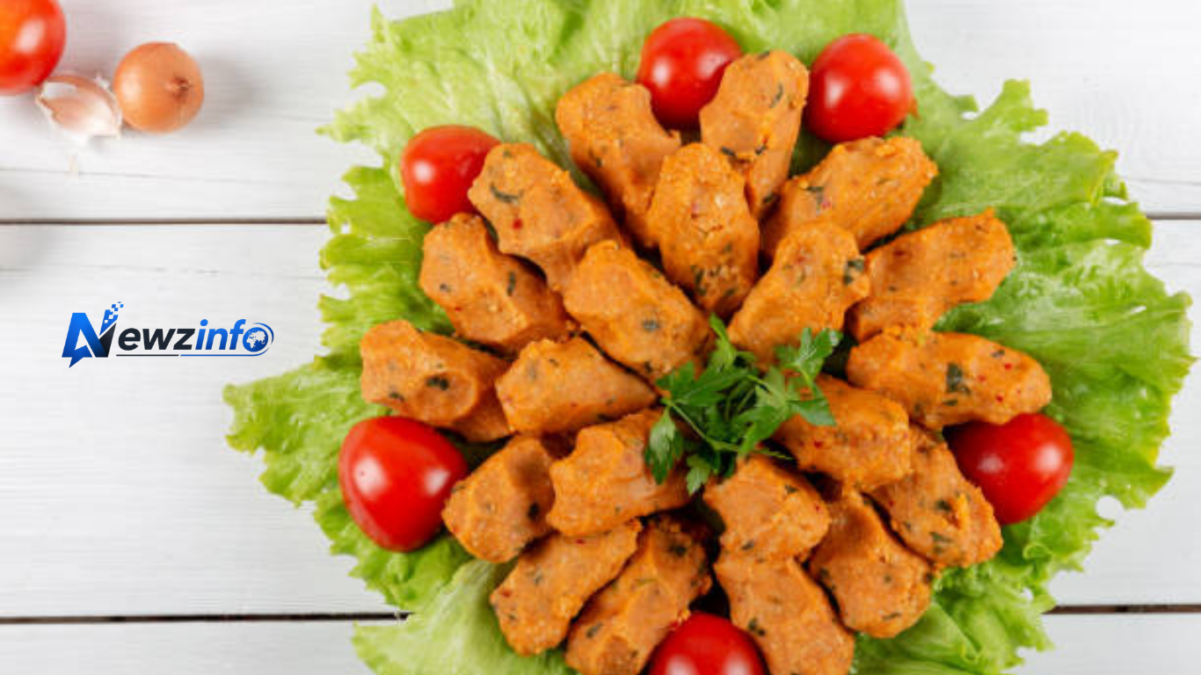
Historically, mercimek köfte emerged as a practical, protein-rich food that could be prepared in advance and served at room temperature. It became a fixture of “5 o’clock tea” gatherings and special occasions, symbolising the generous spirit of Anatolian hospitality. Guests are often offered a plate of these golden-orange ovals alongside lettuce leaves, lemon wedges and sometimes pickled vegetables.
Unlike many celebrated Turkish dishes that rely on slow-cooked meats or elaborate techniques, mercimek köfte relies on careful timing and balance of textures. The lentils are cooked until soft, the fine bulgur is stirred in to absorb the residual liquid, and a savoury base of onion, tomato paste and biber salçası (Turkish pepper paste) provides depth. Fresh herbs finish the mixture before it is shaped by hand.

How Mercimek Köfte Rose to Everyday Fame
What began as a regional home-cooking staple gradually became a nationwide favourite. Its appeal lies in several practical advantages: it is inexpensive, filling, suitable for vegetarians and vegans, and can be made ahead for picnics, parties or weekday lunches. Leftovers often taste even better the next day once the flavours have settled.
In Turkish culture the dish frequently appears at women’s social gatherings known as “altın günü” (gold days), where friends meet, socialise and share food. It also features on meze tables in restaurants and is sold by specialised köfteci or home-style caterers. In larger cities such as Istanbul, ready-made mercimek köfte is available by the kilogram from delicatessens, markets and online prepared-food services.
Recognition has extended beyond Turkey. Food writers and chefs in the UK, Australia and the United States have highlighted mercimek köfte as an excellent example of plant-based cooking that does not feel like a compromise. It has appeared in cookbooks focused on Mediterranean and Middle Eastern cuisine and is praised for its high fibre, protein and iron content.
Public reputation remains straightforward and positive. It is regarded as honest, home-style food rather than a high-end restaurant showpiece. That accessibility is part of its charm.
Challenges and Turning Points in Its Popularity
Like many traditional dishes, mercimek köfte faces the challenge of consistency. Too much liquid and the mixture will not hold its shape; too little and the balls become dry. Using coarse bulgur instead of the correct fine köftelik variety results in a grainy texture. Over-cooking the lentils can make the mixture watery, while under-seasoning leaves it bland.
Modern dietary trends have also influenced the dish. As interest in vegan and gluten-free eating has grown, cooks have experimented with substitutions. Some replace bulgur with quinoa or gluten-free grains, though purists note that the classic version relies on the specific absorbency of fine bulgur. Others adjust the heat level by choosing mild or hot pepper paste according to preference.
Commercial production has introduced another variable. Supermarket and deli versions vary widely in quality. Some are excellent, others rely on excessive oil or artificial flavourings. The search for mercimek kofte near me therefore often involves a degree of trial and error until a reliable local source is found.
Despite these minor hurdles, the dish has shown resilience. Its core recipe remains largely unchanged, and its reputation as a healthy, satisfying option continues to attract new admirers.
Enjoying Mercimek Köfte Today – Culture and Practical Tips
Mercimek köfte is almost always served cold or at room temperature. The classic presentation places the shaped ovals on a bed of crisp lettuce leaves (often cos or iceberg). Diners wrap each piece in a leaf, add a squeeze of lemon or a drizzle of pomegranate molasses, and eat it in one or two bites. Spring onions, extra parsley or pickled chillies sometimes accompany the plate.
In the UK and other countries with Turkish communities, the dish appears on meze menus at Turkish and Anatolian restaurants. Independent Turkish delis and bakeries may sell it by weight. Online searches for mercimek kofte near me commonly return results from neighbourhood köfte shops, home cooks advertising on local platforms, and larger supermarket chains that stock ready-made versions in their deli counters.
When evaluating a local option, look for a soft but cohesive texture, a balanced spice profile (cumin should be noticeable but not overpowering), and the presence of fresh green herbs. The colour is typically a warm orange-red from the lentils and pastes. Avoid versions that appear overly oily or dry and cracked.
For those who prefer to make it at home, the process is straightforward once the proportions are understood. Red lentils are rinsed and simmered until soft, fine bulgur is stirred in and left to absorb the moisture, onions are gently fried with tomato and pepper pastes, and the two mixtures are combined with spices, salt, chopped spring onions and parsley. The dough is then shaped into small finger-length cylinders or ovals with damp hands.

Quick Facts About Mercimek Köfte
| Detail | Information |
| Full Name | Mercimek köfte / Mercimek köftesi |
| Place of Origin | Turkey (especially south-eastern Anatolia) |
| Main Ingredients | Red lentils, fine bulgur, onion, tomato paste, pepper paste, herbs and spices |
| Dietary Profile | Naturally vegan, high in plant protein and fibre |
| Typical Serving Style | Cold or room temperature, with lettuce and lemon |
| Cultural Role | Meze, tea-time snack, gathering food |
| Known For | Affordable hospitality food and everyday comfort |
| Variations | Regional names including Malhıtalı and Belluh |
Legacy and Lasting Appeal
Mercimek köfte remains important because it embodies practicality without sacrificing flavour. It demonstrates how simple ingredients – lentils, bulgur, onion and a few pastes – can create something greater than the sum of their parts. In an era of increasingly complex restaurant cooking, its straightforward honesty continues to resonate.
The dish also reflects broader themes in Turkish food culture: generosity, seasonality of herbs, and the ability to feed many people well on a modest budget. Its growing visibility outside Turkey introduces new audiences to the plant-based side of Anatolian cooking that is sometimes overshadowed by kebabs and grilled meats.
For anyone searching mercimek kofte near me, the real discovery is not merely a convenient takeaway option but a small window into a living culinary tradition. Whether eaten in a busy Istanbul meyhane, a London Turkish café or made in a home kitchen, the soft, spiced lentil balls carry the same quiet satisfaction.
Conclusion
The journey of mercimek köfte from regional home kitchens to wider recognition shows how everyday food can endure and adapt. It asks little in the way of exotic ingredients yet offers a great deal in flavour, nutrition and cultural warmth. Next time the search for mercimek kofte near me appears in your browser, you will know you are looking for more than a quick snack – you are seeking a genuine taste of Turkish hospitality.