Food
Mastering Chana Masala Instant Pot: The Ultimate Guide to a Classic Indian Favourite

Few dishes capture the bold, comforting essence of North Indian home cooking quite like chana masala. When prepared as a chana masala Instant Pot recipe, this spiced chickpea curry becomes weeknight-friendly without losing its deep, layered flavour. Readers keep returning to it because it delivers restaurant-style results with far less effort, while remaining naturally vegan, gluten-free and packed with plant-based protein.
The Instant Pot has transformed how many cooks approach traditional pressure-cooked dishes. What once required careful timing on a stovetop cooker or hours of simmering now fits neatly into a busy schedule. Yet the heart of the dish stays true: tender chickpeas in a tangy, aromatic onion-tomato gravy fragrant with cumin, coriander, garam masala and a touch of amchur or lemon. Whether you grew up eating chole bhature on Sundays or discovered it in a local curry house, the chana masala Instant Pot method offers a reliable way to recreate that experience at home.
Origins and Background of Chana Masala
Chana masala, also widely known as chole or Punjabi chole, traces its roots to the Punjab region of northern India. “Chana” simply means chickpeas in Hindi, while “masala” refers to the spiced gravy in which they are cooked. The dish emerged from the robust culinary traditions of the fertile plains that now straddle the India–Pakistan border, where bold flavours, generous use of oil or ghee, and souring agents such as dried mango powder (amchur) or dried pomegranate seeds (anardana) are hallmarks.
Chickpeas themselves have been cultivated across the Indian subcontinent for centuries and remain a staple source of protein and fibre. Traditional preparations often involved soaking dried white chickpeas (kabuli chana) overnight, then pressure-cooking them until soft before simmering them in a separately prepared gravy. In many Punjabi households a tea bag or dried amla was added during cooking to deepen the colour and add subtle complexity. Street vendors in Amritsar, Delhi and beyond popularised the dish as a hearty, affordable meal, frequently paired with deep-fried bhatura bread or fluffy rice.
The move into home kitchens worldwide accelerated as Indian restaurants introduced milder, tomato-forward versions to international diners. Today the dish exists in countless regional variations, from the darker, more intensely spiced Amritsari style to lighter homestyle curries. What unites them is the marriage of creamy chickpeas with a lively, spice-laden sauce.

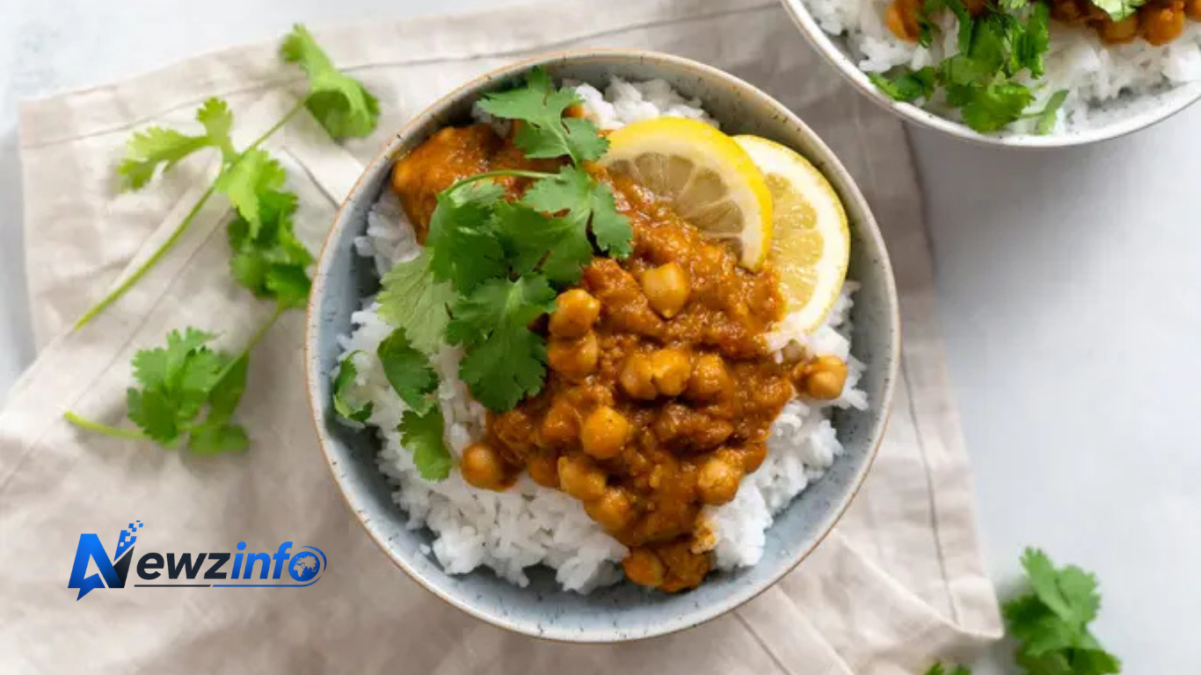
The Rise of Chana Masala Instant Pot Cooking
The arrival of the Instant Pot in the early 2010s changed the game for many cooks seeking authentic Indian flavours with modern convenience. Robert Wang’s multi-function electric pressure cooker, launched on Amazon in 2010, found an enthusiastic audience among busy families and food enthusiasts. Indian home cooks and professional chefs alike quickly recognised its potential for dishes that traditionally demand long cooking times.
Chana masala proved an ideal candidate. Dried chickpeas, once a multi-hour project, can now cook fully in the same pot as the gravy. Popular recipes typically begin with a sauté of whole spices (cumin seeds, bay leaf, black cardamom), followed by onions, ginger, garlic and tomatoes. Soaked chickpeas and water are then added, and the pot is set to high pressure for 30–45 minutes depending on the recipe and whether the beans were pre-soaked. A natural pressure release helps the chickpeas finish softening and the starches thicken the sauce naturally.
Food writers and bloggers celebrated the one-pot approach. Sites such as Piping Pot Curry, Rainbow Plant Life and America’s Test Kitchen published tested versions that delivered restaurant-style depth without constant stirring or monitoring of stove-top pressure cookers. The method also appealed to those new to Indian cooking, because the sealed environment concentrates aromas and reduces the risk of scorching. Collaborations between Instant Pot users and Indian recipe developers helped refine timings, spice balances and techniques for both dried and canned chickpeas, spreading the chana masala Instant Pot approach across home kitchens far beyond the subcontinent.
Challenges and Practical Turning Points
Even with modern equipment, a few common hurdles can affect results. Older or poorly stored dried chickpeas may remain stubbornly firm no matter how long they cook. Soaking for at least eight hours, or using a quick-soak method of boiling then resting, remains the most reliable solution. Forgetting to soak is a frequent frustration; many cooks now keep a jar of pre-soaked beans in the refrigerator or rely on high-quality canned chickpeas when time is short, adjusting liquid and pressure time accordingly.
Balancing heat and tang presents another learning curve. Traditional versions can be quite spicy, so recipes often suggest reducing green chillies or red chilli powder and finishing with a squeeze of lemon or a pinch of amchur for brightness. Too much water leaves a thin gravy; mashing a few chickpeas against the side of the pot or simmering on the sauté setting after pressure cooking quickly restores body. Deglazing the pot thoroughly after the sauté stage prevents the dreaded “burn” notice that can halt cooking mid-cycle.
These small adjustments build confidence. Many cooks report that once they master the basic sequence—sauté aromatics, add spices and tomatoes, pressure-cook chickpeas, finish with garam masala and fresh coriander—the dish becomes almost automatic. The process itself teaches resilience: a slightly undercooked batch can be returned to pressure for a few more minutes, while an overly thick one benefits from a splash of water or stock.
Serving Suggestions and Everyday Enjoyment
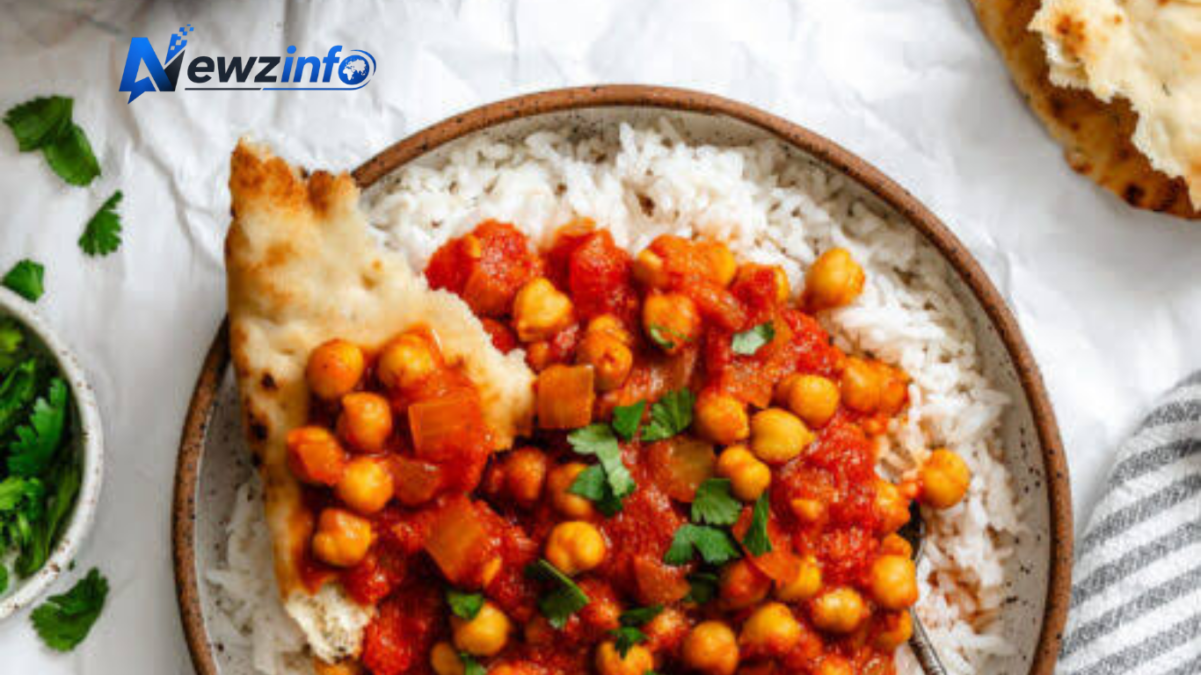
Publicly shared preferences show that chana masala is rarely eaten alone. It pairs classically with bhatura, puri or naan, but many households prefer it with steamed basmati or jeera rice for a lighter meal. A simple side of sliced red onion, green chilli and lemon wedges adds crunch and freshness. Some families finish the curry with a drizzle of ghee for richness, while others keep it strictly plant-based.
The dish travels well into packed lunches and freezes successfully, making it a practical choice for meal planning. Leftovers often taste even better the next day as the spices continue to meld. Home cooks frequently adapt the base recipe by adding cubed potatoes for aloo chana, or stirring in spinach for extra greens. These variations stay faithful to the spirit of the original while suiting different household tastes and dietary needs.
Contemporary Approaches and Ongoing Popularity
Recent years have seen continued refinement of the chana masala Instant Pot method. Test kitchens emphasise processing aromatics finely for a smoother base, reserving delicate spices such as garam masala until the end to preserve their aroma, and using a combination of water and canned tomatoes for consistent liquid levels. Some recipes brine the dried chickpeas overnight for more even cooking and better texture.
The dish also features in discussions around plant-based eating. Chickpeas supply substantial protein and fibre, while the spices contribute anti-inflammatory compounds. Nutrition data for a typical serving place it in the range of 250–330 calories depending on oil quantity and portion size, with notable amounts of iron, folate and dietary fibre. Its vegan and gluten-free profile has helped it appear on menus and in cookbooks aimed at broader audiences.
Online communities continue to share tips, from using Kashmiri chilli powder for colour without excessive heat to adding a tea bag for the traditional darker hue. The Instant Pot’s reliability has encouraged experimentation while preserving the dish’s essential character.
Quick Facts
| Detail | Information |
| Full Name | Chana Masala (also Chole Masala, Punjabi Chole) |
| Origin | Punjab region, northern India |
| Main Ingredient | White chickpeas (kabuli chana) |
| Key Flavours | Onion-tomato gravy, cumin, coriander, garam masala, amchur |
| Dietary Profile | Naturally vegan and gluten-free |
| Typical Instant Pot Time | 30–45 minutes high pressure (soaked dried chickpeas) |
| Known For | Hearty street food and home comfort dish |
| Best Served With | Rice, naan, bhatura or roti |
Lasting Appeal and Influence
Chana masala endures because it balances boldness with comfort. It showcases the ingenuity of Punjabi cooking while adapting gracefully to new tools and kitchens. The Instant Pot version has democratised access to a dish that once required more specialised equipment or time, allowing cooks outside India to experience authentic flavours without compromise.
Its influence appears in the way home cooks now approach other pulse-based curries—rajma, black-eyed peas, or mixed bean dishes—using the same one-pot pressure technique. Public perception remains warm: it is viewed as both everyday sustenance and a dish worth sharing with guests. Lessons from its journey include the value of patience with ingredients (proper soaking), the power of simple spice layering, and the quiet satisfaction of a meal that feeds both body and memory.
Conclusion
From its roots in the spice markets and home kitchens of Punjab to the sealed stainless-steel chamber of a modern Instant Pot, chana masala has travelled far while keeping its soul intact. The chana masala Instant Pot method offers a practical bridge between tradition and contemporary life, delivering tender chickpeas and a deeply flavoured gravy with minimal hands-on time. Whether you follow a classic Punjabi approach or a streamlined weeknight adaptation, the result is the same: a bowl that feels generous, aromatic and thoroughly satisfying.