Food
Mace Spice: The Elegant Sister of Nutmeg and Its Enduring Appeal

In the world of spices, few ingredients carry the quiet sophistication of mace. Often overshadowed by its better-known sibling, nutmeg, mace spice remains a favourite among cooks who value subtlety and depth. Derived from the same tropical tree, this golden-orange spice brings a refined warmth to both sweet and savoury dishes, earning its place in kitchens from Indonesia to Europe and beyond.
What keeps readers returning to mace is its dual nature. It is at once familiar and distinctive – a spice that can lift a simple custard or transform a rich curry without dominating the plate. Its story stretches from the remote Banda Islands to the tables of medieval Europe and modern professional kitchens, making it far more than a pantry staple. Understanding mace spice offers a window into centuries of trade, culinary tradition and careful craftsmanship.
Origins and Botanical Background
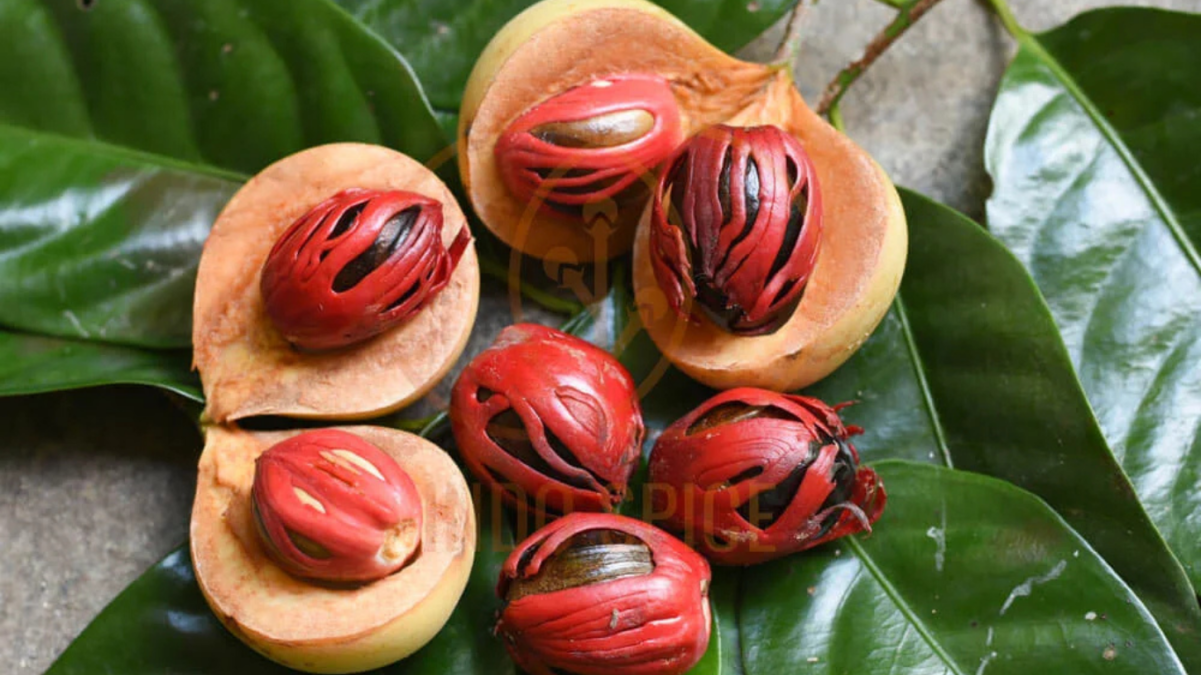
Mace comes from the nutmeg tree, Myristica fragrans, an evergreen native to the Banda Islands in the Maluku archipelago of Indonesia, historically known as the Spice Islands. The tree produces a fruit that resembles a small peach or apricot. When ripe, the fruit splits open to reveal a hard seed – nutmeg – wrapped in a bright red, lacy covering called an aril. That aril is mace.
After harvest, the aril is carefully removed by hand, flattened and dried for ten to fourteen days. During drying it changes from vivid crimson to a pale yellow, orange or tan. The resulting whole pieces are known as blades of mace. These can be used whole or ground into a fine powder. Because each fruit yields only a thin layer of aril, mace is produced in smaller quantities than nutmeg and has traditionally commanded a higher price.
The nutmeg tree thrives in tropical climates with rich volcanic soil and consistent rainfall. Today it is cultivated not only in Indonesia but also in Grenada, Sri Lanka, India, Vietnam and parts of the Caribbean and South America. Grenada, in particular, has made nutmeg and mace part of its national identity; the spice even appears on the country’s flag.

Historical Journey and Rise in Global Cuisine
Mace entered written records relatively late compared with some other spices. Early references appear in Byzantine medical texts of the sixth century, describing a red bark known as macis. Arab traders later carried it westward, protecting their monopoly with stories that kept the true source secret for centuries. By the Middle Ages, mace and nutmeg had become prized in European kitchens and apothecaries. Spices of this rarity signalled wealth; a single pound could cost as much as several fat oxen.
The European quest for direct access to the Spice Islands drove exploration and conflict. Portuguese sailors reached the Moluccas in the early sixteenth century, breaking the Arab hold on the trade. The Dutch East India Company later seized control, establishing a brutal monopoly over the Banda Islands. Wars, forced labour and the deliberate destruction of trees outside Dutch control marked this period. Only in the nineteenth century, when French and British planters successfully transplanted the trees to other tropical regions, did the monopoly finally collapse.
Despite its turbulent history, mace found a firm place in culinary traditions. It became a key ingredient in medieval European sauces, meat dishes and preserved foods. In Indian cuisine it forms part of garam masala and appears in biryanis and rich curries. Middle Eastern cooks use it in stews and pastries, while French chefs have long favoured it in custards, crème brûlée and light sauces where nutmeg might prove too forceful.
Challenges and Turning Points
The very scarcity that made mace valuable also created difficulties. Because the aril is thin and fragile, harvesting and drying require care. Improper drying can lead to mould or loss of aroma. In the colonial era, control of production meant violence and exploitation; the Banda Islands suffered population decline and environmental damage under Dutch rule.
Even after the monopoly ended, producers faced new pressures. Hurricanes in the Caribbean, particularly in Grenada, have repeatedly damaged crops. Modern challenges include maintaining quality standards, avoiding contamination and competing in a global market that demands consistency. Smallholder farmers, who still grow much of the world’s supply, must balance traditional methods with the requirements of international buyers.
Yet resilience has characterised the spice’s story. The spread of cultivation beyond Indonesia ensured supply, while careful grading systems – such as Grenada’s Fancy grade – help maintain reputation. Today’s focus on sustainable and ethical sourcing offers a quieter but important turning point, linking contemporary producers with consumers who value origin and quality.
Flavour Profile and Culinary Character
Mace offers a more delicate profile than nutmeg. It carries warm, woody notes with hints of citrus, clove, pepper and a subtle floral quality. The finish is slightly bitter and aromatic rather than heavily sweet. Many describe it as lighter and brighter than nutmeg, making it especially suited to dishes where a strong nutty note would overwhelm.
Whole blades release flavour slowly and suit long-cooked dishes such as stews, soups and braises. Ground mace is convenient for baking, spice blends and finishing sauces. Because it is potent, a little goes a long way; recipes often call for only a pinch or a single blade.
It pairs naturally with cinnamon, cloves, cardamom, ginger and black pepper. In sweet applications it enhances apple pies, custards, rice puddings and fruit cakes. In savoury cooking it lifts white sauces, fish dishes, poultry, lentils and vegetable sides. British and Scandinavian cooks have long used it in sausages and pickled foods, while Caribbean and Indian kitchens rely on its warmth in meat and rice preparations.
Modern Production and Everyday Uses
Indonesia remains the leading producer of mace, followed by significant contributions from India, Sri Lanka and Grenada. The spice reaches markets as whole blades or ground powder. Europe is a major importer, with Germany and the Netherlands playing key roles in distribution and re-export. Demand comes from both home cooks and the food industry, where mace appears in processed meats, baked goods, sauces and spice mixes.
In contemporary kitchens, mace continues to find new roles. Chefs value its ability to season pale sauces without darkening them. Home cooks add it to mulled wine, chai, roasted vegetables and even coffee. Its traditional use in preserving and pickling remains relevant, and small amounts appear in some commercial spice blends and ready meals.
While research explores potential antioxidant and digestive properties linked to compounds in Myristica fragrans, culinary use remains the primary and safest application. As with most spices, moderation is key; large medicinal doses have historically been associated with unwanted effects and are not recommended.
Quick Facts
| Detail | Information |
| Botanical Name | Myristica fragrans |
| Part Used | Dried aril (seed covering) of the nutmeg fruit |
| Common Forms | Whole blades, ground powder |
| Native Region | Banda Islands, Indonesia |
| Main Producing Countries | Indonesia, India, Sri Lanka, Grenada, Vietnam |
| Flavour Profile | Warm, woody, citrusy, floral, mildly peppery |
| Primary Culinary Uses | Baking, sauces, stews, spice blends, preserving |
| Related Spice | Nutmeg (the seed of the same fruit) |
Legacy and Lasting Impact
Mace spice endures because it occupies a distinctive place in the spice spectrum. It offers the comfort of nutmeg without the same intensity, allowing cooks greater control over flavour. Its history connects remote tropical islands with European courts, colonial ambition and the everyday pleasure of a well-seasoned dish.
In professional and home kitchens alike, mace is valued for precision. A single blade can perfume a pot of soup; a light dusting can elevate a custard. Public perception has shifted from rare luxury to accessible pantry item, yet its reputation for quality and subtlety remains intact. The lesson of its journey is one of adaptation: a spice that survived monopoly, conflict and changing tastes continues to enrich global cooking.
Conclusion
From the lacy red aril of a tropical fruit to the quiet warmth in a finished dish, mace spice has travelled a long and eventful path. Its story reflects the broader history of the spice trade while remaining firmly rooted in practical cooking. Whether used in a classic British baked pudding, an Indian biryani or a modern vegetable soup, it rewards careful handling and thoughtful pairing.