Food
Kung Fu Little Steamed Buns Ramen: The Story Behind New York’s Beloved Noodle House

In the bustling Theatre District of Manhattan, where neon lights compete with the constant flow of theatre-goers and office workers, one modest eatery has quietly built a devoted following. Kung Fu Little Steamed Buns Ramen, often simply called Real Kung Fu by regulars, sits on Eighth Avenue and delivers the kind of comforting, meticulously prepared Chinese food that keeps people returning. Its name may raise eyebrows at first — promising both little steamed buns and ramen — yet the reality is even more satisfying: expertly crafted xiao long bao (soup dumplings) and hand-pulled la mian noodles rooted in northern Chinese tradition.
What draws diners is not flashy décor or celebrity endorsements, but consistency and craft. The restaurant has earned a Michelin Bib Gourmand for good-quality cooking at a fair price, and its reputation rests on the skill of its founder and chef, Peter Song. Visitors still talk about watching the dough being stretched and folded in the open kitchen, the steam rising from bamboo baskets of dumplings, and the satisfying chew of freshly pulled noodles. In a city saturated with Asian restaurants, Kung Fu Little Steamed Buns Ramen continues to stand out because it prioritises technique and flavour over trends.
Readers remain interested because the story behind the restaurant is as compelling as the food. Song’s path from Chinese variety-show performer to New York chef illustrates the quiet determination many immigrants bring to the city’s culinary scene. The restaurant’s growth from a small Flushing operation to multiple locations reflects both popular demand and a commitment to keeping traditional methods alive.
Early Life and Background
Peter Song grew up in Fushun, a city in northeastern China. Public accounts describe a childhood that included performance from a young age. By his mid-teens he was appearing on televised variety shows, singing and dancing, and later took roles in Chinese films, including a comedy whose title roughly translates as “Don’t Talk to Me About Tall, Rich, Handsome Guys.”
Like many young performers, Song eventually looked beyond the stage. In the late 2000s he moved to New York, initially with an interest in film studies. Practical needs soon led him into restaurant work. He found a position at Lan Zhou Handmade Noodle, a stall inside the Golden Mall food court in Flushing, Queens. There he learned the demanding craft of hand-pulled noodles under the guidance of the owner, Andy Liu. The physical rhythm of stretching, folding and slapping dough became second nature, and Liu later became his business partner.
Song also returned to China to refine his skills under a master noodle maker. That combination of stage presence, technical training and immigrant grit laid the foundation for what would become Kung Fu Little Steamed Buns Ramen. The restaurant’s name itself nods both to the martial-arts precision of noodle-pulling and to the small, carefully steamed buns that form the other half of its identity.

Career and Rise to Fame
Song’s first kitchen opened in Flushing around 2008. The concept focused on authentic northern Chinese cooking: la mian hand-pulled noodles and Shanghai-style xiao long bao. Success there encouraged expansion. In December 2013 the Hell’s Kitchen location opened at 811 Eighth Avenue. Within months it attracted attention from major publications.
In April 2014 the New York Times published a Hungry City review by Ligaya Mishan. She noted that the “ramen” was not Japanese tonkotsu but Chinese la mian in its original form, and praised the “fantastically juicy, porky interiors” of the little steamed buns. Song, then 27, was described performing the noodle-pulling through a kitchen window, turning dough into long strands with theatrical yet precise movements. Time Out New York and other outlets followed, highlighting both the food and the chef’s unusual background as a former actor.
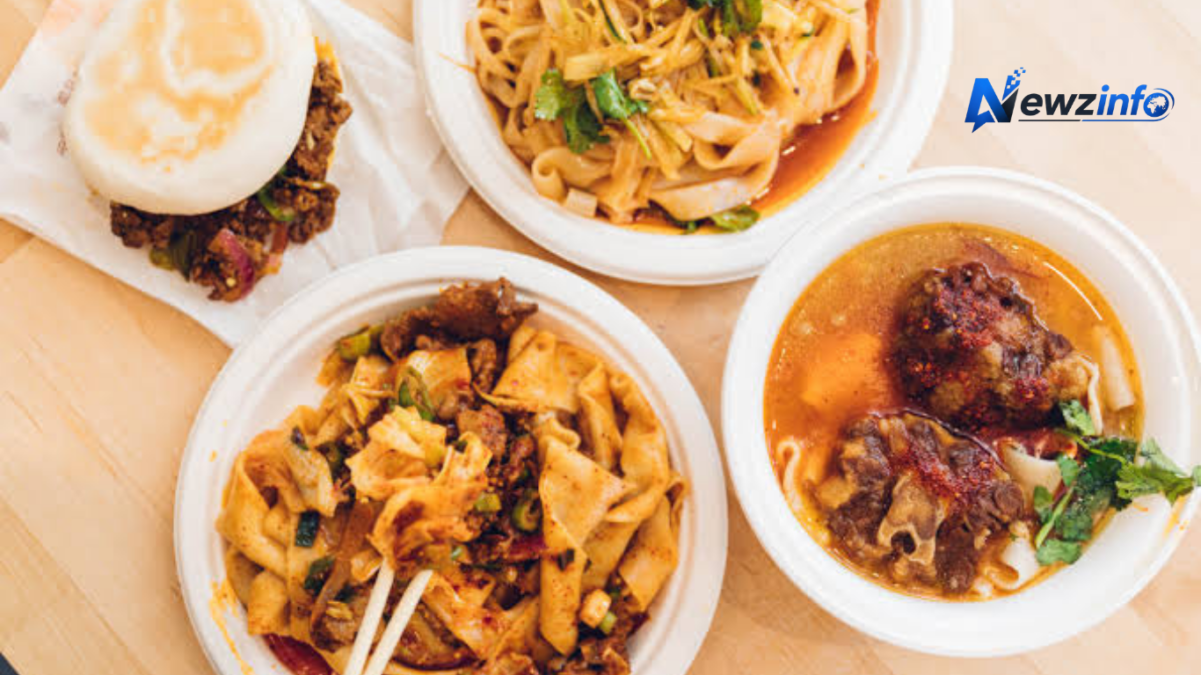
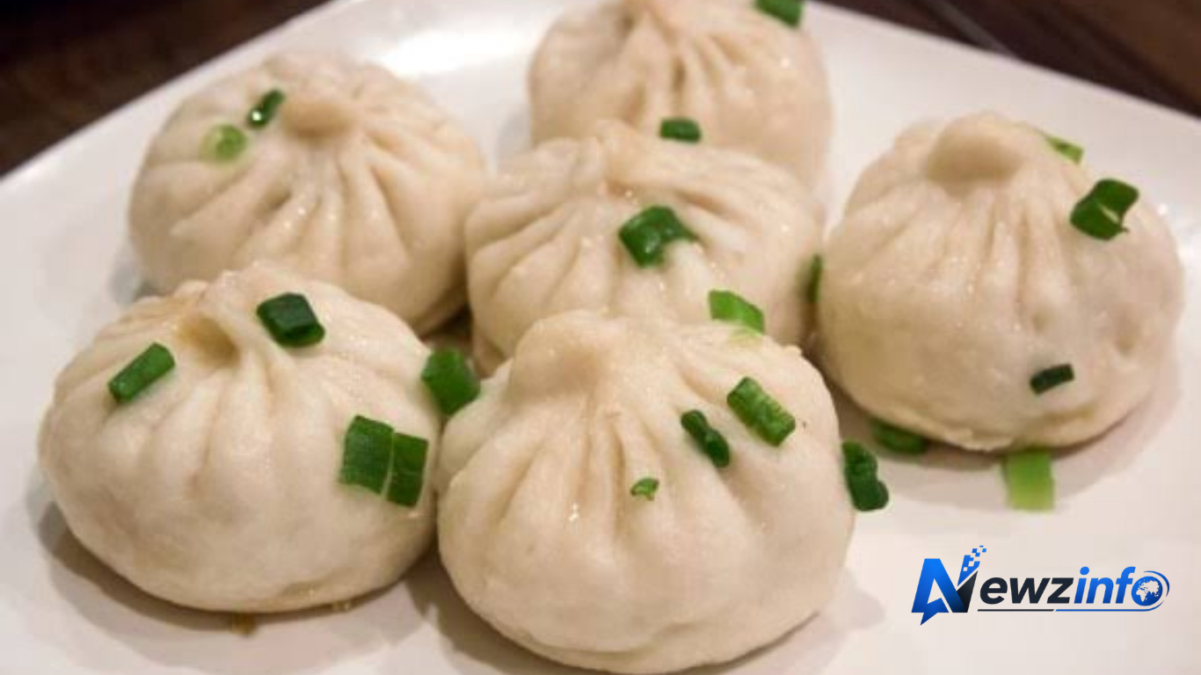
The restaurant quickly became known for its soup dumplings — thin-skinned parcels filled with pork (and sometimes crab or shrimp) and a rich broth that bursts on first bite — and for its range of noodle dishes. Hand-pulled or hand-cut dao xiao noodles appear in soups or stir-fried with beef, duck, shrimp or vegetables. Scallion pancakes stuffed with sliced beef, pan-fried Peking duck buns and herb-spiked pork-and-shrimp wonton soup rounded out a menu that felt both traditional and approachable.
Recognition continued with a Michelin Bib Gourmand, acknowledging the combination of quality and value. Diners and critics consistently praised the dumplings as among the best in the city outside Flushing, and the open-kitchen theatre of noodle-making became part of the experience. Collaborations were informal rather than high-profile; the focus remained on daily execution rather than celebrity partnerships. Public reputation settled on reliability, generous portions and the rare pleasure of watching skilled hands at work in a busy Manhattan setting.
Personal Challenges or Turning Points
Public information about Song’s personal difficulties is limited, as is common with many working chefs who prefer to let the food speak. The move from performing in China to kitchen labour in New York required adaptability. Learning a physically demanding craft from scratch, mastering the timing of soup dumplings so the skins remain delicate yet strong enough to hold broth, and building a business in a competitive neighbourhood all presented practical challenges.
The restaurant’s early days in Hell’s Kitchen involved the usual hurdles of a new independent spot: limited seating, cash-only service in the beginning, and the need to educate customers that the “ramen” was Chinese hand-pulled noodles rather than Japanese-style broth. Song’s decision to study further in China after starting in Flushing shows a deliberate effort to deepen technique rather than rest on early success. Resilience appears in the steady expansion that followed positive reviews, without abrupt changes of concept or quality.
Personal Life
Reliable public details about Song’s private life are sparse. He has spoken in interviews about his path from acting to cooking and the encouragement he received from his first New York employer. Beyond that, the focus remains on the restaurants. No widely confirmed information is available regarding marriage, children or family life beyond his professional partnership with Andy Liu. Statements to the press have centred on the craft of noodles and dumplings and the desire to share authentic northern Chinese flavours with New York diners.
Later Career and Current Activities
Kung Fu Little Steamed Buns Ramen has grown beyond its Hell’s Kitchen flagship. A second Manhattan location operates on East 55th Street in Midtown East. The brand, sometimes operating as Kung Fu Kitchen, has opened further sites including Brookline near Boston, Orlando and, more recently, New Haven, Connecticut. The menu at these outposts continues to feature the signature handmade xiao long bao, hand-pulled and hand-cut noodles, pan-fried buns and classic stir-fried dishes.
Recent years have seen continued media interest in the noodle-pulling process, with local television segments describing it as an art form. The restaurants maintain a casual, no-frills atmosphere suited to quick meals before a show or a satisfying lunch. Vegetarian options, including vegetable dumplings and noodle dishes made with vegetable broth on request, broaden the appeal. Delivery and takeaway remain popular, with careful packaging that keeps dumplings intact.
Charity work and formal advocacy are not prominently documented in public sources. The lasting professional activity is the consistent production of traditional dishes at accessible prices, supported by the Michelin recognition that continues to draw both locals and visitors.
Quick Bio
| Detail | Information |
| Full Name | Kung Fu Little Steamed Buns Ramen (Real Kung Fu / Kung Fu Kitchen) |
| Date of Opening (HK) | December 2013 |
| Place of Origin | Hell’s Kitchen, New York (flagship) |
| Nationality / Base | American (New York-based Chinese restaurant) |
| Profession | Chinese restaurant specialising in dumplings and hand-pulled noodles |
| Years Active | Circa 2008–present (Flushing origins; 2013 flagship) |
| Known For | Xiao long bao soup dumplings, la mian hand-pulled noodles, Michelin Bib Gourmand |
| Estimated Net Worth | Not publicly available |
Legacy and Lasting Impact
Kung Fu Little Steamed Buns Ramen matters because it demonstrates that careful, traditional Chinese cooking can thrive in the heart of Manhattan without compromising authenticity or value. Song’s transition from performer to chef embodies a broader immigrant narrative of reinvention through skill. The restaurant has influenced the local dining landscape by making high-quality soup dumplings and hand-pulled noodles readily available outside Queens, raising expectations for what a casual Chinese meal can deliver.
Public perception remains positive: a reliable neighbourhood spot that rewards both first-time visitors and regulars. The lesson from its journey is straightforward — mastery of a craft, patience with technique, and honest execution create lasting appeal. In a city that constantly chases the new, Kung Fu Little Steamed Buns Ramen reminds diners that some of the most rewarding experiences come from dishes that have been refined over generations and prepared with visible care.
Conclusion
From a small Flushing kitchen to a recognised presence in Hell’s Kitchen and beyond, Kung Fu Little Steamed Buns Ramen has carved out a distinctive place in New York’s food culture. Peter Song’s background as a performer gave him a sense of presentation, while years of practice at the noodle board and steamer basket produced food that speaks for itself. The combination of juicy little steamed buns and springy hand-pulled noodles continues to satisfy a wide range of diners seeking comfort, quality and a touch of culinary theatre.