Food
Is Southern Comfort Whiskey? The Truth Behind the Iconic Southern Spirit

Southern Comfort, often affectionately known as SoCo, has long occupied a distinctive place on liquor shelves and in the hearts of drinkers. With its smooth, fruity profile and bold Southern branding, it evokes images of New Orleans nights, college parties, and classic cocktails. But one question continues to spark debate among enthusiasts and casual sippers alike: is Southern Comfort whiskey?
The answer is nuanced. While it originated as a whiskey-based concoction and has returned to those roots in recent years, Southern Comfort is technically classified as a liqueur. This distinction lies at the heart of its fascinating story—one that spans more than 150 years of innovation, reformulation, ownership changes, and cultural moments. Far from a straightforward spirit, it represents a clever bartender’s attempt to tame harsh whiskey with fruit, spice, and sweetness.
In this feature, we explore the origins, evolution, and enduring appeal of Southern Comfort, separating fact from long-held assumptions.
The Origins of Southern Comfort
Southern Comfort traces its beginnings to 1874 in New Orleans, Louisiana. Irish-American bartender Martin Wilkes Heron (1850–1920), the son of a boat-builder, worked at McCauley’s Tavern in the Lower Garden District. Frustrated by the rough, unrefined whiskeys common at the time, Heron experimented by infusing them with fruits and spices to create something smoother and more approachable.

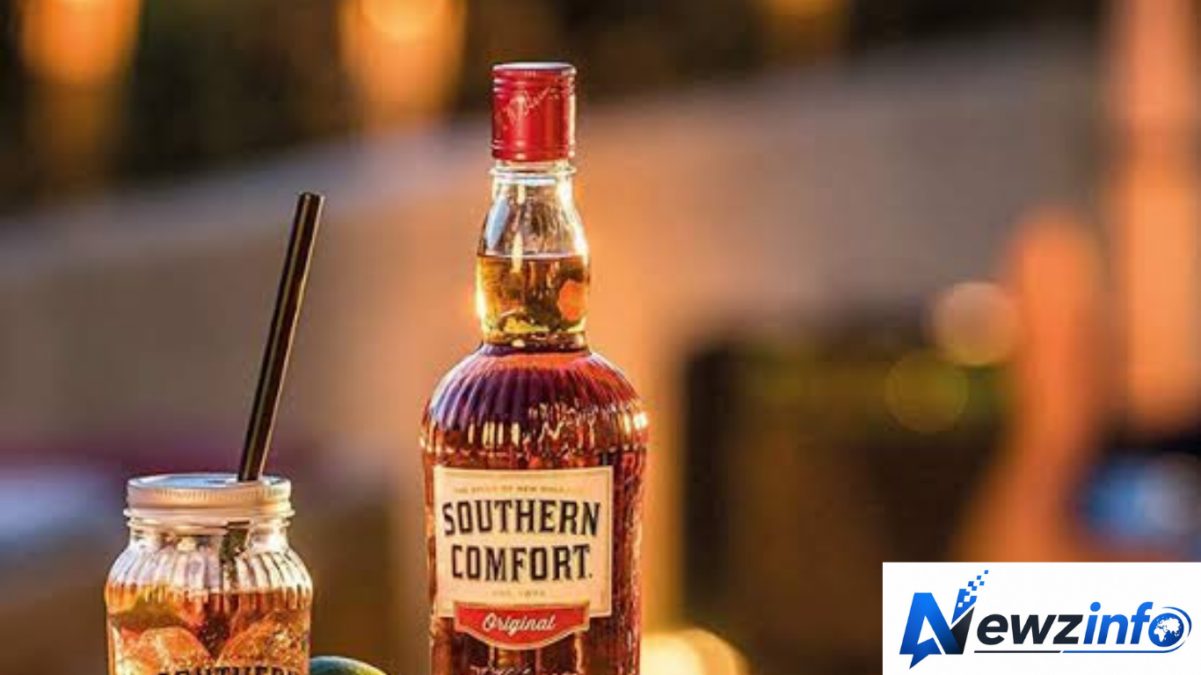
Originally dubbed “Cuffs and Buttons” (possibly referencing citrus peels as “cuffs” and cloves as “buttons”), the drink gained popularity locally. Heron later moved to Memphis, Tennessee, around 1889, where he patented his creation and began bottling it as Southern Comfort. The name paid homage to the American South, and labels proudly bore his signature alongside the slogan “None Genuine But Mine.”
Early recipes reportedly included whiskey as the base, enhanced with ingredients like vanilla, lemon, cinnamon, cherries, orange, and honey. This secret blend aimed to mask imperfections in lower-quality whiskey while delivering a delightful, easy-drinking experience. Heron’s innovation quickly earned recognition, including a gold medal at the 1904 St. Louis World’s Fair.
Early Challenges and the Prohibition Era
Like many spirits, Southern Comfort faced significant hurdles. Heron died in 1920, just months after Prohibition began in the United States. Production halted during the dry years, but the brand’s legacy endured through surviving bottles and recipes.
Post-Prohibition, the Fowler family in St. Louis revived the brand after discovering an old bottle. They worked to recreate the formula, and Southern Comfort found new life. One notable cultural tie came in 1939 with the release of Gone with the Wind. The Scarlett O’Hara cocktail—Southern Comfort, cranberry juice, and lime—became a hit, cementing the brand’s place in American pop culture.
Throughout the mid-20th century, ownership changed hands multiple times. By the time Brown-Forman acquired it in 1979, the formula had shifted. For decades, the base changed from whiskey to neutral grain spirit (similar to vodka), with whiskey flavouring added in small amounts. This made it more affordable but distanced it further from its whiskey origins.
Is Southern Comfort Whiskey? Understanding the Classification
To answer the central question directly: Southern Comfort is not technically a whiskey. Under U.S. regulations, whiskey must meet specific criteria, including being distilled from a grain mash, aged in oak barrels (for certain types), and bottled at a minimum strength without excessive added flavourings or sweeteners that alter its character.
Southern Comfort is classified as a liqueur because of its added fruit flavours, spices, and sweetness. Even when using a whiskey base—as it does now—the infusions and sugar content push it into the liqueur category. Many versions, including the popular 70-proof Original (35% ABV), fall below the 40% ABV threshold often required for straight whiskey labelling.
That said, higher-proof variants like Southern Comfort Black (80 proof) and 100 Proof come closer to whiskey territory. Since Sazerac Company acquired the brand in 2016 for around $543 million (along with Tuaca), they restored a genuine whiskey base in 2017, drawing from North American whiskeys in their portfolio. This brought it closer to Heron’s original vision while retaining the signature peach, orange, and spice notes.
The brand’s marketing has sometimes blurred these lines, positioning it near traditional whiskeys on shelves and emphasising its “whiskey flavour profile.” This has contributed to the common misconception.
Cultural Impact and Popularity
Southern Comfort’s appeal extends far beyond its technical classification. It became a staple in bars and at parties, known for mixability. Iconic cocktails include the Alabama Slammer and variations of the Scarlett O’Hara. Musician Janis Joplin was famously associated with the brand; Southern Comfort reportedly gifted her a lynx fur coat in appreciation of her promotion.
Its fruity sweetness made it accessible to a broad audience, particularly younger drinkers and those new to spirits. While serious whiskey connoisseurs might find it too sweet for neat sipping, it shines in mixed drinks and shots. Flavoured variations (such as lime or caramel) were introduced under Brown-Forman but later discontinued by Sazerac to refocus on core offerings.
Recent Developments and Reformulation
The 2016 acquisition by Sazerac, a New Orleans-based company with deep roots in the spirits industry (owners of Buffalo Trace), marked a homecoming. They emphasised authenticity by reintroducing whiskey as the base spirit. This change appealed to consumers seeking a more “premium” or historically accurate product.
Today, Southern Comfort offers several expressions, including the Original 70 Proof, Black, and 100 Proof. There are also lower-alcohol malt-based and wine-based versions in some markets for broader retail availability. The brand continues to evolve while honouring its heritage, with packaging updates that retain Southern charm without outdated plantation imagery.

Quick Facts
| Detail | Information |
| Full Name | Southern Comfort (often SoCo) |
| Date of Birth (Introduced) | 1874 |
| Place of Birth | New Orleans, Louisiana, USA |
| Nationality | American |
| “Profession” | Whiskey liqueur / Fruit-flavoured spirit |
| Years Active | 1874–present |
| Known For | Smooth, fruity profile; cocktails like Scarlett O’Hara; Southern heritage |
| Current Owner | Sazerac Company |
| Estimated Net Worth | N/A (brand value part of larger portfolio) |
Legacy and Lasting Impact
Southern Comfort’s story reflects broader trends in the spirits industry: innovation to improve drinkability, adaptation to economic pressures (like Prohibition and wartime shortages), and periodic returns to tradition. It influenced cocktail culture and demonstrated how a flavoured spirit could achieve mainstream success.
Conclusion
While debates about its classification persist, its cultural footprint is undeniable. It remains a gateway spirit for many, blending accessibility with a touch of Southern mystique. The brand’s resilience through ownership changes and reformulations highlights the power of a strong origin story and adaptable recipe.
In an era of craft distilleries and premium whiskeys, Southern Comfort stands out as a reminder that not every great drink needs to fit neatly into one category. It’s a liqueur with whiskey DNA—smooth, sociable, and unapologetically its own.