Food
How to Reheat Steak Without Losing Flavour or Juiciness

Leftover steak can feel like a small triumph or a quiet disappointment, depending on how you bring it back to life. A perfectly cooked ribeye or sirloin from the night before deserves better than a dry, grey, rubbery second act. Knowing how to reheat steak properly means recovering that tender texture, rich flavour and satisfying bite instead of settling for something that only vaguely reminds you of the original meal.
Whether you grilled it, pan-seared it or ordered it in a restaurant, the goal is the same: gentle, even heat that warms the centre without overcooking the exterior or driving out the moisture. Done well, reheated steak can come remarkably close to its freshly cooked state. Done poorly, it becomes tough and lacklustre. The techniques below are practical, reliable and grounded in basic kitchen science rather than gimmicks.
Why Proper Reheating Matters
Steak is mostly muscle fibre and fat. High heat after the initial cook forces out remaining juices and tightens the proteins further. That is why a microwave on full power or a searing-hot pan often ruins leftovers. Low-and-slow methods, or a combination of gentle warming followed by a brief finish, preserve more of the original quality. Resting the steak after reheating also helps the juices redistribute.
The best approach depends on the cut, thickness and how the steak was cooked originally. Thicker pieces respond better to the oven. Thin slices can manage the stovetop. An air fryer works for those who want speed and crisp edges. Whatever method you choose, start with steak that has been stored correctly in an airtight container in the fridge and ideally used within three to four days.

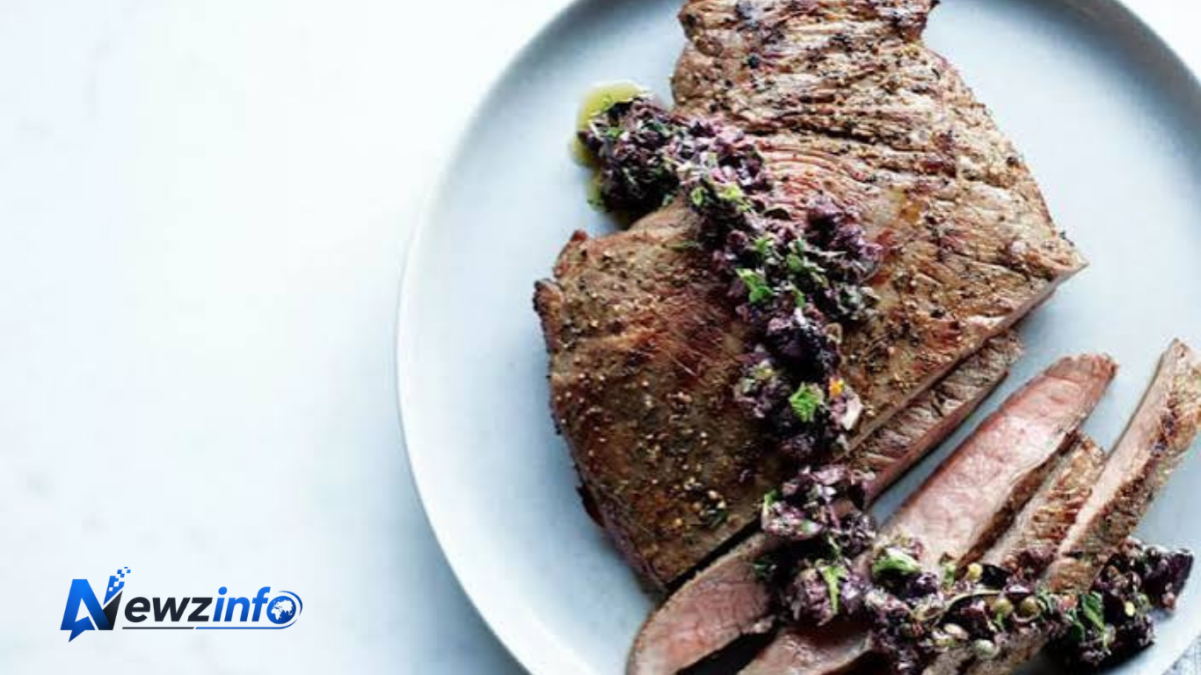
Oven Method: The Most Reliable Way
The oven is widely regarded as the gentlest and most consistent way to reheat steak. It warms the meat evenly without aggressive surface heat.
Preheat the oven to around 120–135°C (250–275°F). Place a wire rack on a baking tray so air can circulate underneath the steak. If the steak is quite thick, you can wrap it loosely in foil to reduce drying, though many prefer it unwrapped for a better crust later. Add a small splash of beef stock or a knob of butter if the steak looks particularly dry.
Heat for 20–30 minutes, checking the internal temperature with a probe if you have one. Aim for roughly 50–55°C for medium-rare, adjusting according to your preference and the original doneness. Once warmed through, you can optionally finish it in a hot pan or under the grill for 30–60 seconds per side to restore colour and texture.
This method works especially well for ribeye, sirloin and thicker fillet steaks. It requires a little patience but rewards you with results closest to the original cook.
Stovetop Method: Quick and Controlled
For thinner steaks or when you need results faster, the stovetop is effective. Use a heavy frying pan or cast-iron skillet over medium-low heat. Add a small amount of oil or butter. Place the steak in the pan and warm it for a couple of minutes on each side, pressing gently so it makes good contact. Cover the pan briefly if you want more even heating.
Avoid high heat. The aim is to warm, not to cook further. A quick sear at the end can revive the exterior. Some cooks add a splash of stock or water and cover the pan for a short steam effect before finishing uncovered. This helps retain moisture while still giving a pleasant surface.
This approach suits thinner cuts and those who prefer more hands-on control. Watch carefully so the steak does not toughen.
Air Fryer Method: Convenient and Crisp
Air fryers have become popular for reheating because they circulate hot air efficiently. Preheat to about 160–175°C. Place the steak in the basket in a single layer and heat for 3–5 minutes, flipping halfway. Check earlier rather than later; air fryers vary and can dry meat if left too long.
A light brush of oil beforehand helps the surface. The result is often a pleasantly crisp exterior with a warmed centre. It works well for medium-thick steaks and is faster than the oven. Just do not overcrowd the basket.
Microwave Method: Last Resort Only
The microwave is the least ideal option for steak. It heats unevenly and can quickly turn meat rubbery. If you must use it, place the steak on a microwave-safe plate, cover it loosely with a damp paper towel or microwave-safe lid, and use a low power setting (around 50%). Heat in short 20–30 second bursts, turning the steak between intervals. Stop as soon as it is warm. Follow with a brief pan sear if possible to improve texture.
This method is better than nothing when time is extremely limited, but the oven or stovetop will almost always give superior results.
Sous Vide or Water Bath for Precision
If you have a sous vide setup or simply a pot of water and a zip-lock bag, you can reheat steak with excellent precision. Seal the steak (optionally with a little butter or oil) and place it in water heated to just below the original finished temperature—typically 50–55°C for medium-rare. Leave it for 30–60 minutes depending on thickness. Finish with a hot pan sear for colour and flavour.
This is one of the most reliable ways to preserve juiciness, though it takes more equipment and time than everyday methods.
Tips for Better Results Every Time
- Bring the steak out of the fridge 15–20 minutes before reheating so it is not ice-cold.
- Slice thicker steaks against the grain after reheating if serving for sandwiches or salads; this shortens the muscle fibres and improves tenderness.
- Add moisture deliberately: a little butter, stock, or even a spoonful of the original pan juices helps.
- Rest the steak for a few minutes after reheating, just as you would after the first cook.
- Season lightly at the end if needed. Salt can draw out moisture if added too early during reheating.
- Pair reheated steak with something that adds contrast—fresh salad, creamy mash, or a sharp sauce—to balance any slight loss of intensity.
Common Mistakes to Avoid
Reheating at high temperatures is the most frequent error. It overcooks the outer layers while the centre remains cool. Leaving the steak uncovered in a dry oven for too long also dries it out. Microwaving on full power almost always produces disappointing texture. Trying to reheat very thin or already well-done pieces multiple times compounds the problem.
Another pitfall is expecting reheated steak to match a just-cooked one perfectly. Some moisture loss is inevitable. The techniques above minimise that loss rather than eliminate it entirely.
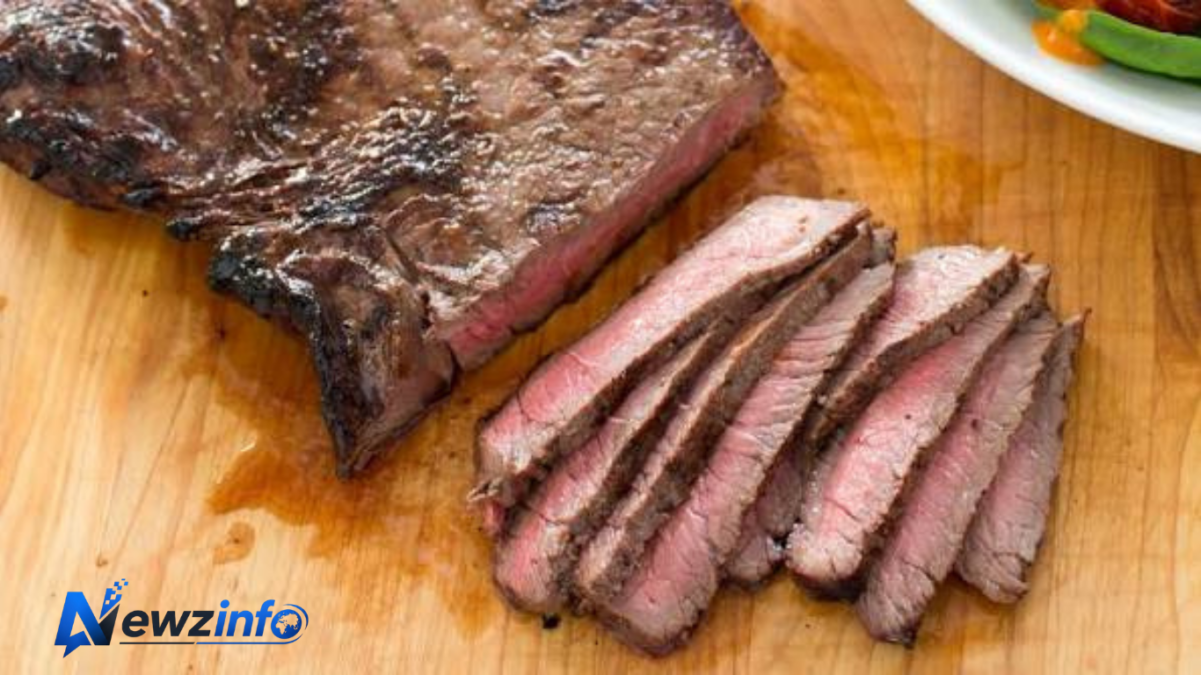
Storage Before Reheating
How you store the steak matters as much as how you reheat it. Cool leftovers quickly, then refrigerate in an airtight container within two hours of cooking. If the steak came with juices, keep them. They can be added back during reheating. Freezing is possible for longer storage: wrap tightly and use within a couple of months. Thaw overnight in the fridge before reheating.
Serving Ideas for Reheated Steak
Once warmed, sliced steak works beautifully in sandwiches, grain bowls, salads or tacos. Whole steaks can be served with classic accompaniments—chips, greens, peppercorn sauce or a simple compound butter. Reheated steak also makes an excellent base for steak and eggs the next morning if you keep the temperature moderate.
Conclusion
Knowing how to reheat steak transforms leftovers from a compromise into something genuinely enjoyable. The oven method remains the most dependable for most home cooks, delivering even warmth and better texture retention. The stovetop and air fryer offer speed when needed, while precision approaches such as a water bath reward those with the right tools. Gentle heat, a little added moisture and careful timing are the consistent themes.