Food
Healthy Sides for Burgers and Hotdogs: Fresh Ideas for Lighter Meals

Burgers and hotdogs sit firmly at the heart of casual British summer eating. Whether you’re firing up the barbecue in the garden, heading to a park picnic or simply craving comfort food on a weeknight, these classics deliver satisfaction. Yet many of us now look for ways to balance the richness without losing the fun. Choosing thoughtful, healthy sides for burgers and hotdogs makes all the difference.
The right accompaniments can turn a heavy plate into something fresher, more colourful and still deeply enjoyable. Think crisp salads that cut through the savoury meat, roasted vegetables that add natural sweetness, and lighter slaws that bring crunch without the usual mayonnaise overload. These options keep the meal feeling special while supporting a more balanced approach to eating.
This guide explores practical, flavourful healthy sides that work equally well with classic beef burgers, chicken versions, plant-based patties or traditional hotdogs. Everything is designed to be straightforward to prepare, using ingredients that are easy to find in UK shops.
Why Healthy Sides Matter
A typical burger or hotdog already brings protein, bread and often cheese or sauces. Adding heavy chips or creamy coleslaw can tip the meal into something that leaves you feeling sluggish. Lighter sides introduce fibre, vitamins and contrasting textures that make each bite more interesting. They also help with portion control—when the plate looks full and appealing, you’re less likely to overdo the main item.
Seasonality plays a useful role too. In summer, salad leaves, cucumbers and tomatoes are at their best. Later in the year, roasted root vegetables or warm grain salads bring comfort without heaviness. The goal is never to eliminate enjoyment but to give the classic favourites better company.
Fresh and Crunchy Salad Options
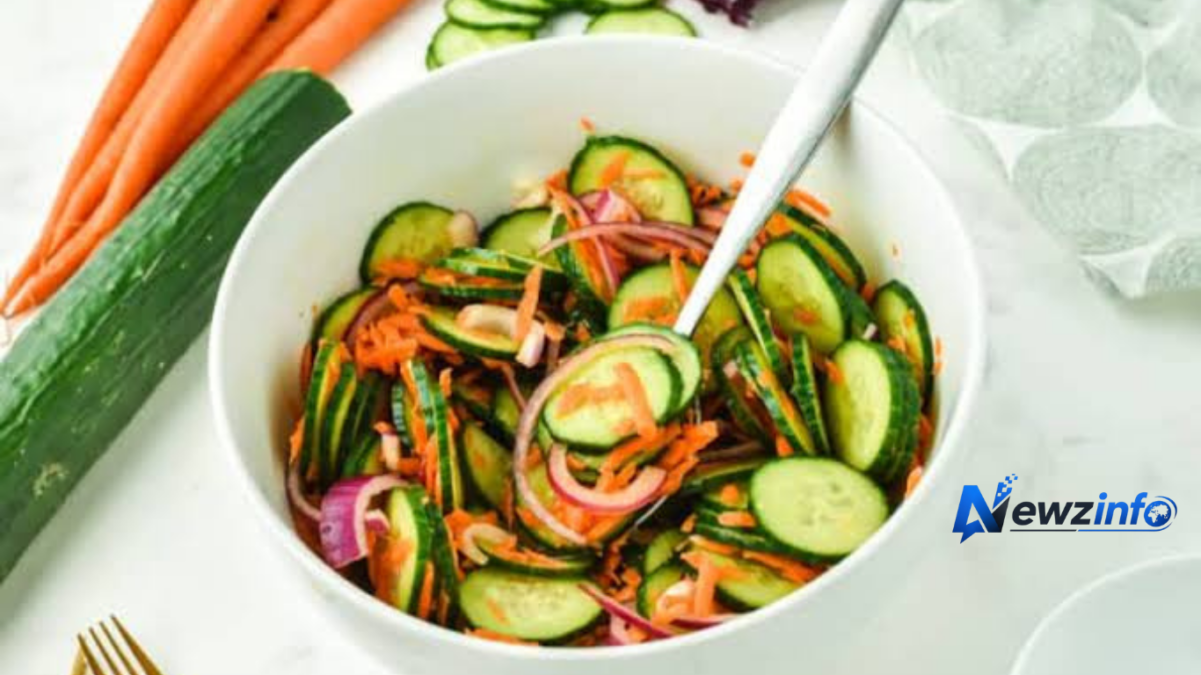
A well-dressed green salad remains one of the simplest healthy sides for burgers and hotdogs. Start with mixed leaves—rocket adds a pleasant peppery note, while baby spinach offers mild earthiness. Thinly sliced cucumber, radish and spring onion bring freshness and crunch. A light dressing of extra-virgin olive oil, lemon juice, a touch of Dijon mustard and a pinch of sea salt keeps things bright without drowning the greens.
For something more substantial, try a chopped salad with cherry tomatoes, cucumber, red onion and crumbled feta. The salty cheese pairs beautifully with a beef burger, while the vegetables keep the overall plate lighter. A scattering of toasted pumpkin seeds adds texture and a mild nutty flavour.
Another reliable choice is a simple tomato and red onion salad. Thickly sliced ripe tomatoes, thinly sliced red onion and a handful of fresh basil, dressed with olive oil and balsamic vinegar, provide acidity that cuts through rich meat or sausages. This side works especially well with hotdogs, echoing the classic toppings but in a more vegetable-forward form.

Lighter Takes on Classic Slaw
Traditional coleslaw can be heavy. A healthier version swaps most of the mayonnaise for Greek yoghurt mixed with a little olive oil, lemon juice and a teaspoon of mustard. Finely shredded white and red cabbage, grated carrot and a little apple for sweetness create a crisp, tangy result that still feels familiar. The yoghurt brings protein and a creamier texture without the same calorie load.
For an Asian-inspired twist, toss shredded cabbage and carrot with rice vinegar, a drizzle of sesame oil, grated ginger and a sprinkle of toasted sesame seeds. This version stays light and refreshing, making it an excellent match for both burgers and hotdogs. It also holds up well if prepared a few hours ahead, which is useful for gatherings.
Roasted and Grilled Vegetable Sides
Oven-roasted or barbecue-grilled vegetables add warmth and depth. Courgettes, peppers, aubergine and red onion, tossed in a little olive oil, salt and smoked paprika, become soft and slightly charred. Serve them alongside the main items or even pile a few on top of a burger for extra flavour.
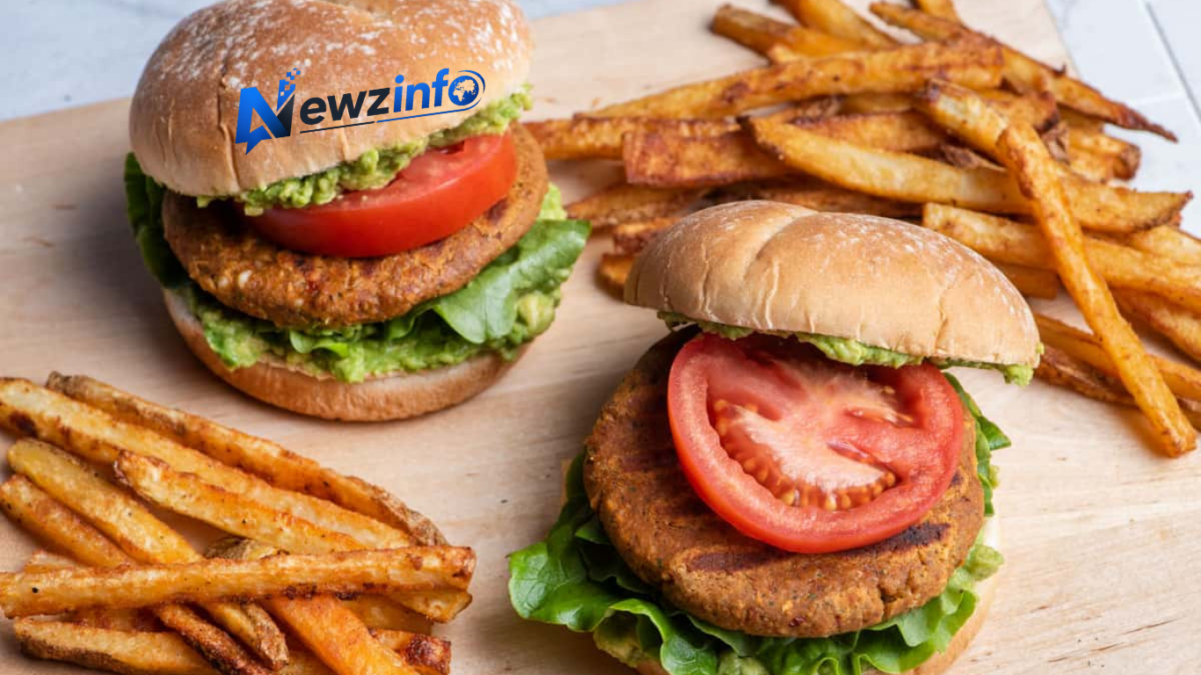
Sweet potato wedges offer a more nutritious alternative to regular chips. Cut into thick batons, toss with olive oil, rosemary and a little cumin, then roast until the edges crisp. They deliver natural sweetness that complements savoury meat beautifully and provide more fibre and vitamins than standard potatoes.
Corn on the cob remains a perennial favourite. Grilled until lightly charred and brushed with a little olive oil and fresh herbs, it feels indulgent yet remains relatively light. For a lower-mess option, cut the kernels off after cooking and mix them into a simple salad with lime juice and coriander.
Grain and Bean-Based Options
A modest serving of cooked quinoa or bulgur wheat mixed with chopped herbs, cucumber, tomato and a lemony dressing creates a satisfying side that adds substance without heaviness. These grains bring extra fibre and a pleasant chew that contrasts with soft buns.
A simple three-bean salad—using drained and rinsed tinned beans such as cannellini, kidney and green beans—dressed with olive oil, red wine vinegar, garlic and parsley offers plant-based protein and stays filling. It pairs particularly well with plant-based burgers or hotdogs and can be made ahead.
Fruit and Unexpected Twists
Fresh fruit can surprise in the best way. Grilled peach or nectarine halves develop a lovely caramelised edge and pair wonderfully with a beef or chicken burger. A small bowl of watermelon cubes with a squeeze of lime and a few mint leaves offers cooling contrast on a hot day.
Pickled elements also lift the plate. Quick-pickled red onions or cucumber slices, made with vinegar, a little sugar and salt, add sharpness that cuts through richness. They take only minutes to prepare and keep in the fridge for several days.
Practical Tips for Serving and Preparation
Aim for variety on the table so guests can build their own plates. Offer at least two or three different sides rather than one large portion of the same thing. This approach keeps things interesting and encourages people to take more vegetables.
Preparation timing matters. Many of these sides can be made a few hours ahead and kept chilled. Dress leafy salads just before serving so the leaves stay crisp. Roasted vegetables can be served warm or at room temperature, which is convenient for outdoor eating.
Portion awareness helps too. Serve sides in separate bowls so people can take what they want rather than having everything piled high on one plate. This simple step often leads to more balanced plates without anyone feeling restricted.
When using the barbecue, cook vegetable sides after the meat or use a separate area of the grill to avoid cross-contamination of flavours if preferred. For indoor cooking, a hot oven or griddle pan delivers excellent results with minimal fuss.
Making Healthy Sides Work for Different Diets
Most of the ideas above adapt easily. For gluten-free needs, simply choose appropriate buns or serve the main items open-faced and focus on the vegetable and salad sides. Dairy-free versions replace yoghurt or feta with plant-based alternatives or omit them entirely. Vegan diners will appreciate the grain salads, roasted vegetables and yoghurt-free slaws.
Seasonal shopping keeps costs reasonable and flavour high. In British summer, local tomatoes, cucumbers, courgettes and soft fruit are plentiful. In cooler months, root vegetables, cabbage and stored apples come into their own.
Conclusion
Choosing healthy sides for burgers and hotdogs does not mean sacrificing the pleasure of these familiar favourites. Fresh salads, lighter slaws, roasted vegetables, thoughtful grain dishes and a few unexpected fruit or pickle options all bring colour, texture and nutrition to the plate. They make the meal feel more complete while keeping it lighter and more satisfying.