Fashion
Giorgio Armani Foundation: Preserving a Legacy of Elegance and Impact

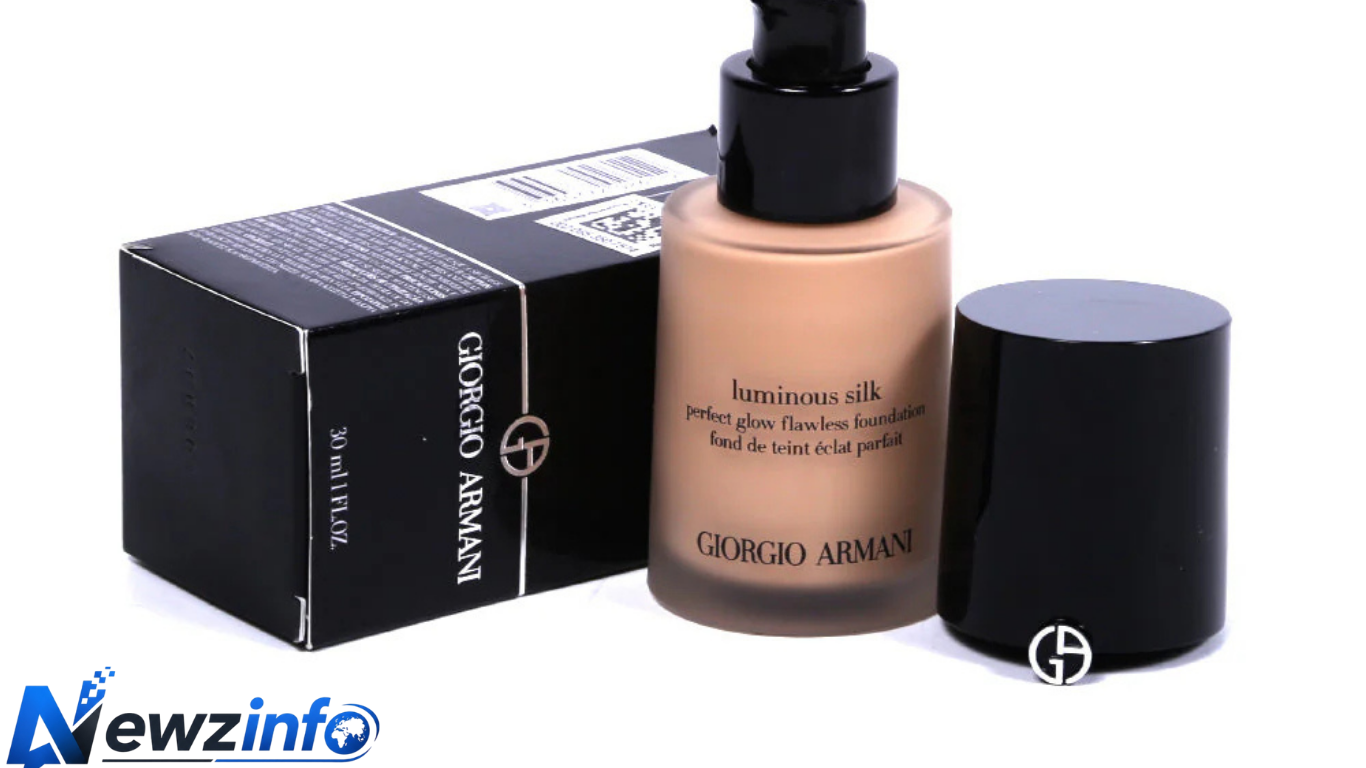
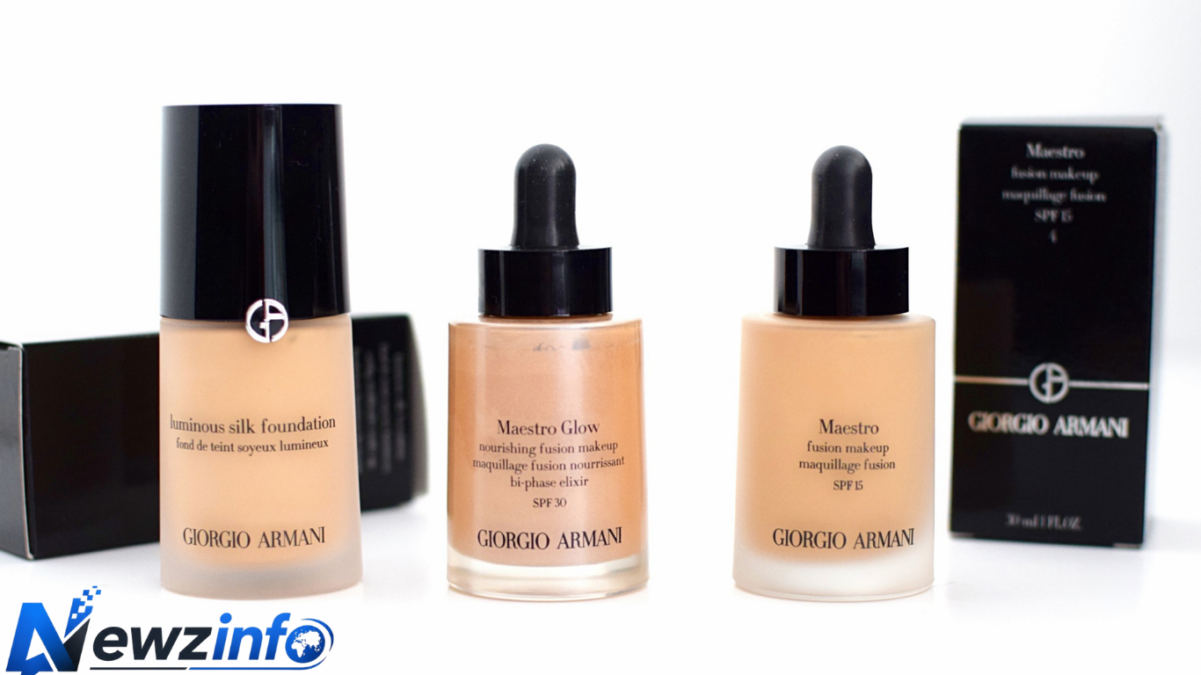
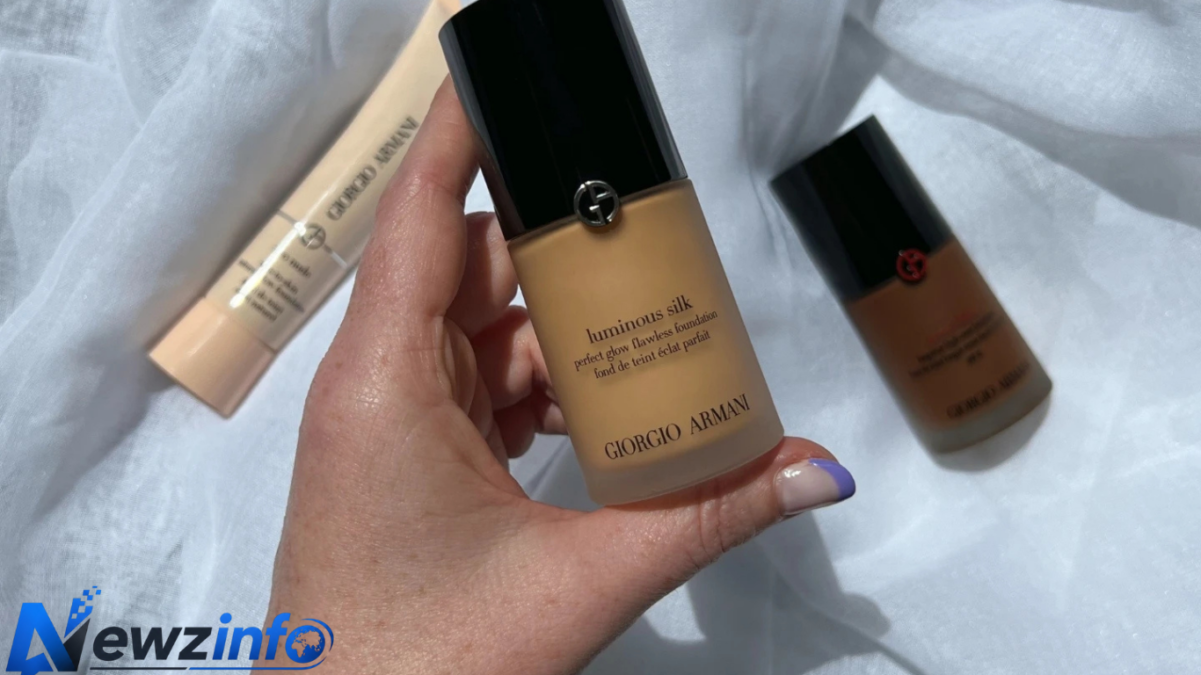
The name Giorgio Armani has long been synonymous with understated luxury, tailored sophistication, and a transformative approach to modern fashion. Even after the designer’s passing in September 2025, interest in his enduring contributions remains strong. Central to the future of his empire is the Giorgio Armani Foundation, an entity established to safeguard the brand’s independence while channelling resources into philanthropic endeavours.
This foundation represents more than a corporate structure; it embodies Armani’s vision for continuity, ethical governance, and social responsibility. For fashion enthusiasts, biography readers, and those drawn to stories of remarkable careers, the Giorgio Armani Foundation offers insight into how one man’s creative genius continues to shape industry standards and give back to society.
Early Life and Background
Giorgio Armani was born on 11 July 1934 in Piacenza, Italy, to Ugo Armani, an accountant for a transport company, and Maria Raimondi. He grew up with an older brother, Sergio, and a younger sister, Rosanna, experiencing the hardships of World War II in modest circumstances. One particularly traumatic childhood incident involved playing with an unexploded artillery shell, which detonated, severely burning Armani and claiming the life of a close friend.
The family later moved to Milan. Armani attended the Liceo Scientifico Leonardo da Vinci and initially pursued medical studies at the University of Milan. However, after three years, he left to serve in the Italian Army, where his medical background led to an assignment at a military hospital in Verona. Exposure to opera at the Arena di Verona further broadened his cultural horizons, but he soon sought a different path.
Career and Rise to Fame
Armani’s entry into fashion began in 1957 as a window dresser and sales clerk at La Rinascente, Milan’s premier department store. There, he gained invaluable experience in merchandising and marketing. In the mid-1960s, he joined Nino Cerruti, designing menswear while freelancing for various manufacturers.
A pivotal partnership formed in the early 1970s with Sergio Galeotti, leading to the founding of Giorgio Armani S.p.A. in 1975. Their first ready-to-wear collections for men and women marked a departure from rigid tailoring towards softer, more relaxed silhouettes that emphasised comfort and modernity. The 1980 film American Gigolo, featuring Richard Gere in Armani’s designs, catapulted the brand to international prominence.
Major milestones included the launch of diffusion lines like Emporio Armani, Armani Jeans, and A/X Armani Exchange, alongside expansions into accessories, perfumes, cosmetics, and home furnishings. Armani dressed stars for red carpets and designed costumes for over 100 films, including The Untouchables. His influence extended to sports uniforms and hotel interiors, solidifying a lifestyle brand.
Recognition came through numerous awards, including the Order of Merit of the Italian Republic. Time magazine featured him on its cover, and retrospectives, such as at the Guggenheim, celebrated his impact. Armani’s minimalist aesthetic redefined elegance for the late 20th and early 21st centuries.
Personal Challenges or Turning Points
Armani faced personal and professional hurdles. The death of his long-term partner Sergio Galeotti in 1985 was a significant loss, both emotionally and professionally. Health challenges, including a hepatitis diagnosis around 2009, prompted reflection on his well-being and the company’s future.
The designer was open about the pressures of the industry. In 2007, following the death of a model from anorexia, he banned underweight models from his shows, advocating for healthier standards. Economic shifts and the demands of a global empire tested resilience, yet Armani consistently prioritised quality, independence, and innovation.
Personal Life
Armani maintained a notably private personal life. He shared a long-term relationship with Sergio Galeotti until Galeotti’s death. He had no children. His immediate family included his sister Rosanna and relatives such as nieces Silvana and Roberta Armani, and nephew Andrea Camerana, several of whom have been involved in the business.
Public statements emphasised dedication to work and a preference for a focused, independent life. Family members and close collaborators played key roles in both personal and professional spheres.
Later Career and Current Activities
In his later years, Armani continued to lead creatively, introducing fine jewellery collections and engaging with sustainable practices, such as the Green Carpet Challenge. The brand ventured into hotels, restaurants, and sports ownership, including the Olimpia Milano basketball team.
Charity work formed a consistent thread, supporting causes related to AIDS research, refugees (as a UNHCR Goodwill Ambassador), poverty alleviation, and disaster relief. Initiatives like Acqua for Life addressed clean water access. During the COVID-19 pandemic, Armani donated significantly and repurposed production for medical needs.
The Giorgio Armani Foundation, established in 2016, became central to his later vision. It safeguards the company’s governance, ensuring autonomy, ethical management, and continuity while directing resources toward public and social projects.
Quick Bio
| Detail | Information |
| Full Name | Giorgio Armani |
| Date of Birth | 11 July 1934 |
| Place of Birth | Piacenza, Italy |
| Nationality | Italian |
| Profession | Fashion designer, entrepreneur |
| Years Active | 1975–2025 |
| Known For | Armani fashion empire, minimalist tailoring, red-carpet style |
| Estimated Net Worth | Approximately $12.1 billion at time of death (Forbes) |
Legacy and Lasting Impact
The Giorgio Armani Foundation ensures that Armani’s principles—independence, excellence, innovation, and social responsibility—endure. By placing company shares within the foundation, Armani protected the brand from fragmentation while enabling ongoing philanthropy.
His influence on fashion is profound: deconstructed suits, neutral palettes, and effortless elegance shaped generations of designers and consumers. Armani democratised luxury through ready-to-wear while maintaining exclusivity. Public perception remains one of timeless sophistication and quiet strength. His life offers lessons in resilience, creative integrity, and thoughtful succession planning.
Conclusion
The Giorgio Armani Foundation stands as a testament to a visionary who built more than a fashion house—he created a lasting cultural and ethical framework. From humble beginnings in Piacenza to a global empire, Armani’s journey highlights the power of conviction and adaptability. As the foundation guides the brand forward, it continues to honour his commitment to beauty, responsibility, and human impact.
Fashion
Inside the Justin Flom House: The Magician’s Viral Fun House That Feels Like Pure Childhood Magic

Have you ever scrolled past a video and stopped in pure amazement at a home that looks more like a real-life playground than a place to live? That’s the Justin Flom house. The Justin Flom house in Las Vegas has become an internet sensation, turning ordinary rooms into secret passages, trap doors, and pure joy. Magician and content creator Justin Flom transformed his family home into something extraordinary, and millions can’t stop watching. This is the story of how one man’s creativity turned a regular house into a wonderland that feels both playful and deeply human.
Background and Birth Details of Justin Flom
Justin Flom was born on April 29, 1986, in Edina, Minnesota, and raised in nearby Eden Prairie. He grew up in a family of magicians. His father, Scott Flom, and his uncle performed magic, so illusions were part of everyday life from the start. As a child, Justin practiced tricks in the family basement, which already had a stage. He performed from a very young age and later skipped the traditional college path. At 18 he opened The Imaginary Theatre and Magic Parlor in Branson, Missouri, becoming one of the youngest headliners there. He eventually moved to Las Vegas, the natural home for a professional magician, and began building the career that would later lead him to reinvent his own living space.
The Meaning and Significance Behind the Name
The phrase “Justin Flom house” has taken on a life of its own. It no longer simply points to a residence. It signals a place where magic, creativity, and family life collide. Flom himself has called it the “Trap Door House” or fun house—an evolving canvas rather than a finished product. Every modification, from a fireman’s pole in the laundry chute to a hidden disco room behind a vending machine, reflects his belief that ordinary spaces can still hold wonder. The name now represents a philosophy: turn the place you live into the place that keeps you (and everyone watching) curious.
Family Members Who Share the Justin Flom House
The Justin Flom house is very much a family home. Here are the people most closely connected to it:
- Justin Flom – creator, magician, and the driving force behind every renovation
- Anna Rothfuss (married 2023) – wife and frequent collaborator in videos
- Haven Grace Flom – one of Justin’s two daughters
- Holiday Faith Flom (also referred to as Holly) – Justin’s second daughter
- Previous marriage to Jocelynn Sharp (2009–approx. 2021), with whom he shares the two daughters
The children appear in some of the lighter, more playful content, and the house is clearly designed with their joy in mind as much as the camera’s.
Public Reaction to the Justin Flom House
Viewers have responded with a mix of delight, envy, and pure disbelief. Videos of the house routinely gather tens or hundreds of millions of views. One tour shared by Flom’s sister reached over 250 million views on YouTube Shorts alone. People comment that it feels like stepping into a childhood dream or a real-life escape room. Some joke about whether the house is even livable day-to-day, while others say they would trade their own homes for a foam-pit bedroom and a secret doorway in a heartbeat. The reaction is overwhelmingly warm—people recognize the creativity and the genuine sense of fun.
The Emotional and Human Angle Behind the Build
What makes the Justin Flom house touching is that it grew out of real life, not just content strategy. After years of touring as a magician, Flom shifted focus during a time when live performances stopped. He began treating the house itself as the stage. The renovations became a way to stay creative, to give his daughters a home full of wonder, and to share that wonder with strangers online. There is something deeply human about an adult still building the kind of house a child would invent. The trap doors and secret rooms are entertaining, but they also feel like a quiet refusal to let everyday life become ordinary.
Why So Many People Search for the Justin Flom House
People search for the Justin Flom house because it offers more than spectacle. It satisfies curiosity about how a creative mind turns a regular Las Vegas home into something unforgettable. Viewers want the details—how the fireman’s pole works, what the penny floor looks like up close, whether the family actually lives with all those surprises every day. The search also reflects a broader longing for spaces that feel playful in a world that often feels practical. The Justin Flom house has become a modern fairy-tale setting that people can visit again and again through a screen.
Frequently Asked Questions About the Justin Flom House
Where is the Justin Flom house located?
It is in Las Vegas, Nevada. The exact street address is kept private for the family’s safety and privacy.
What makes the Justin Flom house so special?
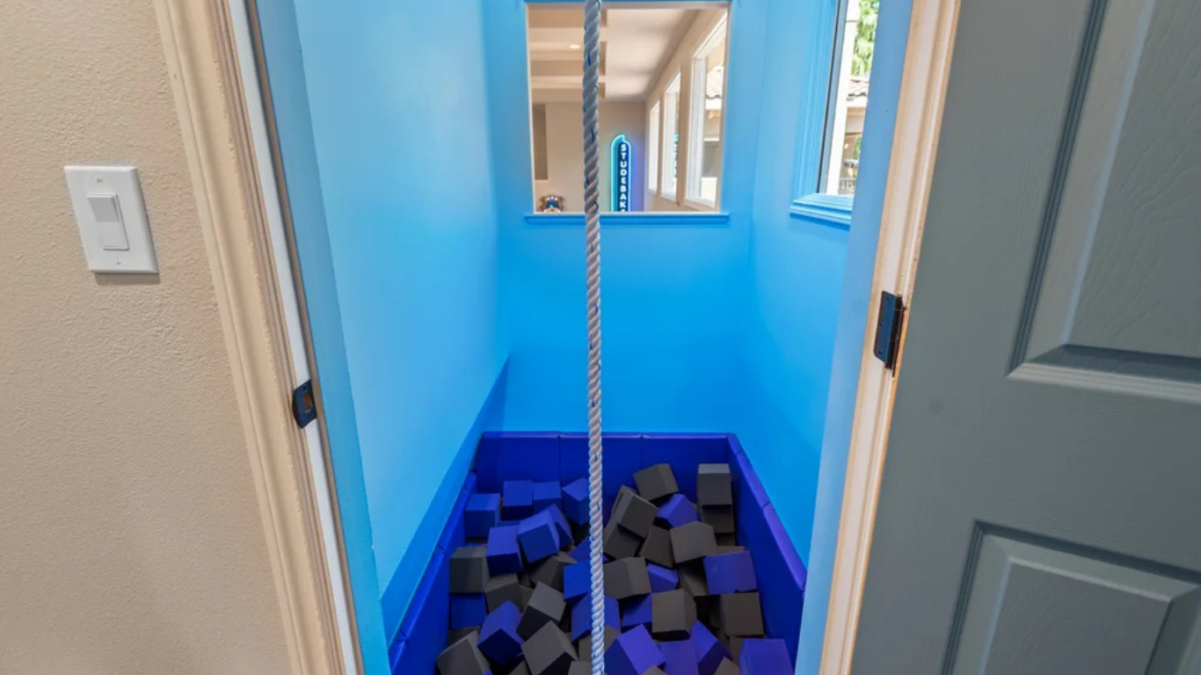
It is filled with secret passageways, trap doors that open into foam pits, a trampoline room, a fireman’s pole laundry chute, a disco room hidden behind a vending machine, sitcom-inspired doors, a floor made of thousands of pennies, and many other playful surprises.
Does Justin Flom still live in the house with his family?
Yes. He lives there with his wife Anna and his two daughters. He has also purchased the neighboring house and connected the two properties, expanding the fun-house experience.
How did Justin Flom start transforming the house?
After live magic performances slowed, he began treating the home as a creative canvas. Small projects grew into larger renovations that he documented online, and the videos took off.
Is the Justin Flom house open to the public?
No. It remains a private family residence. The only way most people experience it is through the videos Justin and his family share.
Conclusion
The Justin Flom house is more than a viral trend. It is a living reminder that creativity does not have to leave home when the stage lights go out. In a quiet Las Vegas neighborhood, one magician decided to fill ordinary rooms with extraordinary possibilities—for his children, for himself, and for anyone watching who still believes a house can feel like magic. That combination of playfulness and genuine heart is why so many of us keep coming back to the Justin Flom house, smiling a little wider each time.
Must Read: Marilisa Maronesse: The Quiet Strength Behind Chayanne’s Enduring Love Story

Artificial grass has transformed the way many people think about their gardens. Once associated mainly with sports grounds and tired-looking plastic lawns, modern artificial grass now appears in family gardens, balconies, roof terraces, hospitality venues and compact urban courtyards across the UK.
Its appeal is easy to understand. Artificial grass stays green throughout the year, does not need mowing and can cope with heavy use without developing muddy patches. Yet the decision to install it is not as simple as choosing between a green lawn and a brown one. Cost, drainage, heat, wildlife, maintenance and end-of-life disposal all deserve careful consideration.
For some households, synthetic turf offers a practical answer to a demanding outdoor space. For others, a natural lawn, planted border or mixed garden may provide greater long-term value. Understanding how artificial grass works — and what it cannot replace — is the best way to make an informed choice.
What Is Artificial Grass?
Artificial grass is a manufactured surface designed to resemble natural turf. It usually consists of plastic blades stitched into a backing layer, with a prepared sub-base beneath it to provide stability and drainage. The fibres are commonly made from polyethylene, polypropylene or nylon, with polyethylene often used for softer domestic products.
Unlike natural grass, artificial grass does not grow. It requires no seed, soil, sunlight or regular feeding, which is why it is often marketed as a low-maintenance alternative to a traditional lawn. However, “low maintenance” does not mean maintenance-free. Leaves, dirt, moss, pet waste and other debris still need to be removed, while the pile may require brushing to keep it upright.
The modern product also has a history beyond domestic landscaping. Synthetic turf became widely known in the 1960s, particularly after its high-profile use at the Houston Astrodome in 1966. That connection helped establish artificial turf as a sports surface before the product gradually entered residential gardens.
Today, domestic artificial grass is available in different pile heights, colours, densities and textures. Shorter pile products can suit balconies and small courtyards, while longer, softer varieties are often chosen for family gardens. The right option depends on how the area will be used rather than simply how realistic the sample looks in a showroom.
Why Artificial Grass Remains Popular
The strongest argument for artificial grass is convenience. A natural lawn may need mowing during the growing season, reseeding after wear, feeding, edging and occasional watering. Synthetic turf removes most of those routine tasks, making it attractive to people with limited time, mobility difficulties or small gardens that are difficult to maintain.
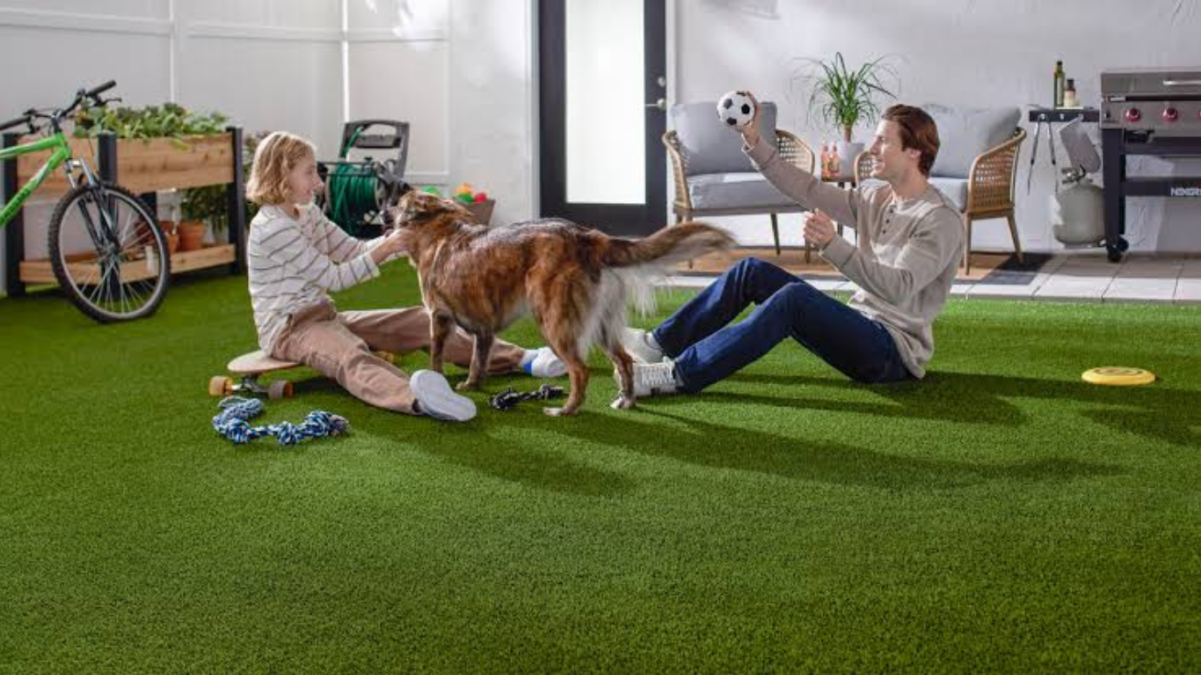
Artificial grass also creates a consistent appearance. It does not become yellow during dry spells or turn muddy after repeated footfall, provided it has been installed correctly. Families with young children may value a surface that is less likely to develop bare patches, while dog owners often choose it to reduce mud being carried into the house.
There can be practical benefits after wet weather, too. A properly prepared installation allows water to pass through the surface rather than leaving puddles across a compacted lawn. That performance depends heavily on the sub-base and drainage design, however. Poor installation can result in standing water, unpleasant smells or a surface that shifts under pressure.
Artificial grass can also make use of awkward spaces. Narrow side gardens, roof terraces and shaded courtyards may be difficult places to establish healthy natural turf. Synthetic grass can provide a neat, visually continuous surface where growing conditions are poor.
The Cost of Artificial Grass
Artificial grass usually involves a higher initial outlay than sowing seed or laying basic natural turf. The final price depends on the size of the area, the product selected, ground preparation, removal of existing material, edging, drainage and labour.
The visible grass is only one part of the project. Installers may need to excavate the existing ground, add a compacted aggregate base, apply a finer bedding layer and fit a weed membrane before laying and joining the turf. Gardens with poor access, slopes or drainage problems can require additional work.
This means that a low purchase price does not necessarily represent good value. A cheaper product may look less natural, flatten more quickly or prove harder to repair. Conversely, a higher-quality surface may be more comfortable and durable but still carry the environmental and replacement concerns associated with plastic.
Homeowners should request a written quotation that explains preparation, waste removal, edging, drainage, guarantees and future repair arrangements. It is also sensible to ask how offcuts and the old lawn will be disposed of. The apparent simplicity of artificial grass can conceal a substantial construction project beneath the surface.
Maintenance and Everyday Use
Artificial grass still needs regular attention, although the routine is generally lighter than caring for living turf.
Leaves and twigs should be swept or removed before they decompose into the pile. The surface may need occasional brushing, particularly in heavily used areas where the fibres begin to lie flat. Pet owners should remove solid waste promptly and rinse areas where urine has collected. A suitable cleaning solution may help with odours, but harsh chemicals can damage the fibres or backing.
Furniture, paddling pools and play equipment can leave temporary impressions. Moving them periodically allows the pile to recover and reduces wear in one place. Cigarettes, barbecues and other hot objects should never be placed on the surface, as melted fibres are difficult to restore.
Artificial grass can also become hot in direct sunlight. This matters especially in enclosed gardens, balconies and play areas. Shade, careful positioning and occasional cooling with water may make the surface more comfortable, although watering it does not turn synthetic turf into a natural cooling system.
The surface is not immune to weeds, either. Seeds can settle in the edges or in accumulated debris. Good installation and regular cleaning reduce the problem, but they do not guarantee a completely weed-free garden.
Artificial Grass and the Environment
Environmental questions are central to the debate. Artificial grass can reduce household mowing, fertiliser and irrigation, but those benefits should not be confused with a universally positive environmental impact. Synthetic turf is made from plastic, requires energy and materials to manufacture, and eventually needs replacing.
The most obvious loss is biological. A natural lawn, particularly one managed with longer areas or mixed planting, can support insects, soil organisms and other small forms of life. The Royal Horticultural Society recommends providing a range of habitats and plants, allowing some plants to set seed and limiting unnecessary plastic use when creating wildlife-friendly gardens.
The RHS has also identified artificial lawns among features that can harm efforts to promote garden biodiversity. Its advice notes that long grass is associated with greater abundance and variety of butterflies, highlighting what may be lost when every part of a garden is replaced with a uniform synthetic surface.
Plastic pollution is another concern. Research and environmental organisations have raised questions about the release of microplastics through ultraviolet exposure, weather, foot traffic and mechanical wear. A recent Royal Society of Chemistry review described microplastic emissions from artificial turf systems as an area receiving increasing scientific attention.Artificial Grass: Benefits, Costs and Drawbacks
End-of-life disposal is also important. Artificial grass cannot simply be treated like green garden waste. Some local recycling facilities accept it, while others may direct it towards general waste or specialist disposal. Recycle Devon, for example, advises that artificial grass can be taken to a local Household Waste Recycling Centre, but arrangements vary by area.
Planning, Drainage and Installation
Before installing artificial grass, homeowners should consider what happens to rainwater. A surface may appear permeable because water passes through the blades, but the layers beneath can still restrict drainage if they are poorly designed or compacted.
Government guidance on garden surfacing emphasises the importance of permeable materials and directing rainwater towards a permeable area, border or suitable drainage solution. Its planning guidance is particularly relevant to front gardens and hard surfaces, where runoff can contribute to flooding and pollution.
Planning rules differ across the UK and may depend on the location, type of property and character of the area. Listed buildings, conservation areas, flats and homes subject to local restrictions may require additional checks. Edinburgh guidance, for example, states that artificial grass and its substructure can constitute development and may require permission in conservation areas or the grounds of listed buildings.
A reputable installer should assess the existing ground before offering a price. Warning signs include vague guarantees, no explanation of the sub-base, pressure to cover the entire garden and claims that artificial grass is completely maintenance-free or environmentally neutral.
Good design can also reduce the downsides. Instead of covering every available metre, homeowners can combine a smaller synthetic play area with planting beds, trees, permeable paths and a wildlife-friendly corner. This approach preserves some living habitat while retaining the practical advantages of a durable surface.
Artificial Grass: Quick Facts
| Detail | Information |
| Product type | Synthetic lawn or turf surface |
| Common materials | Polyethylene, polypropylene and nylon |
| Main uses | Domestic gardens, balconies, play areas and sports facilities |
| Main advantage | Year-round appearance with less routine upkeep than natural turf |
| Key maintenance | Sweeping, brushing, rinsing and prompt removal of waste |
| Main drawbacks | Upfront cost, heat, limited biodiversity and plastic disposal |
| Drainage requirement | A correctly prepared, suitable sub-base and drainage design |
| Typical lifespan | Varies according to quality, installation, weather and use |
| Recycling | Availability depends on local facilities and product composition |
| Planning considerations | Rules vary by location, property and garden setting |
Is Artificial Grass Right for Your Garden?
Artificial grass may suit a household that needs a hard-wearing, tidy surface and accepts the long-term responsibilities of owning a plastic product. It can be particularly useful where constant foot traffic makes natural turf difficult to maintain, or where muddy conditions create a practical problem.
It may be less suitable for anyone who values wildlife, natural soil, seasonal change or the sensory qualities of a living lawn. The smell of freshly cut grass, the presence of clover and daisies, and the ability of a lawn to support insects are not features that synthetic turf can reproduce.
A natural lawn is not automatically perfect. It may require water, mowing, feeding and repair, and poorly managed turf can offer limited wildlife value. A mixed approach is often more sustainable and attractive: retain living grass where it thrives, reduce the size of the lawn where necessary, and use paving, planting or artificial grass only where there is a clear practical reason.
The most important question is not whether artificial grass is good or bad in every situation. It is whether the product genuinely solves a specific problem better than the available alternatives.
Legacy and Lasting Impact
Artificial grass has changed outdoor design by making a lawn-like appearance possible in places where natural turf struggles. Its development from a specialist sports surface into a mainstream household product reflects a wider desire for convenience, predictable appearance and gardens that can withstand demanding use.
Its lasting impact, however, is likely to be judged as much by responsible use as by visual appeal. Better drainage, clearer product information, improved recycling and designs that protect biodiversity could all shape the next stage of the industry.
For homeowners, the lesson is straightforward: a green surface is not necessarily a living landscape. The best garden decisions balance appearance with function, cost, maintenance and the wider needs of the environment.
Conclusion
Artificial grass can be a practical, attractive solution when used thoughtfully, particularly in busy or difficult spaces. It reduces mowing and can offer a clean, consistent surface throughout the year, but it also brings installation costs, heat, maintenance duties, biodiversity concerns and a difficult end-of-life question.
Must Read: Paul Mescal Height, Age, Career, Family and More
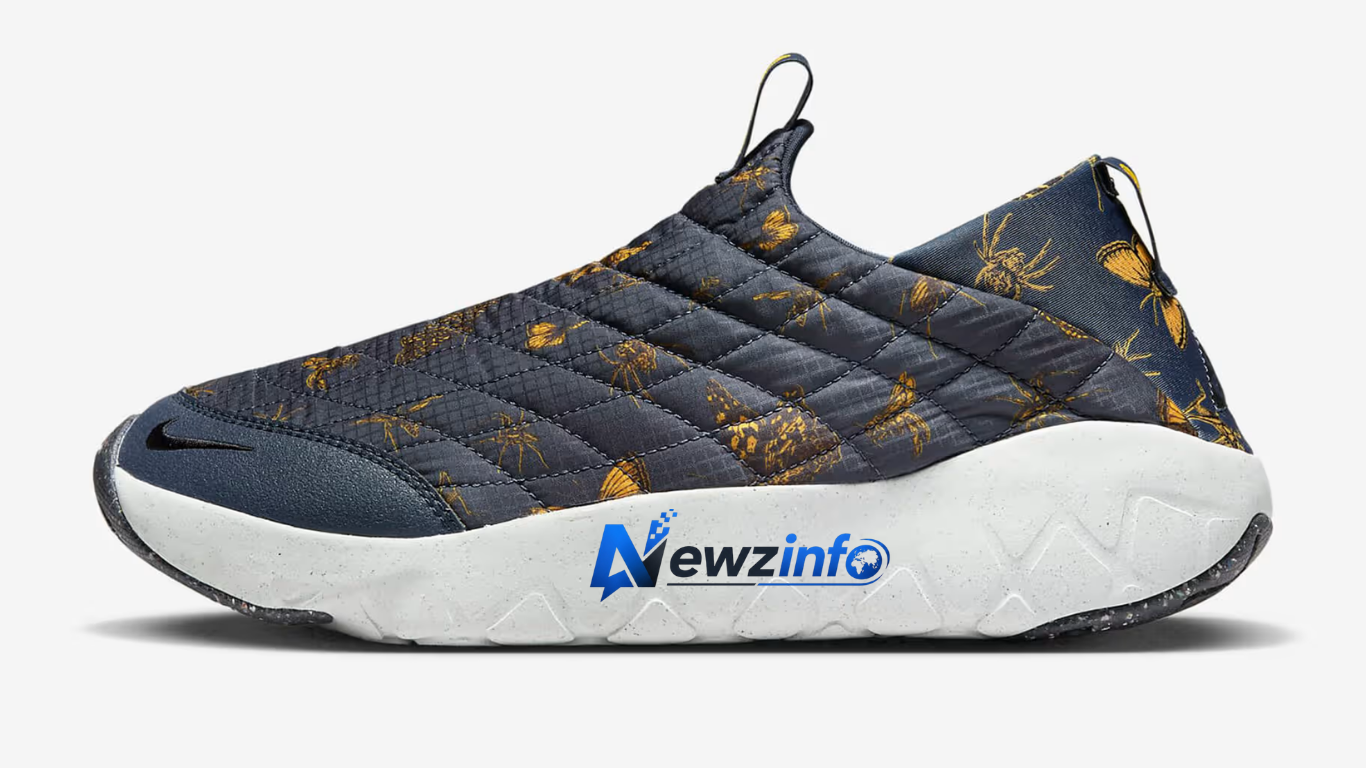
Nike hiking shoes have long occupied a distinctive place in outdoor footwear. They blend the brand’s running heritage with rugged practicality, appealing to weekend walkers, serious trail users and those who simply want reliable grip and comfort beyond city pavements. Interest remains strong because these shoes often deliver a lighter, more responsive feel than traditional heavy boots while still handling uneven ground, and because Nike’s All Conditions Gear (ACG) line continues to evolve with fresh technology and design.
What began as an unexpected experiment on one of the world’s toughest peaks has grown into a varied range that sits between pure trail runners and classic hiking boots. Today’s options attract both outdoor enthusiasts and those drawn to the practical-yet-stylish aesthetic that has influenced modern “gorpcore” looks.
Origins of Nike’s Outdoor Footwear
The story of Nike hiking shoes starts not in a design studio but on the slopes of K2. In 1978, American climbers Rick Ridgeway and John Roskelley wore Nike LDV running shoes during an expedition. Photographer Dianne Roberts captured them at base camp in those lightweight trainers. The pair later returned the battered shoes to Nike with notes on what worked and what needed improvement for rough terrain: better durability, stronger soles and retained lightness and flexibility.
Those insights led to Nike’s first dedicated outdoor efforts in 1981 under the Nike Hiking banner. Three models appeared: the Lava Dome (a lightweight low-cut option that early trail users quickly adopted), the Approach (notable as one of Nike’s first shoes with a GORE-TEX lining) and the Magma. These marked a shift from pure running footwear toward shoes that could cope with rocky paths and variable weather while remaining comparatively light.
By the mid-1980s the Escape model, designed with input from Mark Parker, formalised Nike’s move into trail-oriented running. The foundations were set for a broader outdoor category.
The Rise of All Conditions Gear and Iconic Models
In 1989 Nike officially launched All Conditions Gear (ACG). The line expanded beyond pure hiking to cover a wider range of outdoor activities, combining performance materials with distinctive design. Early ACG releases included evolutions of the Lava Dome and models such as the Air Wildwood. Colourful, functional and often unconventional, these shoes stood out from more conservative outdoor brands of the era.
The Air Mowabb, released in 1991 and designed by Tinker Hatfield, became one of the most recognised. Named after the Moab desert, it featured a flexible inner bootie, reinforced upper and an outsole ready for varied surfaces. The Air Mada followed in 1994 and similarly gained a following among both outdoor users and those who appreciated its hybrid look. These models helped establish Nike’s reputation for bringing athletic cushioning and innovative construction into the outdoors.
Through the 1990s and into the early 2000s, ACG continued producing distinctive silhouettes. Interest fluctuated as fashion trends shifted, yet the underlying idea of adaptable, all-conditions footwear never disappeared. Retro reissues and the broader appeal of technical outdoor styles later revived attention in the ACG name.
Modern Developments and Key Features
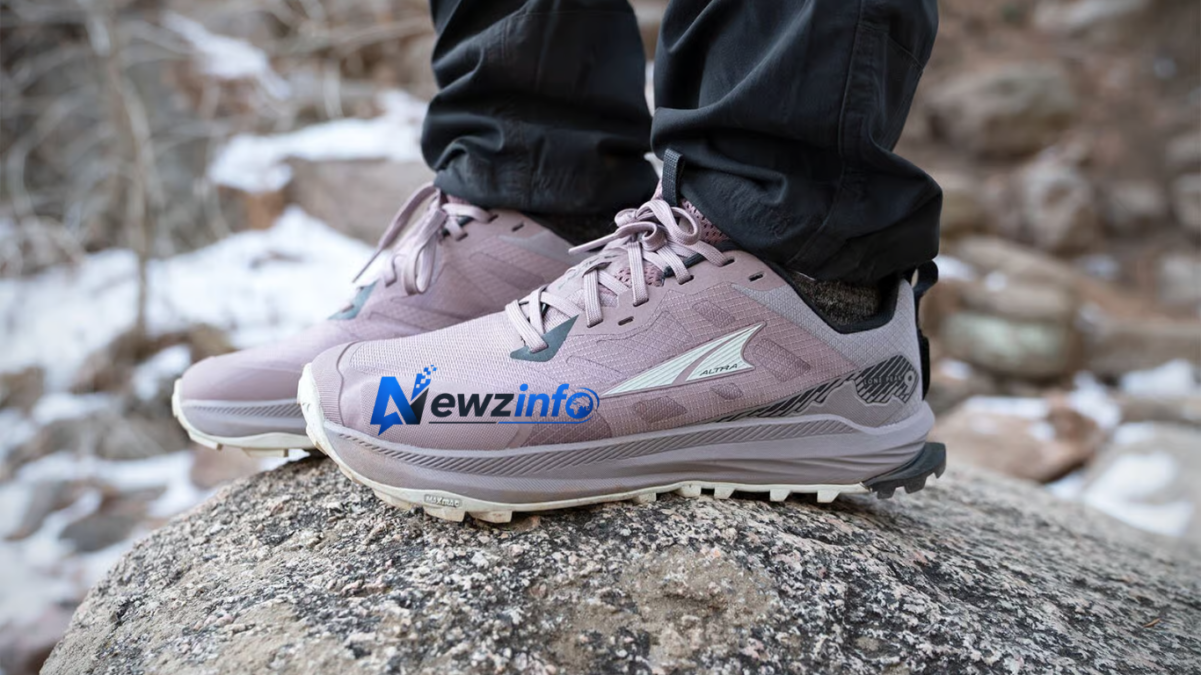
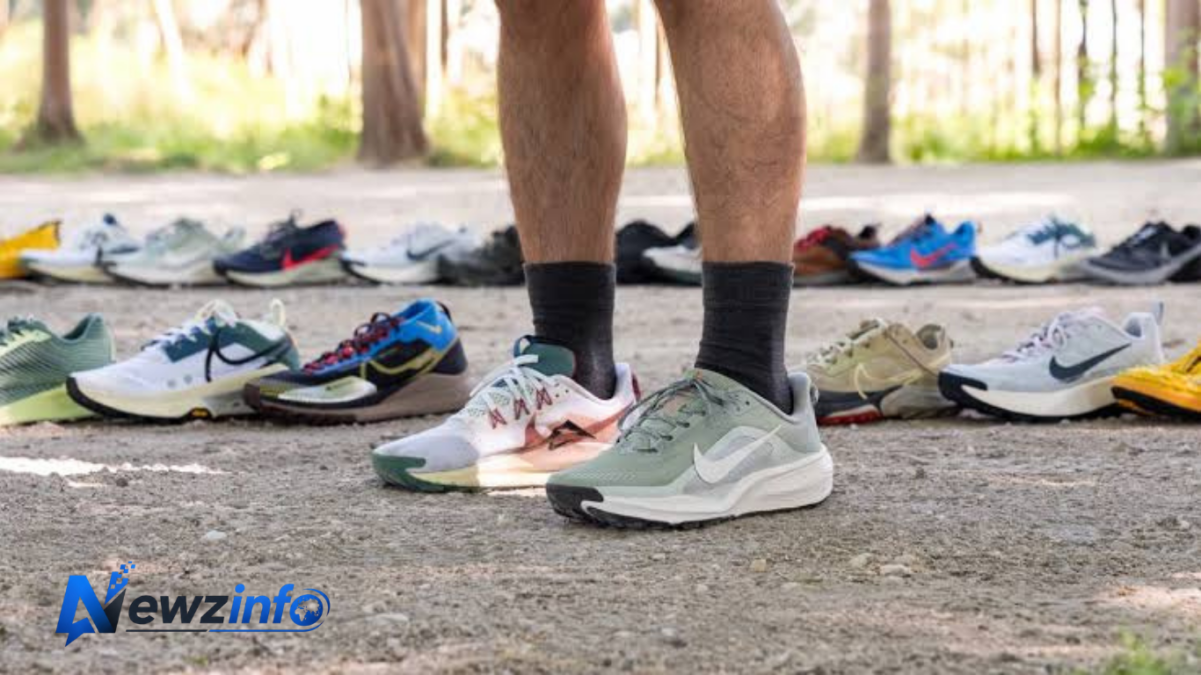
Nike’s contemporary approach to hiking and trail shoes builds on that history while incorporating advances from its running lines. Many current Nike hiking shoes use responsive foams such as React or ZoomX for cushioning, durable uppers with protective overlays, and outsoles engineered for grip on mixed terrain. Some models include GORE-TEX membranes for waterproofing, rock plates or reinforced toe areas for protection, and designs that balance breathability with support.
The Pegasus Trail series has become a versatile road-to-trail option, offering familiar Nike comfort with added traction for lighter paths. The Wildhorse line targets more rugged use with greater protection and stability. The Kiger emphasises agility, while the Zegama brings plush ZoomX cushioning suited to longer efforts. In the ACG range, models such as the Mountain Fly have combined sock-like fits, robust treads and technical materials.
A notable recent step came with the ACG Zegama Hike, introduced in 2026. Built on the Zegama platform but developed as a purpose-built hiking option, it features a Vibram Megagrip outsole, stacked foam midsole, reinforced protection and an ankle gaiter. It reflects Nike’s continued effort to create footwear that feels light and energetic yet capable on technical ground.
Choosing and Using Nike Hiking Shoes
Selecting the right pair depends on the type of walking or hiking planned. For mixed urban and light trail use, hybrid models with moderate cushioning and versatile tread often suit best. For steeper, rockier or longer days, greater underfoot protection, deeper lugs and more structured support become valuable. Waterproof versions help in wet British weather, though they can reduce breathability on warmer days.
Fit remains important. Many Nike trail and hiking models run true to size or slightly roomy in the forefoot to allow natural expansion on longer efforts. Trying them with the socks you intend to wear and considering half-size adjustments where needed is sensible. Durability varies by model and use; aggressive rocky trails will wear any shoe faster than well-maintained paths.
Nike has also focused on incorporating recycled materials in many current designs, aligning with broader sustainability efforts across the industry. Availability is wide, from official Nike channels to outdoor retailers, with regular updates to colourways and minor refinements.
Quick Facts
| Detail | Information |
| Brand Origin | Nike, Inc. (Beaverton, Oregon, USA) |
| First Outdoor Line | Nike Hiking (1981) |
| Key Early Models | Lava Dome, Approach, Magma |
| ACG Launch | 1989 |
| Notable Designers | Tinker Hatfield (Air Mowabb), Mark Parker (Escape) |
| Current Focus Areas | Trail running hybrids, ACG performance hiking, GORE-TEX options |
| Popular Modern Lines | Pegasus Trail, Wildhorse, Zegama / ACG Zegama Hike, Kiger |
| Typical Price Range | Varies by model; many trail options £100–£190 |
Lasting Influence
Nike hiking shoes matter because they helped normalise lighter, more athletic approaches to outdoor footwear at a time when heavy leather boots dominated. The ACG philosophy of gear for real conditions, combined with the brand’s design flair, influenced both performance products and the crossover style that later became widely visible in cities as well as on trails. Reissues of classic models and ongoing technical development keep the line relevant for new generations of walkers and runners.
Public perception often places these shoes in a hybrid category: capable enough for many UK hills and paths, comfortable for everyday wear, and distinctive enough to stand out. Their lasting appeal lies in that practical balance rather than claims of conquering every extreme environment.
Conclusion
Nike hiking shoes continue to evolve from their unexpected mountain beginnings into a practical choice for people who value movement outdoors. Whether for a coastal path, a Peak District day or simply reliable everyday trainers with better grip, they offer a clear expression of the brand’s outdoor thinking.

Dave Calhoun and Gautam Adani: The Human Stories Behind Two Titans Who Faced the Storm

Who Was Nolan Pentz Martinez Father? The Quiet Man Behind a Musical Legacy

Who Is Glena Goranson? The Quiet Strength and Heartfelt Story Behind Pete Carroll’s Life


 Technology2 months ago
Zingyzon.com in USA: Your Practical Guide to Smarter Home Living
- Technology2 months ago
Exploring Glaadvoice.com: An Independent Voice in Digital Media
- Fashion2 months ago
Home Decor Ideas TheHomeTrotters: Timeless Inspiration for Creating a Home You Love
- Technology2 months ago
Yonosamachar Com: Exploring the Rise of a Digital News Platform in the Modern Information Age
- Celebrity1 month ago
Tanner Wiseman Net Worth 2026: Age, Career, Family and Biography
- Celebrity2 months ago
Nancy Guthrie Update: Suspect Search and Ongoing Investigation into the Disappearance of Savannah Guthrie’s Mother
- Celebrity2 months ago
Jesse Belle Deutschendorf: The Private Artistic Life of John Denver’s Daughter
- Fashion2 months ago
Gelato Pique: The Japanese Brand Turning Loungewear into Wearable Dessert