Food
German Sourdough Rye Bread Recipe: A Taste of Tradition from the Heart of Germany

German sourdough rye bread has long held a special place in the kitchens and bakeries of Europe. Its deep, earthy flavour, dense yet satisfying crumb, and naturally long shelf life make it far more than just a loaf of bread — it is a cornerstone of German culinary heritage. Whether enjoyed simply with butter, as the base for an Abendbrot spread, or paired with hearty meats and cheeses, this bread delivers a comforting, complex taste that commercial versions rarely match.
For many, baking a genuine German sourdough rye bread recipe at home is both a rewarding project and a connection to centuries-old traditions. In this comprehensive guide, we explore the history, techniques, and a reliable recipe that captures the essence of classic German Roggenbrot or Mischbrot.
The Rich History of German Rye Bread
Rye has been a staple grain in northern and central Europe for centuries, thriving in the cooler, wetter climates where wheat struggles. In Germany, rye bread evolved as a practical and nutritious food, often leavened with sourdough to improve digestibility, flavour, and rise, given rye’s lower gluten content.
Sourdough fermentation has been central to German baking for generations. Unlike many modern breads that rely on commercial yeast, traditional German rye loaves harness the power of wild yeast and lactic acid bacteria in a starter. This not only creates that signature tangy depth but also acts as a natural preservative, allowing the bread to stay fresh for days or even weeks.
Regional variations abound, from the dark, dense Pumpernickel of Westphalia to lighter Mischbrot (mixed rye-wheat breads) popular across the country. Bakers often incorporate seeds like caraway, sunflower, or pumpkin for added texture and aroma, reflecting local tastes and available ingredients.

Understanding German Sourdough Rye Bread
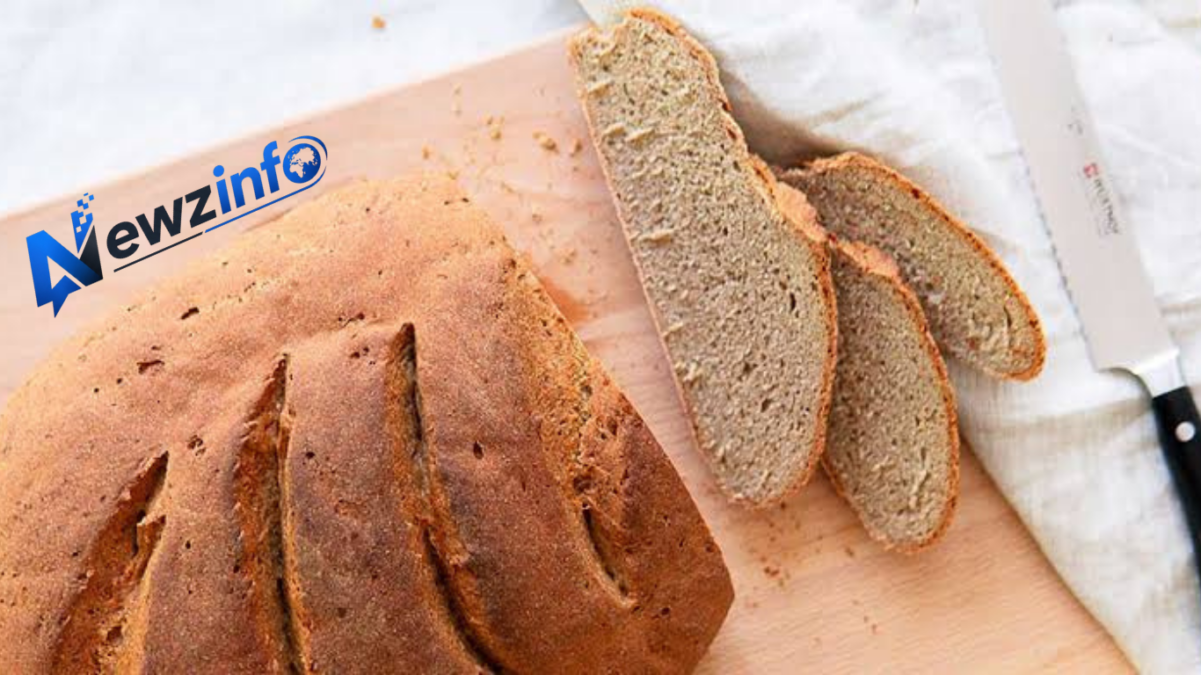
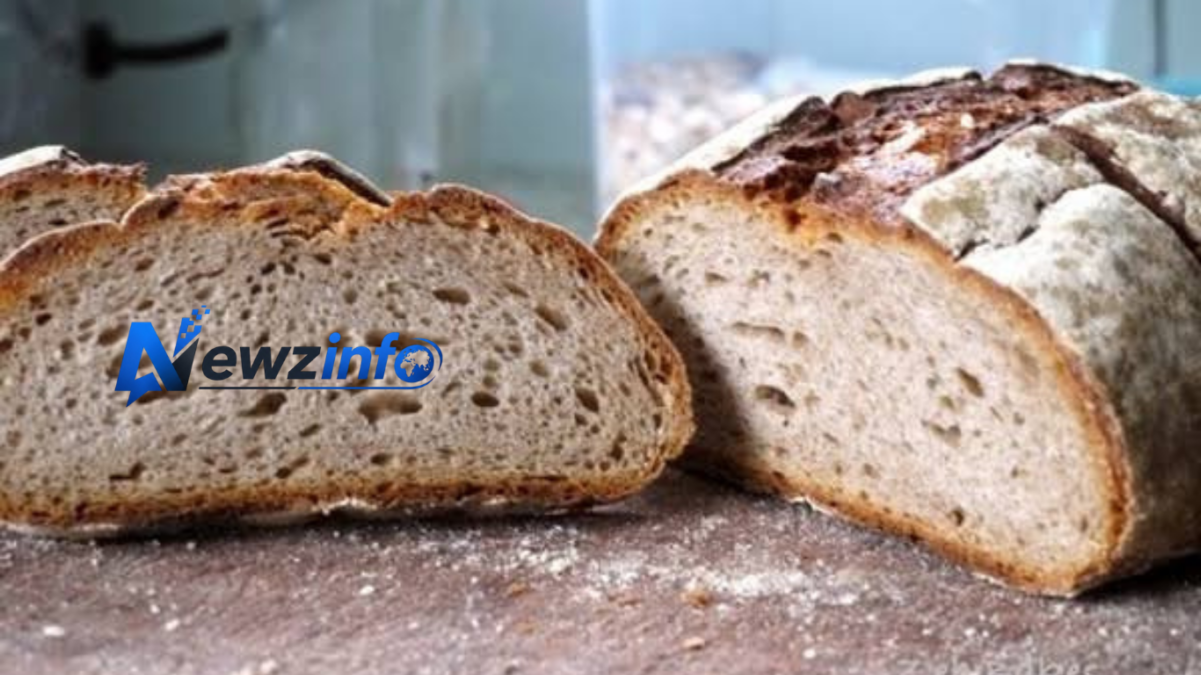
What sets German sourdough rye bread apart is its balance of rye flour (often 50-100%), sourdough starter, and careful fermentation. The result is a loaf with a chewy crust, moist interior, and complex sour notes balanced by subtle sweetness from the rye.
Rye flour absorbs more water than wheat and behaves differently during mixing and baking, which is why many recipes combine it with some wheat flour for structure, especially for beginners. Authentic versions emphasise long fermentation times to develop flavour and improve the bread’s keeping qualities.
German Sourdough Rye Bread Recipe
This recipe produces one generous loaf, suitable for a family or to share. It draws on traditional methods while remaining approachable for home bakers. Total time includes overnight fermentation for best results.
Ingredients (for one loaf)
For the sourdough starter (if building from scratch, or use 250-300g active starter):
- 50g active sourdough starter
- 100g rye flour
- 100g water (lukewarm)
For the dough:
- 300g rye flour (medium or wholemeal)
- 200g strong bread flour or whole wheat flour
- 300-350ml lukewarm water (adjust for consistency)
- 250g active sourdough starter (from above)
- 10-12g sea salt
- 1-2 tsp caraway seeds (optional but traditional)
- Optional additions: 50-80g soaked sunflower/pumpkin seeds, or sautéed onions for Zwiebelbrot variation
Step-by-Step Instructions
1. Prepare the Sourdough Levain (Evening Before):
Mix your active starter with rye flour and water. Cover and let it ferment at room temperature (around 20-22°C) for 8-12 hours until bubbly and doubled. This builds flavour and strength.
2. Mix the Dough:
In a large bowl, combine the flours, salt, and caraway seeds. Dissolve the levain in most of the lukewarm water, then add to the dry ingredients. Mix until a shaggy dough forms — it will be quite sticky due to the rye. Add more water if needed for a workable but not dry consistency. Cover and rest (autolyse) for 20-30 minutes.
3. Knead and First Rise:
Perform a series of stretch-and-folds every 30 minutes for 2-3 hours, or knead gently if preferred. The dough will become smoother. Cover and let it bulk ferment in a warm spot for 4-8 hours, or overnight in the fridge for deeper flavour. It should increase in volume but not double dramatically.
4. Shape the Loaf:
Turn the dough onto a lightly floured surface. Gently shape into a boule or batard. Place seam-side up in a well-floured proofing basket (Brotform) or bowl lined with a tea towel. Cover and proof for 1-3 hours until it passes the poke test — it should spring back slowly.
5. Bake:
Preheat your oven to 230-240°C (fan 210-220°C) with a Dutch oven or baking stone inside. Score the loaf, transfer to the hot pot, and bake covered for 20-25 minutes. Remove the lid and bake another 20-30 minutes until deep golden brown and hollow-sounding when tapped. Internal temperature should reach about 95-98°C.
6. Cool:
Cool completely on a wire rack for at least 2 hours (ideally longer) before slicing. This allows the crumb to set properly.
Tips for Success with German Sourdough Rye Bread
Rye doughs are naturally stickier and less elastic than wheat ones, so resist the urge to add too much flour. Hydration is key — aim for a tacky rather than wet dough.
Maintain a healthy, active starter fed with rye flour for best results. If your kitchen is cool, fermentation may take longer; warmer conditions speed it up but can make the sourness more pronounced.
For a darker, more traditional loaf, use more rye flour or incorporate malt extract or beer for subtle sweetness and colour. Experiment with seeds or grains for texture.
Store the bread wrapped in a cloth or paper bag at room temperature. It keeps well for 5-7 days and toasts beautifully when older.
Variations to Explore
- 100% Rye: Denser and more intensely flavoured; requires careful handling and longer baking.
- Seeded Rye: Add pumpkin, sunflower, flax, or sesame seeds soaked beforehand.
- Onion Rye (Zwiebelbrot): Fold in butter-sautéed onions for a savoury twist popular in Germany.
- Pumpernickel-Style: Use coarse rye meal and bake at low temperature for many hours.
Why Bake Your Own?
Homemade German sourdough rye bread offers superior flavour, texture, and satisfaction compared to most shop-bought options. It connects you to a living tradition that values craftsmanship, natural ingredients, and patience. Once you master the basics, the possibilities for customisation are endless.
Quick Facts
| Detail | Information |
| Full Name | German Sourdough Rye Bread (Roggenbrot / Mischbrot) |
| Origin | Germany (northern and central regions) |
| Key Ingredients | Rye flour, sourdough starter, water, salt |
| Typical Fermentation | 8-24+ hours |
| Best Enjoyed | Fresh, toasted, or with savoury toppings |
| Shelf Life | 5-7 days or longer |
Conclusion
German sourdough rye bread remains beloved for its honest, robust character in an era of mass-produced foods. It represents resourcefulness, regional pride, and the simple pleasure of breaking bread with others. Its influence extends beyond Germany, inspiring bakers worldwide to embrace slower, more flavourful methods.
Baking this bread at home is more than following a recipe — it is participating in a cultural legacy that values depth over convenience. The aroma filling your kitchen and the first slice with good butter reward every effort.