health
Foldable Walking Pad: The Compact Way to Stay Active at Home

In recent years the foldable walking pad has quietly transformed how many people approach daily movement. These slim, portable machines sit under a desk or against a wall when not in use, yet open up to deliver steady, low-impact walking whenever it suits you. For anyone juggling remote work, limited living space or unpredictable British weather, the appeal is obvious.
Unlike a full-sized treadmill, a foldable walking pad is designed primarily for walking and light jogging. It prioritises quiet operation, a modest footprint and easy storage. The result is a practical tool that helps people hit step goals without rearranging their entire home or booking a gym session.
Interest continues to grow because the concept meets a genuine need. Sedentary work patterns remain common, while the desire for convenient fitness has never been stronger. A foldable walking pad offers a middle ground: consistent activity that fits around real life rather than demanding a separate routine.
What Exactly Is a Foldable Walking Pad?
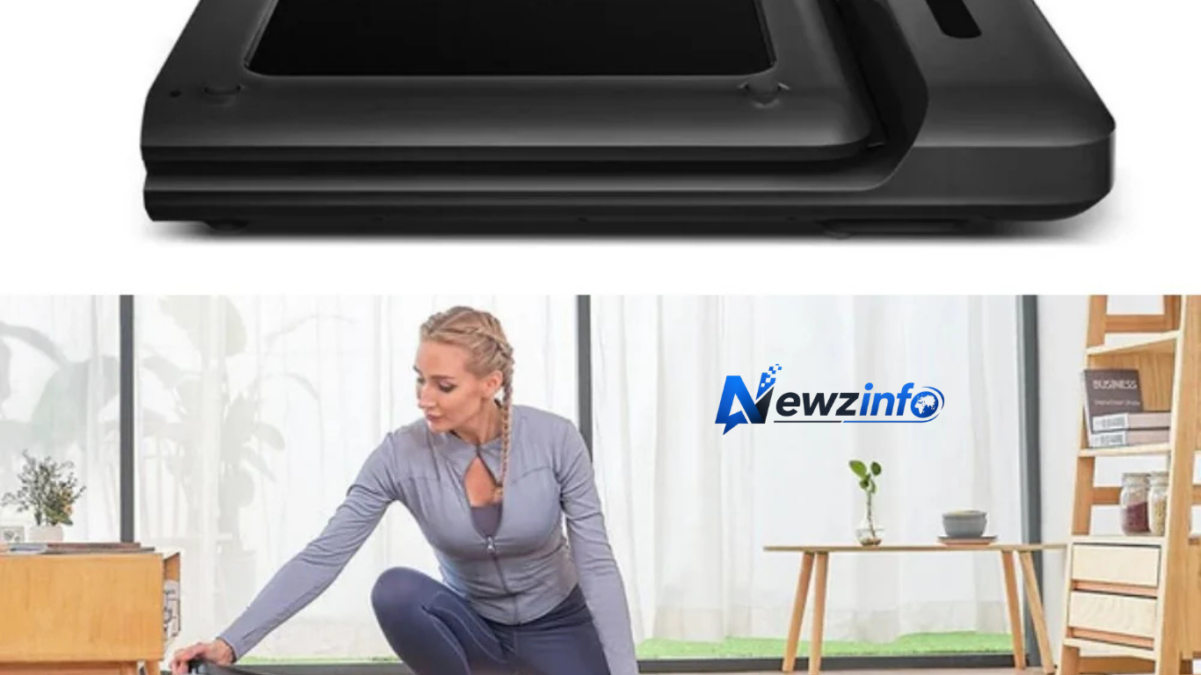
A foldable walking pad is a compact motorised treadmill built for walking. Most models measure roughly 140–145 cm in length when open and fold in half to around half that size, often dropping to a height of just 12–14 cm. Many weigh between 25 and 30 kg and include transport wheels, making them manageable to move.
Key design features usually include a continuous walking belt of about 120 cm by 40–45 cm, a quiet brushless motor, and speeds that typically range from 0.5 to 6 km/h. Some higher-end versions reach 10–12 km/h when used with a raised handrail. Shock-absorbing decks help reduce impact on joints, while remote controls or companion apps allow speed adjustments without interrupting your stride.
The foldable mechanism is the defining element. A patented or carefully engineered hinge lets the deck collapse flat or stand upright, reclaiming floor space within seconds. This is what separates these machines from traditional treadmills that remain bulky even when “folded”.

Why People Turn to a Foldable Walking Pad
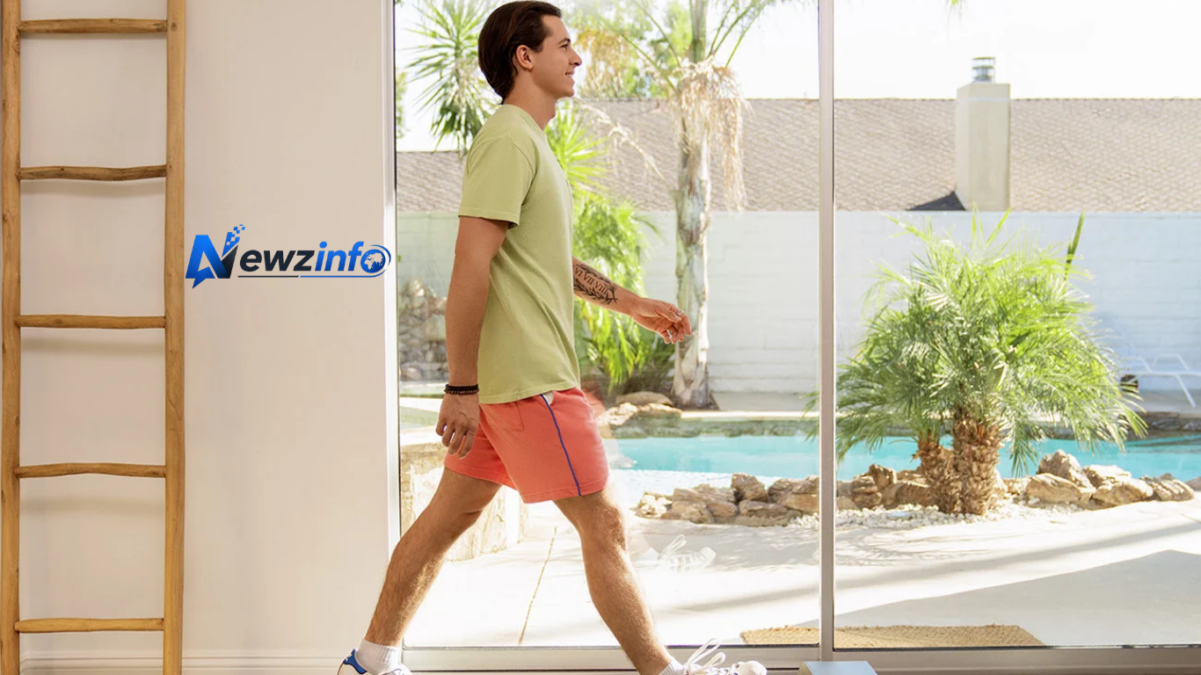
The main attraction is convenience. You can walk while answering emails, watching television or taking a phone call. Many users report that the gentle movement improves focus and reduces the stiffness that comes from long periods of sitting.
Health benefits of regular walking are well established. The NHS highlights improvements in energy levels, blood pressure, sleep quality and reduced risk of heart disease and type 2 diabetes. A foldable walking pad makes it easier to accumulate the recommended 150 minutes of moderate activity each week without leaving the house.
Space constraints matter too. In UK flats and smaller homes, a conventional treadmill is often impractical. A foldable walking pad can live under a sofa, bed or desk and appear only when needed. Noise levels are generally low enough for shared living or office environments, though results vary by model and surface.
The machines also suit people recovering from injury or managing joint concerns. The controlled, flat surface and modest speeds provide a gentler alternative to outdoor walking on uneven pavements or in poor weather.
Key Features to Consider When Choosing
Not every foldable walking pad is the same. Several practical factors influence how well a model will work in daily life.
Size and storage. Check both unfolded and folded dimensions. Confirm it will fit under your furniture or against a wall. Some models fold flat; others stand vertically like a suitcase.
Weight capacity and deck length. Most support 100–110 kg, with a few reaching 136 kg. Taller users or those with longer strides should look for a longer belt—ideally 120 cm or more—to avoid feeling cramped.
Motor and noise. Brushless motors tend to run quieter and last longer. Look for models that stay under 65 dB at typical walking speeds if you plan to use the machine during calls or while others are nearby.
Controls and connectivity. Basic remote controls are common. Many models also offer smartphone apps that track steps, distance, time and calories. Some include automatic speed adjustment based on foot position on the belt.
Speed range and versatility. Pure walking pads top out around 6 km/h. “2-in-1” versions add a folding handrail and higher speeds for light jogging or running. Incline options remain rare on the most compact foldable designs.
Build quality and warranty. A solid frame, decent shock absorption and a one-year (or longer) warranty provide reassurance. Lubrication of the belt is usually required periodically to keep the machine running smoothly.
Practical Benefits in Everyday Life
Many owners discover that the foldable walking pad becomes part of their routine almost without effort. A 20-minute session during a lunch break or while listening to a podcast quickly adds several thousand steps. Over a week the cumulative effect is noticeable.
Remote workers particularly value the ability to walk during meetings that do not require intense concentration. The gentle activity can improve circulation and help maintain energy through long days at a desk. Parents and carers often appreciate the flexibility to move while remaining at home.
The machines also remove common barriers. Bad weather, dark evenings and lack of nearby safe walking routes no longer prevent daily activity. For those who dislike gyms or prefer privacy, a foldable walking pad offers a private, low-pressure way to stay mobile.
Limitations and Realistic Expectations
It is important to stay balanced. A foldable walking pad is not a full replacement for outdoor walking, strength training or higher-intensity exercise. Most models lack incline, which means calorie burn remains modest compared with hill walking or outdoor routes with elevation.
Stability can feel different from a traditional treadmill, especially at the higher end of the speed range. Some users need a short adjustment period to find a natural rhythm. Noise, while generally acceptable, is not completely silent—particularly on higher speeds or hard floors. A dedicated mat can help reduce both sound and vibration.
Durability varies. The folding hinge is a potential wear point over years of heavy use. Choosing a reputable brand with clear support and spare parts availability is wise. Prices range from under £200 for basic models to £500 or more for premium foldable designs with stronger motors and better build quality.
How to Get the Most from Your Foldable Walking Pad
Start slowly. Begin with short sessions at a comfortable pace and gradually increase duration. Many people find 30–45 minutes a day, broken into smaller blocks, works well.
Pair the machine with a standing desk for maximum flexibility. Use the time for lighter tasks—emails, podcasts, or phone conversations—rather than complex focused work, at least initially. Track progress through the built-in display or app if that motivates you, but avoid becoming overly fixated on numbers.
Maintain the machine. Wipe the belt regularly, keep the deck free of dust, and apply lubricant as recommended in the manual. Store it folded when not in use to protect the mechanism and free up space.
Combine walking pad sessions with other forms of movement. Outdoor walks, strength exercises and stretching still matter for overall fitness and joint health.
Looking Ahead: The Growing Role of Compact Fitness Tools
The foldable walking pad reflects a broader shift towards home fitness equipment that respects limited space and busy schedules. As more people work flexibly and seek sustainable ways to stay active, demand for well-designed, quiet and storable machines is likely to continue.
Manufacturers have refined the concept significantly since the earliest models. Quieter motors, better folding systems, improved apps and stronger weight capacities now make the category more practical than ever. Design awards and widespread user feedback suggest the core idea has lasting value.
For many households the foldable walking pad has moved from novelty to everyday essential—quietly supporting health goals without dominating the living room.
Conclusion
A foldable walking pad offers a practical, space-conscious solution for anyone who wants to walk more without the constraints of weather, gym memberships or bulky equipment. Its compact design, quiet operation and ease of use make it especially suited to modern UK homes and working patterns.