Food
Fig Jam: A Sweet Slice of History and Tradition

Fig jam has captivated palates for centuries, offering a rich, earthy sweetness that elevates everything from morning toast to sophisticated cheese boards. This humble preserve, born from one of the world’s oldest cultivated fruits, continues to charm home cooks and food enthusiasts alike. Its deep flavour profile and versatility make it a staple in kitchens across cultures, blending nostalgia with modern culinary creativity.
Whether spread generously on warm bread or paired with tangy cheeses, fig jam delivers a taste of Mediterranean sunshine. Its enduring popularity stems not only from its delightful taste but also from the fruit’s symbolic importance in history, religion, and daily life. In this article, we explore the journey of fig jam from ancient orchards to contemporary tables.
Early Life and Background of the Fig
Figs have roots stretching back thousands of years. Archaeological evidence shows fig cultivation dating to around 9400–9200 BCE in the Jordan Valley, making them among the earliest domesticated plants. Native to the Mediterranean and Middle East regions, including areas like modern-day Turkey, Iraq, Iran, and Syria, the fig tree thrived in sunny, dry climates.
The common fig (Ficus carica) belongs to the mulberry family. Ancient civilisations prized it for its nutritional value and sweetness long before refined sugar became widespread. Figs appear in biblical texts, ancient stone tablets from 2500 BCE, and Roman records, often symbolising fertility, peace, and prosperity. In many cultures, the tree represented abundance.
Early fig jam-like preparations emerged naturally as people sought ways to preserve the highly perishable fresh fruit. Drying figs extended their usability, but boiling with sweeteners created spreads that captured the fruit’s essence for longer periods. These early preserves laid the foundation for the fig jam we know today.

The Rise of Fig Jam in Culinary Traditions
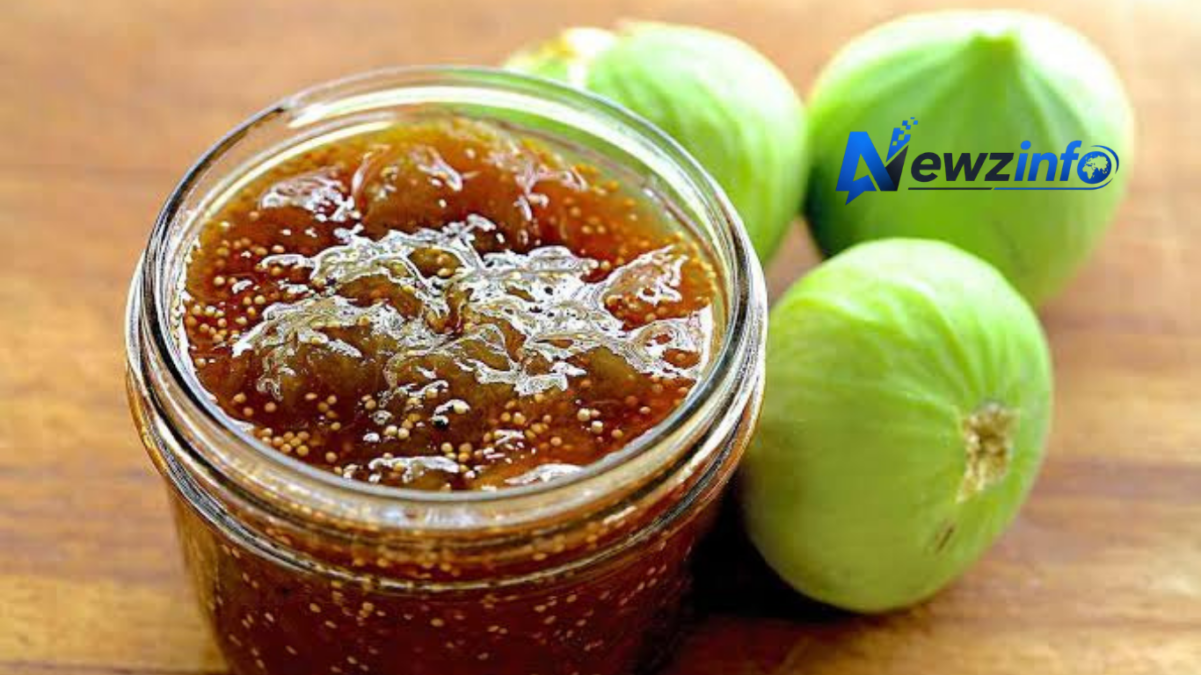
Fig jam’s story truly blossoms as it spread across the Mediterranean and beyond. In regions like Corsica, Greece, and the Middle East, families traditionally made seasonal batches using local varieties. Armenian and Persian households often blended cultural influences, producing distinctive versions passed down through generations.
In the 19th and 20th centuries, fig cultivation expanded significantly. California became a major producer, thanks in part to immigrants who introduced and adapted varieties like the Calimyrna fig. This helped popularise fig products, including jams, in the United States and beyond. Commercial fig pastes and jams gained traction, with items like Fig Newtons cookies (introduced in 1891) bringing fig flavour to a wider audience.
Today, fig jam remains a beloved preserve. Home cooks appreciate its simplicity—no added pectin needed in many recipes, as figs contain natural gelling properties. Professional chefs value its complexity: sweet with subtle caramel notes, hints of honey, and a touch of earthiness depending on the variety.
Crafting Fig Jam: Techniques and Variations
Making fig jam at home is straightforward and rewarding. Basic recipes typically involve fresh or dried figs, sugar, lemon juice for brightness and preservation, and sometimes water or spices. The process highlights the fruit’s natural pectin, resulting in a beautiful set without commercial additives.
Popular variations include:
- Classic Fig Jam: Stemmed figs simmered with sugar and lemon until thickened.
- Spiced Versions: Additions like cinnamon, ginger, vanilla, or orange zest for warmth.
- Mediterranean Twists: Incorporations of port, rosemary, or nuts for gourmet appeal.
- Low-Sugar Options: Relying on the fruit’s inherent sweetness, sometimes enhanced with oranges for natural pectin.
Regional differences shine through. Corsican or Greek fig jams might emphasise citrus notes, while Middle Eastern styles celebrate pure fruit intensity. Home gardeners with fig trees often turn abundant harvests into jars of jam, sharing them as thoughtful gifts.
Personal Connections and Challenges in Preservation
Fig jam connects deeply to family traditions and seasonal rhythms. Harvesting requires care, as ripe figs are delicate and bruise easily. This perishability historically posed challenges, driving innovation in drying and jamming techniques.
Modern enthusiasts face their own hurdles, such as sourcing high-quality figs or perfecting the balance of sweetness and texture. Yet, these “challenges” often lead to rewarding experimentation and a greater appreciation for the craft. The resilience of fig trees themselves—long-lived and productive—mirrors the enduring appeal of their preserves.
Fig Jam in Everyday and Celebratory Life
Fig jam appears in both simple and elevated contexts. On breakfast tables, it pairs wonderfully with yoghurt, porridge, or sourdough. Cheese boards benefit immensely from its contrast against salty, aged varieties like blue cheese or manchego. In baking, it fills tarts, cookies, or thumbprint biscuits.
Public appreciation grows through food blogs, cookbooks, and social media, where home cooks share their batches. While not typically tied to celebrity “personal lives,” fig jam features in cultural narratives of heritage and hospitality. Many recall childhood memories of grandparents stirring pots of bubbling fruit.
Later Developments and Contemporary Appeal
In recent years, fig jam has enjoyed a renaissance among artisanal producers and health-conscious consumers. Small-batch makers experiment with organic ingredients and unique flavour infusions. Its versatility suits modern diets, from vegan spreads to gourmet accompaniments.
Fig jam also aligns with sustainability interests. Using homegrown or local figs reduces waste and supports biodiversity, as fig trees require relatively little water once established.
Quick Facts About Fig Jam
| Detail | Information |
| Primary Ingredient | Fresh or dried figs (Ficus carica) |
| Origin | Mediterranean and Middle East, ancient times |
| Key Components | Figs, sugar (or alternatives), lemon juice |
| Common Uses | Spreads, cheese pairings, baking, glazes |
| Nutritional Highlights | Fibre, natural sugars, antioxidants, minerals like potassium and calcium |
| Storage | Sealed jars last months; refrigerate after opening |
Legacy and Lasting Impact
Fig jam endures because it transforms a seasonal fruit into something timeless. It embodies resourcefulness—preserving abundance for leaner times—and connects us to ancient agricultural roots. Its influence extends to global cuisine, inspiring both traditional and fusion dishes.
Conclusion
The fruit’s nutritional profile, rich in dietary fibre, antioxidants, and minerals, adds substance to its appeal. While best enjoyed in moderation due to natural sugars, fig jam offers a more nuanced alternative to highly processed spreads.
Public perception views fig jam as comforting yet sophisticated—a bridge between rustic heritage and refined tastes. Its story teaches lessons about patience in the kitchen, the value of local produce, and the joy of sharing handmade foods.