Food
Exploring the Different Types of Sushi: From Classic Nigiri to Creative Rolls

Sushi has travelled far from its Japanese roots to become one of the world’s most loved foods. Whether you favour a simple slice of fish on rice or a colourful inside-out roll packed with avocado and crab, the variety on offer can feel endless. Understanding the different types of sushi helps you order with confidence, appreciate the skill behind each piece, and discover new favourites beyond the usual California roll.
At its heart, sushi is defined by vinegared rice — known as sumeshi or shari — rather than by raw fish alone. That seasoned rice pairs with seafood, vegetables, egg or tofu in a range of forms that have evolved over centuries. Some styles remain close to traditional Japanese techniques, while others were shaped by Western tastes. This guide walks through the main varieties you are likely to meet in restaurants and at home, explaining what makes each one distinct.
A Brief Look at Sushi’s Origins
Sushi began as a method of preserving fish. Early versions in Southeast Asia involved fermenting fish with rice and salt; the rice was later discarded and only the fish eaten. In Japan the practice developed further. By the Edo period (1603–1868) vinegar replaced lengthy fermentation, creating haya-zushi or “fast sushi.” Around the 1820s in Edo (modern Tokyo), chef Hanaya Yohei popularised the hand-pressed style that became nigiri. Rolled forms using nori seaweed sheets also appeared around the same time. Today’s global sushi scene still rests on those foundations, even as new fillings and presentations continue to appear.

Nigiri: The Hand-Pressed Classic
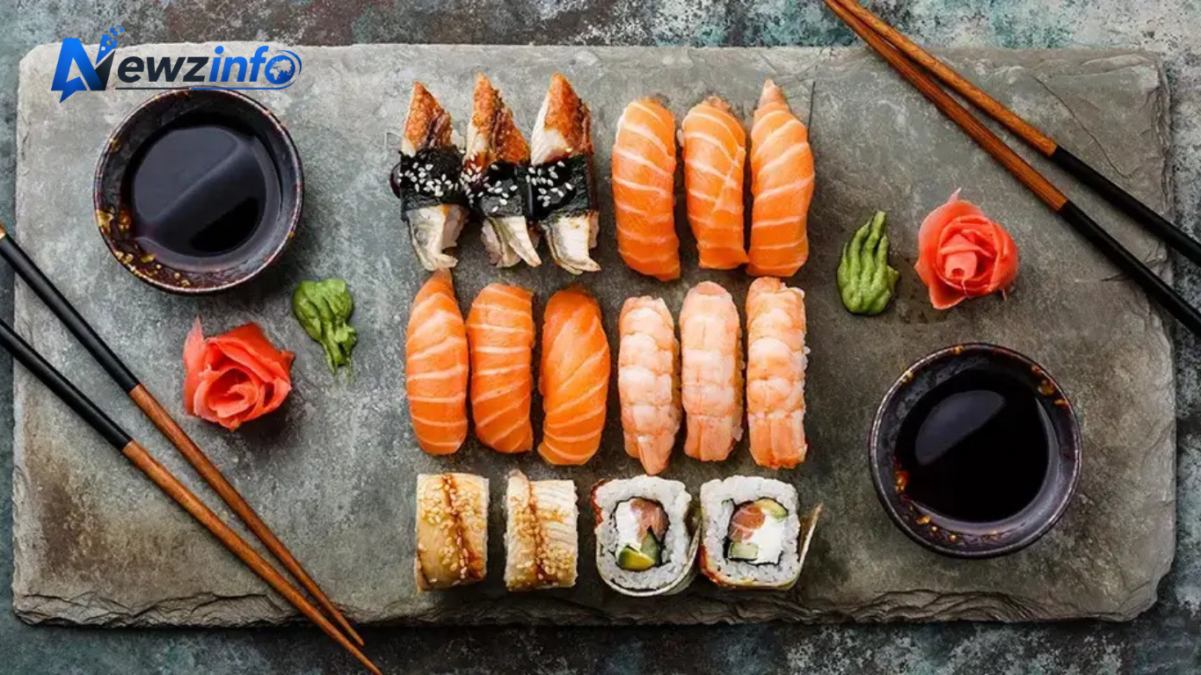
Nigiri (or nigirizushi) is the style many people picture first. A small oval of seasoned rice is gently shaped by hand, often with a touch of wasabi between the rice and topping. A slice of fish, seafood or other ingredient is then draped over the top. Common toppings include tuna (maguro), salmon (sake), yellowtail (hamachi), shrimp (ebi), eel (unagi) and sweet omelette (tamago).
The balance between rice and topping is carefully judged so neither overwhelms the other. Nigiri is usually eaten in one or two bites, ideally with the fish side lightly touched to soy sauce rather than the rice. It remains a favourite in traditional sushi counters because it showcases the quality of the seafood and the chef’s skill.
Maki: Rolled Sushi in All Its Forms
Makizushi, or simply maki, means “rolled sushi.” Rice and fillings are laid on a sheet of nori, then rolled tightly with a bamboo mat and sliced into rounds. Several subtypes exist:
- Hosomaki — thin rolls with a single filling such as cucumber (kappa maki), tuna (tekka maki) or pickled daikon.
- Futomaki — thicker “fat rolls” packed with several ingredients, often vegetables, egg and cooked seafood. These are popular for celebrations and bento boxes.
- Chumaki — medium-sized rolls that sit between the two.
Maki is versatile, portable and endlessly adaptable, which explains its worldwide popularity.
Uramaki: The Inside-Out Roll
Uramaki flips the traditional arrangement: the rice sits on the outside and the nori wraps the filling on the inside. This style is widely believed to have been developed in North America in the late 1960s or early 1970s to appeal to diners less familiar with the appearance of seaweed. The exposed rice is often coated with sesame seeds, tobiko (flying-fish roe) or thin slices of avocado or fish.
Well-known examples include the California roll (imitation crab or crab, avocado and cucumber), the rainbow roll (assorted fish draped over the top) and the Philadelphia roll (smoked salmon and cream cheese). Uramaki dominates many Western sushi menus precisely because it looks inviting and accommodates a wide range of flavours.
Temaki: Casual Hand Rolls
Temaki, literally “hand roll,” is a cone of nori filled with rice, seafood, vegetables and sometimes tempura. It is assembled by hand rather than with a mat and is meant to be eaten immediately so the seaweed stays crisp. Temaki feels more informal than neatly sliced rolls and encourages creativity with fillings. Because it is larger and less formal, it suits sharing or a quick, satisfying meal.
Sashimi: The Rice-Free Relative
Although often listed alongside sushi, sashimi is not sushi at all. It consists of thinly sliced raw fish or seafood served without rice, usually with wasabi, pickled ginger and soy sauce. The focus is entirely on the freshness, cut and texture of the fish. Common choices are tuna, salmon, yellowtail and scallop. Sashimi appears on most sushi restaurant menus and is sometimes ordered as a precursor to rice-based pieces.
Chirashi and Barazushi: Scattered Sushi
Chirashizushi (scattered sushi) or barazushi features a bowl of seasoned rice topped with an arrangement of fish, seafood, vegetables and sometimes egg. The ingredients are not rolled or pressed but simply scattered or artfully placed. It is often prepared at home for celebrations and can be adapted to whatever seasonal produce is available. The result is colourful, relatively easy to assemble and ideal for sharing.
Other Notable Styles
Several further varieties expand the range of different types of sushi:
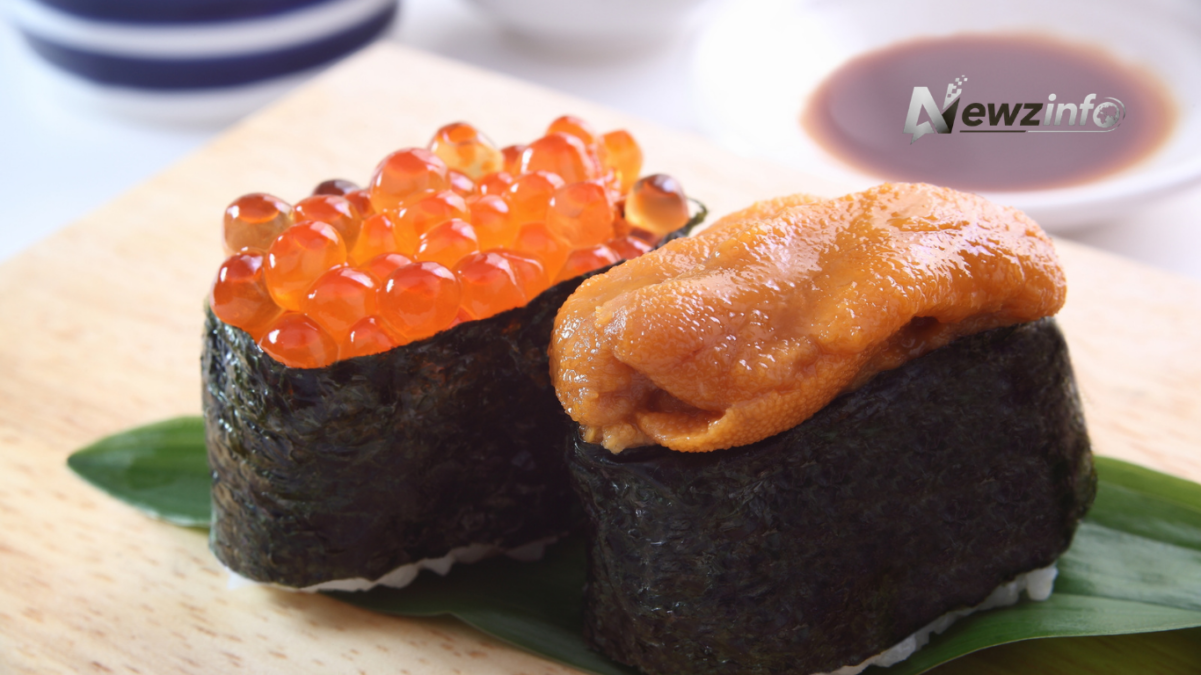
- Gunkanmaki (“battleship” sushi) uses a strip of nori to form a small boat around rice, then fills the top with soft ingredients such as sea urchin, salmon roe or spicy tuna.
- Inarizushi consists of sushi rice stuffed into seasoned, deep-fried tofu pockets. Sweet and savoury, it is popular in lunchboxes and as a vegetarian option.
- Oshizushi (pressed sushi) is made by layering rice and toppings in a wooden mould and pressing them firmly, then cutting into neat rectangles. It is especially associated with the Kansai region.
- Temarizushi are small, ball-shaped pieces often decorated for parties or special occasions.
Older fermented styles such as narezushi still exist in certain regions of Japan, though they are far less common on everyday menus.
Western Influences and Modern Variations
Outside Japan, sushi has absorbed local ingredients and preferences. Cream cheese, avocado, spicy mayonnaise and cooked fillings became standard in many countries. Vegetarian and vegan rolls using avocado, cucumber, carrot, asparagus or plant-based alternatives have grown in popularity. Some restaurants experiment with tempura-battered rolls, fusion flavours or even dessert-style pieces. These adaptations have helped sushi reach a broader audience while traditional forms continue to be refined by skilled chefs.
Enjoying Sushi Well
A few simple practices enhance the experience. Freshness matters most, especially with raw fish. Many people prefer to eat nigiri with their hands and rolls with chopsticks. Wasabi and ginger are palate cleansers rather than heavy condiments. Soy sauce should be used sparingly so it does not mask the flavours. Ordering a mix of styles — a few nigiri, some maki and a temaki or chirashi — gives a fuller sense of the different types of sushi available.
Quick Reference Guide to Common Types
| Type | Key Feature | Typical Ingredients |
| Nigiri | Hand-pressed rice with topping | Fish, seafood, egg |
| Maki | Nori outside, rice and filling inside | Fish, vegetables, multiple fillings |
| Uramaki | Rice outside, nori inside | Crab, avocado, sesame, various fish |
| Temaki | Cone-shaped hand roll | Rice, fish, vegetables |
| Sashimi | Sliced fish, no rice | Raw seafood |
| Chirashi | Scattered toppings over rice | Assorted fish and vegetables |
| Inari | Rice in tofu pouch | Seasoned rice, sometimes vegetables |
| Gunkanmaki | Nori “boat” filled on top | Roe, soft seafood |
Conclusion
The different types of sushi reflect both centuries of Japanese culinary tradition and the creativity of cooks worldwide. From the elegant simplicity of nigiri to the playful abundance of futomaki and the approachable charm of uramaki, each style offers its own textures, flavours and visual appeal. Exploring them deepens appreciation for the care that goes into the rice, the selection of ingredients and the presentation.