Technology
Discover the Ninja Food Processor Attachment: The Kitchen Game-Changer Transforming Home Cooking


In the bustling world of modern kitchens, where time is precious and versatility is everything, few accessories have made as significant an impact as the Ninja food processor attachment. Whether you’re a busy parent whipping up weeknight meals or a keen home cook experimenting with new recipes, this clever add-on promises to streamline food preparation like never before.
Ninja, the brand synonymous with powerful, innovative kitchen appliances, has built a reputation for delivering high-performance tools that punch well above their weight. The food processor attachment extends this ethos, turning compatible blenders into fully-fledged food processors. In this in-depth feature, we explore its design, capabilities, and why it continues to capture the attention of home cooks across the UK and beyond.
Origins and Background of the Ninja Food Processor Attachment
The story of the Ninja food processor attachment begins with SharkNinja, the parent company founded on a mission to revolutionise everyday household tasks. Ninja kitchen systems emerged in the early 2010s as multi-functional powerhouses, combining blending prowess with additional capabilities.
Early Ninja models focused primarily on smoothies and drinks, but consumer demand for more comprehensive food prep solutions led to the development of dedicated attachments. The food processor bowl and its accompanying blades and discs were designed as modular extensions, allowing users to expand their existing appliance’s functionality without purchasing an entirely new machine.
This modular approach reflected a broader industry shift towards sustainable, space-saving kitchen solutions. Rather than cluttering countertops with separate gadgets, the Ninja food processor attachment offered a smart, integrated alternative. Compatibility with popular models like the BN801 and similar kitchen systems quickly made it a favourite among UK households.
Design and Key Features
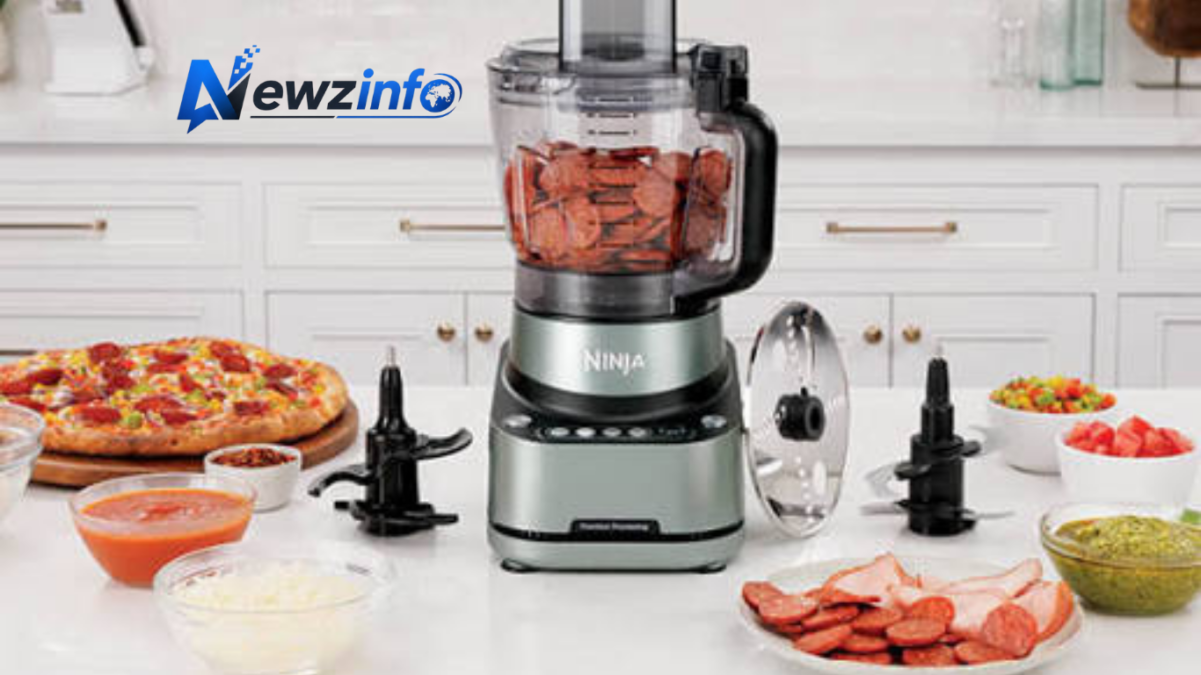
At its core, the Ninja food processor attachment typically includes a generous bowl (often around 2.1L or 64oz in larger systems), a range of stainless-steel blades, and specialised discs for slicing and shredding. Many versions feature a feed chute lid and pusher for safe, continuous processing of larger ingredients.
Power comes from the base motor of the compatible Ninja system, often delivering 850W to 1200W or more, providing ample torque for tough tasks. Auto-iQ technology is a standout element in many models, offering pre-programmed settings for chopping, pureeing, dough-making, and more. This intelligent automation takes the guesswork out of processing, delivering consistent results every time.
The reversible slicing and shredding discs are particularly praised. One side handles delicate slicing for vegetables or potatoes, while the other tackles shredding cheese, cabbage for coleslaw, or carrots for salads. A chopping blade excels at everything from salsa to nut butters, and a dough blade makes light work of pizza bases and bread dough.
Safety features, such as secure locking mechanisms and sturdy construction, ensure peace of mind during use. The bowls are typically made from durable, BPA-free materials that withstand regular dishwasher cleaning, adding to the attachment’s practical appeal.
How the Ninja Food Processor Attachment Enhances Everyday Cooking
One of the greatest strengths of the Ninja food processor attachment lies in its versatility. It excels at batch preparation, making it ideal for meal prepping. Imagine processing a week’s worth of vegetable bases for soups or sauces in minutes, or quickly grating cheese for homemade pizzas and bakes.
For bakers, the dough function is transformative. It kneads mixtures evenly without the manual effort traditionally required, opening up homemade bread and pastry making to a wider audience. Health-conscious cooks appreciate its ability to create fresh dips, pestos, and baby foods with precise control over textures.
The attachment also shines in creative cooking. From spiralising vegetables (in compatible systems) to making uniform slices for elegant gratins, it elevates presentation as well as efficiency. UK users frequently highlight its performance with traditional ingredients like root vegetables for Sunday roasts or preparing large quantities for family gatherings.
Career Milestones: The Rise of Ninja Kitchen Systems
Ninja’s journey in the kitchen appliance market mirrors a classic success story. What began as a focus on high-powered blenders expanded rapidly as the brand listened to customer feedback and iterated on designs. The introduction of food processor attachments represented a pivotal milestone, broadening the appeal from smoothie enthusiasts to all-round home chefs.
Major collaborations with retailers like Amazon, Argos, and department stores in the UK helped propel these systems into mainstream kitchens. Positive user reviews and word-of-mouth recommendations further cemented their reputation. Awards and “best buy” accolades in consumer tests underscored the quality and value offered.
Public perception remains strong, with many praising the robust build and reliable performance compared to more expensive standalone food processors. The attachment’s ability to integrate seamlessly with existing Ninja bases has been a key factor in its enduring popularity.
Challenges and Innovations in Kitchen Tech
Like any innovative product, the Ninja food processor attachment has navigated challenges. Early feedback sometimes pointed to limitations in feed chute size or the need for precise assembly of discs. Ninja responded with refinements, including improved lids and additional accessories.
Compatibility remains an important consideration. Not every Ninja blender base works with every food processor bowl, so checking model numbers is essential. Official SharkNinja support and parts availability help address wear and tear over time.
These hurdles have driven ongoing innovation, with newer Detect series models incorporating smarter sensors and enhanced power management for even better results.
Personal Touches: User Experiences and Tips
While the Ninja food processor attachment is a tool rather than a person, its “life” in kitchens across the country creates countless personal stories. Home cooks share triumphs like perfectly uniform vegetable prep for stir-fries or effortless pastry for weekend pies. Families bond over joint cooking sessions made faster and safer by the appliance’s intuitive design.
Tips from experienced users include starting with softer ingredients when learning the Auto-iQ programmes and using the pulse function for more control over chunkier textures. Proper cleaning immediately after use extends the life of blades and seals significantly.

Quick Facts
| Detail | Information |
| Product Line | Ninja Food Processor Attachment / Bowl |
| Compatible Brands | Ninja (SharkNinja) Kitchen Systems |
| Typical Capacity | 2.1L (approx. 64oz in larger models) |
| Key Technologies | Auto-iQ, Stainless Steel Blades/Discs |
| Years Active | 2010s–present |
| Known For | Versatile food prep, modularity |
| Estimated Value | Varies; attachments often £50–£150+ |
Lasting Impact on Modern Kitchens
The Ninja food processor attachment has influenced how we approach meal preparation, emphasising efficiency without sacrificing quality. It democratises advanced food processing techniques, making them accessible for everyday use rather than reserved for professional kitchens.
Its influence extends to encouraging more home cooking by reducing prep time and cleanup. In an era of rising food costs and health awareness, tools like this support better eating habits through fresh, homemade meals.
Lessons from its development highlight the importance of modularity and user-centric design in consumer products. Ninja’s focus on powerful performance in compact forms continues to shape expectations in the small appliance category.
Conclusion
The Ninja food processor attachment stands as a testament to thoughtful engineering that genuinely improves daily life in the kitchen. From its innovative modular design to its impressive range of functions, it delivers on the promise of smarter, faster cooking. Whether you’re upgrading an existing Ninja system or exploring options for versatile food preparation, this attachment offers remarkable value and performance.

In a world where electric cars often feel out of reach, the Leapmotor C10 arrives as a genuine breath of fresh air. Families searching for the Leapmotor C10 are not just looking for another SUV — they want practicality, peace of mind, and a vehicle that fits real life without the premium price tag. The Leapmotor C10 has quickly become a talking point among parents, first-time EV buyers, and value-conscious drivers who refuse to compromise on space or features. Its story is one of smart engineering meeting everyday needs, making clean mobility feel personal and achievable.
Background and “Birth” of the Leapmotor C10
The Leapmotor C10 was born from China’s ambitious EV push and a clear mission to create global-ready family transport. Leapmotor, founded in 2015 in Hangzhou, unveiled the C10 concept at the 2023 Munich Motor Show. It officially launched in China in March 2024 as the brand’s first true global model built on the LEAP 3.0 platform.
Designed from the start for international markets, the C10 entered Europe in late 2024 through the Stellantis joint venture and reached Australia and other regions soon after. Unlike many Chinese models adapted later, this mid-size crossover was engineered with European safety standards, spacious interiors, and competitive pricing in mind. Available as a pure battery electric (BEV) with a roughly 70 kWh battery or as a range-extender (REEV) hybrid in some markets, it targets young families who want modern electric driving without range anxiety or high costs.
The Meaning and Significance Behind the Name
Leapmotor’s name itself carries purpose. “Leap” signals a bold jump into the future of mobility, while the Chinese “Língpǎo” evokes zero emissions and forward motion. The C10 follows the brand’s alphanumeric system — C-series for larger family-oriented vehicles — positioning it above city cars like the T03 and alongside siblings such as the C11 and C16.
The number “10” suggests a solid, approachable entry into the mid-size segment rather than an extreme performance flagship. For buyers, the name has come to represent accessible progress: an electric SUV that feels premium yet remains grounded in everyday practicality. It stands for the idea that advanced technology and family comfort no longer need to be exclusive.
The Leapmotor “Family” — Models and Variants
The Leapmotor C10 sits within a growing lineup that feels like a supportive family of vehicles:
- Leapmotor T03 — Compact city EV, ideal for urban first-timers
- Leapmotor C11 — Earlier mid-size sibling with strong domestic popularity
- Leapmotor C16 — Larger three-row option for bigger households
- Leapmotor B10 — Newer compact SUV expanding the range
- C10 variants — Pure electric (approx. 215–218 hp rear-motor, ~260 miles WLTP range) and REEV range-extender versions offering extended total range
These models share Leapmotor’s in-house technology focus and the backing of Stellantis for international sales and service.
Public Reaction and Real-World Reception
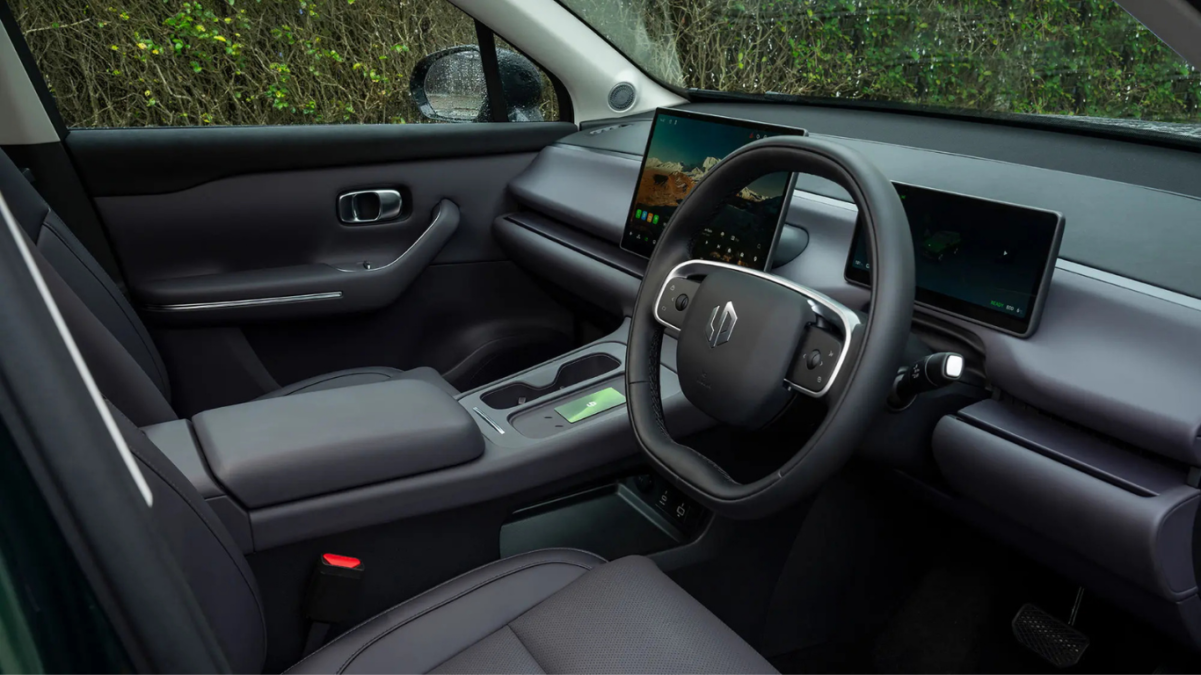
Reviews of the Leapmotor C10 have been largely positive on value and practicality. Critics praise its spacious cabin, high standard equipment (panoramic roof, heated/ventilated seats, large screens, 360-camera), quiet ride, and competitive pricing — often undercutting rivals like the Tesla Model Y, Kia EV5, or Skoda Enyaq by a noticeable margin in many markets.
Some note the ride can feel firm on poorer roads, charging speeds are modest (around 84 kW DC), and the pure-electric range sits in the solid but not class-leading 260–270 mile WLTP territory. Still, the generous equipment list, five-star safety ratings in tested regions, and strong ownership packages have won over many buyers. Sales have been robust in China, with steady growth as the model expands globally through Stellantis networks.
The Emotional and Human Side of Owning a Leapmotor C10
Beyond specs, the Leapmotor C10 connects with people on a human level. Parents talk about the near-limo rear legroom that makes school runs and long trips calmer. The flat-folding seats that create a surprisingly large load bay turn weekend adventures or even impromptu camping into possibilities. For many first-time EV owners, the lower price removes the guilt or financial stretch often associated with going electric.
It represents quiet confidence rather than flashy status — a reliable partner that lets families focus on moments together instead of charging stress or compromise. In an era of expensive new cars, the C10 offers a sense of possibility: cleaner driving that feels inclusive and thoughtful.
Why People Search for the Leapmotor C10
Interest in the Leapmotor C10 keeps rising because it answers urgent questions. Shoppers compare it directly to more expensive EVs and ask whether the savings come with real quality. Families want confirmation on space, safety, real-world range, and long-term support through the Stellantis partnership. Others are simply curious about this relatively new Chinese brand that suddenly appears competitive in Europe, Australia, and beyond.
The combination of loaded features at an approachable price, dual powertrain options in some markets, and a growing global footprint makes the Leapmotor C10 a frequent search topic for anyone researching smart, modern family transport.
FAQ: People Also Ask About the Leapmotor C10
What is the range of the Leapmotor C10?
The pure-electric version typically offers around 260–270 miles (WLTP) from its ~70 kWh battery. The REEV range-extender version adds a petrol generator for significantly longer total range in markets where it is offered.
How much does the Leapmotor C10 cost?
Pricing varies by market but often starts competitively — for example around £36,500 in the UK or equivalent value positioning in Australia and Europe — usually undercutting many direct rivals while including high equipment levels.
Is the Leapmotor C10 reliable?
As a newer model, long-term data is still building, but early reviews highlight solid build quality, quiet operation, and the backing of Stellantis for parts and service networks outside China.
Does the Leapmotor C10 have a hybrid option?
Yes. In addition to the pure electric model, a range-extender (REEV) version uses a small petrol engine solely as a generator to keep the battery charged, delivering EV-like driving with greater flexibility.
How does the Leapmotor C10 compare to the Tesla Model Y?
It is generally more affordable and comes very well equipped as standard, with excellent rear passenger space. The Model Y typically leads on efficiency, charging speed, and brand software ecosystem, while the C10 wins on value and immediate feature richness for many buyers.
Conclusion
The Leapmotor C10 is more than another electric SUV on the market. It is a thoughtful response to the real needs of modern families — space that feels generous, technology that simplifies life, and a price that makes the electric transition feel possible rather than privileged. Whether you are drawn by its practical design, the reassurance of the Stellantis partnership, or simply the quiet joy of a calm, capable family companion, the Leapmotor C10 invites you to take that leap with confidence. In the end, the best cars are the ones that disappear into the background of good memories. This one seems built exactly for that.
Must Read: Who Is Megan Telles? The Heartfelt Journey of KTLA’s Beloved Morning Anchor
In the crowded world of online gaming content, certain sites quietly carve out a useful niche by focusing on clear guidance rather than constant hype. Playing game blog PlayBattleSquare has drawn attention from players looking for accessible articles on Minecraft, strategy tips and broader gaming topics. Readers often arrive seeking practical help with builds, mechanics or simply a place that explains ideas without assuming advanced knowledge.
Interest in the platform stems from its mix of tutorial-style writing and coverage of popular titles. Many visitors appreciate straightforward posts that help them improve at games they already play or discover new approaches. While the site presents itself as a hub for gamers of varying experience levels, publicly available details about its operations remain limited to what appears on its own pages and related coverage.
This article examines what is known about PlayBattleSquare based on its published material and visible structure, without relying on unverified claims.
Early Development and Background
Reliable public records offer little specific information about the precise founding date, original creators or early funding of PlayBattleSquare. The site itself describes its purpose as bringing together gaming knowledge, tips and updates in one place, with a particular emphasis on Minecraft content alongside industry news.
What is clear from its current presentation is a focus on helpful, readable material. Categories cover Minecraft builds, survival advice, redstone ideas and general gaming insights. Authors listed on posts include names such as Jeffery Williams, Eldranor Falden and Palrinor Corlas, though these appear to function as bylines rather than publicly detailed personal profiles. No confirmed biographical details about individual founders or early team members are widely available from independent sources.
The platform’s approach centres on making content approachable. Posts often aim to support both newer players and those seeking more specialised guidance. This educational tone forms the core of its identity as a resource rather than a pure entertainment or news outlet.
Growth and Content Focus
Playing game blog PlayBattleSquare has developed a presence through regular articles on practical gaming subjects. Minecraft features prominently, with guides on house designs, automatic farms, parkour, PvP minigames and inventory management for titles such as Murder Mystery 2. Other sections address broader topics including story-driven games, open-world experiences, campaign modes and occasional industry observations under labels such as Newsbeat.
The site positions itself as a place where readers can find strategy breakdowns, beginner-friendly explanations and community-oriented discussion points. Some descriptions associated with the platform mention browser-based multiplayer experiences involving geometric or square-themed characters in short arena matches. These accounts vary across sources and are not consistently verified through independent testing, so they should be treated cautiously. The primary visible activity remains written content rather than a fully hosted game service.
Key strengths highlighted in available material include clear language, category organisation and an emphasis on usefulness. Matchmaking or progression systems are sometimes referenced in promotional-style posts, yet the most consistent offering is informational articles that players can apply to games played elsewhere. Community elements such as comments and shared builds appear on some pages, supporting interaction among readers.
No major industry awards or high-profile collaborations with large studios are documented in reliable public sources. Recognition, where it exists, comes mainly from readers who value the practical focus.

Challenges and Adaptations
Like many online content platforms, PlayBattleSquare operates in a competitive space filled with large review sites, video creators and forums. Maintaining consistent, original material while competing for attention presents ongoing demands. Public information does not detail specific internal setbacks, staffing changes or technical difficulties.
What can be observed is a continued emphasis on Minecraft and related topics, which remain popular with a wide audience. The site’s structure—separating Minecraft guides, general gameplay advice and news—helps organise material for different reader needs. Where descriptions of interactive features appear, they are often presented alongside the core blog content, suggesting an effort to blend information with engagement opportunities.
Resilience in this context appears tied to regular publishing and a focus on evergreen advice that remains relevant beyond short-lived trends. No verified accounts of major crises or dramatic recoveries are available, and speculation on such matters is avoided here.
Community and Public Presence
Confirmed details about the personal lives of any individuals behind the platform are not publicly documented in reliable sources. The site’s “About” material refers to a team of passionate gamers, writers and enthusiasts without naming specific people or sharing private information. Relationships, family details or individual statements beyond the published articles are not part of the available record.
Public activity centres on the content itself. Readers can explore guides, leave comments where enabled and follow updates on Minecraft mechanics or gaming trends. The platform encourages learning and connection through shared knowledge rather than personal celebrity.
Recent Activity and Ongoing Work
Recent posts continue to cover Minecraft tactics, house ideas, shop habits in specific titles and broader reflections on story-rich or campaign-style games. The site maintains categories that allow readers to navigate by interest. Some material discusses joining servers, hosting minigames or improving performance in multiplayer settings.
No independent confirmation exists of large-scale charity initiatives, formal business ventures beyond the website, or high-profile advocacy campaigns. The stated vision, according to the site’s own description, involves growing as a trusted resource that keeps players informed and helps them discover useful ideas.
Activity remains centred on content production and providing accessible information for the gaming audience.
Quick Overview
| Detail | Information |
| Full Name | PlayBattleSquare (also referred to as playing game blog PlayBattleSquare) |
| Date of Birth | Not publicly confirmed |
| Place of Birth | Not publicly confirmed |
| Nationality | Not publicly confirmed |
| Profession | Gaming blog and content platform |
| Years Active | Active in recent years (exact start not independently verified) |
| Known For | Minecraft guides, strategy tips, gaming articles and community resources |
| Estimated Net Worth | No reliable public figures available |
Only details supported by the platform’s visible presence and related public descriptions are included. Many aspects remain undocumented outside the site itself.
Influence and Continuing Relevance
PlayBattleSquare matters to readers who prefer written guides they can consult at their own pace. Its influence lies mainly in the practical help offered for Minecraft building, survival and related multiplayer activities, alongside occasional broader gaming commentary. Public perception, based on available coverage, tends to view it as a straightforward resource rather than a mainstream media brand.
The platform illustrates how focused, clear content can serve players who want to improve without navigating endless video feeds or highly technical forums. Lessons from its approach include the value of organised categories, readable explanations and consistency in covering enduring topics such as Minecraft creativity.
Conclusion
The story of playing game blog PlayBattleSquare is one of a content-focused site aiming to support gamers through useful articles and structured advice. While many personal and operational details remain private or unconfirmed, the visible work centres on helping readers navigate popular games more effectively.
Must Read: Andrew Santino Wife: Marriage, Privacy, Career, Age, Height, and More
In the fast-moving world of technology and investment, few stories capture the shift from traditional software to AI-powered growth quite like that of Beacon Software. Readers seeking the latest tech info at BeaconSoft often find themselves drawn to its founder, Nilam Ganenthiran, whose path from a Toronto grocery store to the top of Silicon Valley and back to building a new kind of holding company feels both familiar and forward-looking.
Ganenthiran has become a recognised figure in Canadian and North American tech circles for his role in scaling Instacart and, more recently, for launching Beacon Software in 2024. The company acquires profitable niche software businesses that serve everyday industries and equips them with artificial intelligence tools, engineering talent and shared operating systems. Interest remains high because the model challenges conventional private-equity approaches while addressing a genuine gap: modernising the software that powers much of the real economy.
Early Life and Background
Nilam Ganenthiran was born in Kuala Lumpur. In 1990, when he was six years old, his parents moved the family to Toronto in search of better educational and career opportunities. He grew up in Scarborough as an only child. His mother, a dentist, stepped back from her profession to raise him, while his father worked in sales. Watching his father build relationships left a lasting impression and later influenced Ganenthiran’s own preference for people-centred work.
His first job, at the age of 16, was as a cashier at a Food Basics supermarket. The role exposed him to the rhythms of retail, the impact of government benefit cycles on sales, and the everyday realities of grocery shopping. He has often described those early shifts as formative.
Ganenthiran studied finance and marketing at York University’s Schulich School of Business, initially considering a career in accounting. An internship at Procter & Gamble redirected him into sales and brand management. He sold products such as Tide into retailers including Zellers and later moved into brand work on pet food. After graduating in 2006, he continued at P&G while completing his degree part-time. He then earned an MBA from Harvard Business School, living in Boston and broadening his exposure to global industries and people.
Following business school he joined A.T. Kearney as a management consultant focused on consumer retail and grocery clients. The combination of hands-on retail experience, brand work and consulting prepared him for the opportunity that would define the next chapter of his career.
Career and Rise to Fame
In 2013 Ganenthiran joined Instacart as one of its earliest employees—commonly described as employee number 12 and the first non-technical hire. He had been introduced to founder Apoorva Mehta through a mutual connection. After initially declining an earlier invitation, he accepted a later offer, motivated in part by the birth of his daughter and a growing conviction that grocery e-commerce needed a dedicated solution.
Over more than eight years he rose through the ranks, eventually serving as President. He helped scale the company from a single-city operation into a major platform valued in the tens of billions at its private peak. His background in grocery operations and retail partnerships proved valuable as Instacart navigated growth, logistics challenges and the surge in demand during the early pandemic period.
The approach has been described by Ganenthiran as an “anti-private equity” model. Rather than cutting costs for a short-term exit, Beacon emphasises long-term ownership, founder continuity and growth through technology. By mid-2026 the company had completed more than 30 acquisitions and was adding roughly one business per week. It reported significant improvements in operating earnings across the portfolio, driven in part by AI adoption and operational support. Funding milestones included a Series B of US$250 million in late 2025 and a Series C of US$225 million in 2026, bringing total capital raised past US$550 million and supporting a valuation reported above US$1.4 billion. Lead investors included General Catalyst and HarbourVest Partners, with participation from Lightspeed Venture Partners, Intrepid Growth Partners and others.

Personal Challenges or Turning Points
Public accounts of Ganenthiran’s career highlight several decision points rather than dramatic personal crises. One early choice was declining an initial opportunity to join Instacart because of family considerations and risk tolerance; the later decision to join after the birth of his daughter reflected a recalibration of priorities. Scaling Instacart involved the usual pressures of rapid growth, including moments of self-doubt common among operators in high-stakes environments, and a noted board discussion that emphasised building a sustainable business rather than delaying profitability indefinitely.
The transition from operator to investor at D1, followed by the decision to found Beacon, represented another deliberate shift. Ganenthiran has spoken of trusting instinct when assessing the potential of AI coding tools to modernise legacy software. No major verified personal setbacks beyond the ordinary challenges of entrepreneurship and family relocation appear in reliable public sources. His trajectory instead illustrates steady adaptation and a willingness to move between operating, investing and founding roles.
Personal Life
Ganenthiran is married and has children; his daughter Sita has been mentioned in interviews in the context of career decisions. The family is based in Toronto. He has served on boards including the SickKids Foundation (Audit & Finance and Research Committees) and as a Director on the Board of Governors of The Bishop Strachan School, where he has chaired the Finance & Audit Committee. Public statements tend to focus on professional lessons, the importance of relationships and the value of long-term thinking rather than private details. Reliable sources contain no further confirmed information about relationships or family life beyond these points.
Later Career and Current Activities
Since founding Beacon Software, Ganenthiran has concentrated on building the holding company’s shared AI operating platform, expanding the acquisition pace and supporting portfolio companies with engineering resources, back-office automation and product improvements. The firm maintains offices in Toronto and San Francisco and continues to target self-funded, entrepreneur-led software businesses with sustainable revenue in specialised markets.
Recent activity includes partnerships that bring AI training and tools to portfolio customers, leadership hires, and public commentary on the opportunity to modernise software serving industries that represent a large share of economic activity. Charity and board work with SickKids and educational institutions continues alongside the day-to-day demands of scaling Beacon. Advocacy centres on the practical deployment of AI for real-economy businesses rather than abstract technology narratives.
Quick Bio
| Detail | Information |
| Full Name | Nilam Ganenthiran |
| Date of Birth | Not publicly confirmed |
| Place of Birth | Kuala Lumpur |
| Nationality | Canadian |
| Profession | Entrepreneur, investor, former technology executive |
| Years Active | Approximately 2004–present |
| Known For | President of Instacart; founder & CEO of Beacon Software |
| Estimated Net Worth | Not publicly confirmed |
Legacy and Lasting Impact
Nilam Ganenthiran remains relevant because his career bridges traditional retail operations, high-growth consumer technology and a new model for applying AI to established software businesses. At Instacart he helped demonstrate how technology could reshape everyday grocery shopping. At Beacon he is testing whether permanent capital, shared platforms and applied artificial intelligence can improve the tools used by niche but essential industries.
Public perception positions him as a builder who understands both the front line of retail and the capital markets required to scale. The lasting influence of his current work will depend on whether the AI-enabled roll-up approach delivers sustained growth for the companies Beacon acquires and meaningful improvements for their customers. Lessons from his path include the value of early practical experience, the willingness to revisit earlier decisions, and the conviction that technology can serve ordinary economic activity as effectively as it serves consumer platforms.
Conclusion
From a cashier’s till in Scarborough to the leadership of a rapidly expanding AI-focused holding company, Nilam Ganenthiran’s story reflects steady curiosity, operational discipline and a preference for long-term ownership over short-term exits. The latest tech info at BeaconSoft continues to centre on this experiment in modernising Main Street software with artificial intelligence while preserving the identity and teams of the businesses acquired.
Must Read: OT7 Quanny Age, Height, Career, Net Worth, and Biography

Dave Calhoun and Gautam Adani: The Human Stories Behind Two Titans Who Faced the Storm

Who Was Nolan Pentz Martinez Father? The Quiet Man Behind a Musical Legacy

Who Is Glena Goranson? The Quiet Strength and Heartfelt Story Behind Pete Carroll’s Life


 Technology2 months ago
Zingyzon.com in USA: Your Practical Guide to Smarter Home Living
- Technology2 months ago
Exploring Glaadvoice.com: An Independent Voice in Digital Media
- Fashion2 months ago
Home Decor Ideas TheHomeTrotters: Timeless Inspiration for Creating a Home You Love
- Celebrity2 months ago
Tanner Wiseman Net Worth 2026: Age, Career, Family and Biography
- Technology2 months ago
Yonosamachar Com: Exploring the Rise of a Digital News Platform in the Modern Information Age
- Celebrity2 months ago
Nancy Guthrie Update: Suspect Search and Ongoing Investigation into the Disappearance of Savannah Guthrie’s Mother
- Celebrity2 months ago
Jesse Belle Deutschendorf: The Private Artistic Life of John Denver’s Daughter
- Fashion2 months ago
Gelato Pique: The Japanese Brand Turning Loungewear into Wearable Dessert