Fashion
Crocs Nursing Shoes: Why These Iconic Clogs Remain a Healthcare Staple

In hospital corridors and busy wards across the United Kingdom and beyond, one pair of footwear appears with remarkable consistency. Crocs nursing shoes have become a familiar sight on the feet of nurses, doctors and other healthcare professionals who spend long hours standing, walking and responding to the demands of their roles. What began as an unconventional foam clog has evolved into a practical solution that prioritises comfort, hygiene and safety.
Readers continue to seek information about Crocs nursing shoes because they address a universal challenge faced by those on their feet for 12-hour shifts or more. The combination of lightweight construction, easy cleaning and slip-resistant options has made them a go-to choice for many. While opinions on their appearance vary, their functional benefits have earned them a lasting place in clinical environments.
This article explores the background of the brand, the features that appeal to nurses, the models designed with healthcare in mind, and the reasons these shoes continue to matter in modern nursing practice.

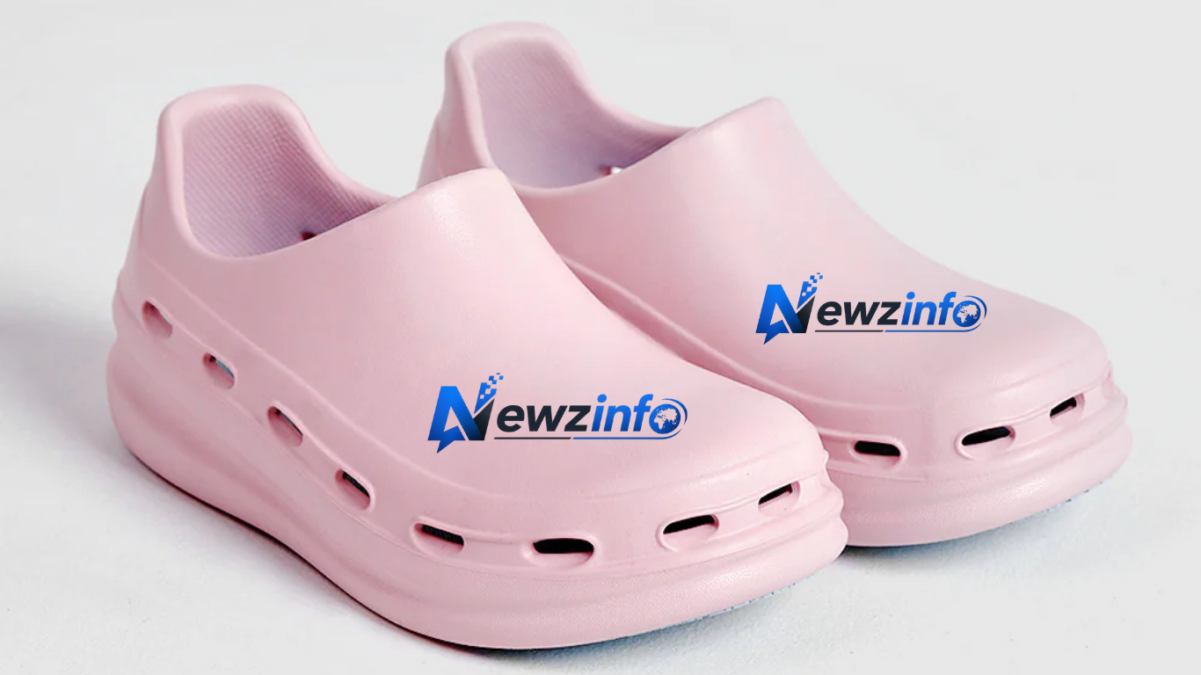
Early Origins and Brand Background
Crocs were founded in 2001 by Scott Seamans, Lyndon “Duke” Hanson and George Boedecker Jr. The idea took shape after Seamans encountered a foam clog made by the Canadian company Foam Creations while sailing. The material, later known as Croslite, was lightweight, waterproof, buoyant and surprisingly comfortable. The founders refined the design, added a pivoting heel strap for better security, and launched the first model, called the Beach, at the Fort Lauderdale Boat Show in 2002. The initial 200 pairs sold out quickly.
Originally intended as boat shoes inspired by traditional Dutch clogs, Crocs soon attracted attention far beyond sailing circles. Early buyers included chefs, gardeners and, notably, hospital staff who valued the cushioning and ease of cleaning. By 2004 the company had secured exclusive rights to the Croslite material. The distinctive holes in the upper provided ventilation and drainage, while the closed-cell foam resisted odours and moulded gently to the wearer’s foot over time.
The brand’s early years were marked by rapid growth and equally rapid criticism. Some dismissed the shoes as unattractive, yet their practical advantages kept demand high. Healthcare workers were among the first professional groups to embrace them, recognising that a shoe that could be wiped clean after exposure to fluids offered a clear advantage over traditional leather or fabric options.
Career Rise: Becoming a Favourite Among Nurses
Crocs nursing shoes gained traction because they addressed the specific needs of clinical work. Long shifts on hard floors place significant stress on feet, legs and backs. The proprietary Croslite foam delivers cushioning and a degree of arch support that many wearers find helpful. The material is water-resistant and non-porous, so spills can be wiped away with soap and water or disinfectant, reducing the risk of carrying contaminants home.
Slip resistance became another key selling point. Models developed for professional use feature Crocs Lock tread, designed to meet or exceed industry standards for traction on wet or oily surfaces. Enclosed-toe designs protect against spills and dropped objects, a practical consideration in busy wards and operating theatres. Many hospitals and care settings have policies that permit these closed styles while restricting open or hole-filled versions for infection-control reasons.
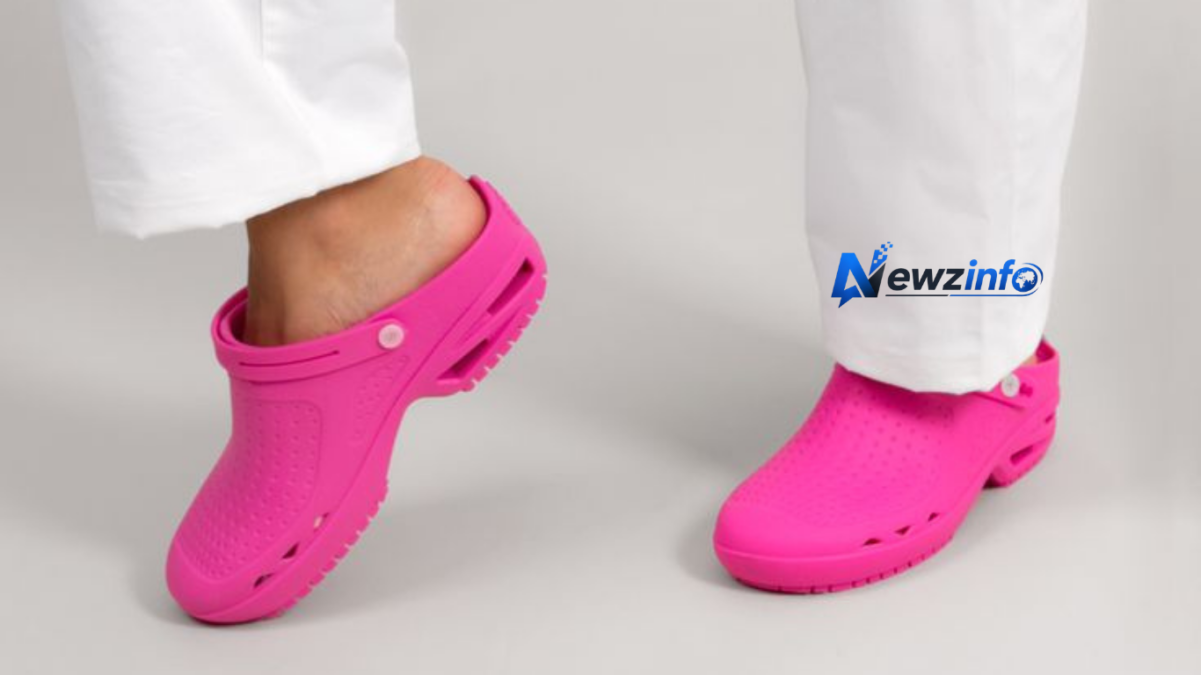
Popular models include the On The Clock work clog, which offers an enclosed design and slip-resistant sole suitable for workplace standards; the Bistro clog, created with hospitality and healthcare in mind and featuring thicker toe protection; and the Neria Pro II, which includes options with removable, washable footbeds and LiteRide foam for enhanced cushioning. These styles are available in colours that often comply with uniform codes, including black, white and navy.
During the COVID-19 pandemic the brand’s connection with healthcare deepened. Crocs donated nearly one million pairs of shoes to frontline workers between 2020 and 2023 through its Free Pair for Healthcare programme and later nomination schemes. The company also introduced ongoing discounts for verified healthcare professionals, recognising the physical demands of the role.
Public reputation among nurses is mixed but generally pragmatic. Many praise the shoes for remaining comfortable after hours of standing and for the speed with which they can be cleaned. Others note that the foam can compress over time and recommend adding supportive insoles for those with specific foot needs. Podiatrists and experienced nurses often advise checking facility dress codes and choosing enclosed, certified slip-resistant models rather than classic beach-style clogs.
Challenges and Practical Considerations
Like any widely used product, Crocs nursing shoes have faced scrutiny. Early criticism focused on aesthetics, with some media outlets labelling them among the least attractive footwear options. Within clinical settings the main concerns have centred on whether the foam provides sufficient long-term support for those with plantar fasciitis or other conditions, and whether open designs risk fluid exposure.
Verified feedback from nurses highlights both strengths and limitations. The lightweight feel reduces fatigue for some, yet others prefer more structured shoes such as Danskos for greater stability. The material’s durability is generally strong, with many pairs lasting through months of daily wear, though the footbed can flatten with intensive use. Facilities that prohibit traditional Crocs often accept the professional lines that meet closed-toe and slip-resistance requirements.
The brand has responded by refining its work range. Features such as pivoting heel straps, thicker metatarsal protection and certified tread ratings address earlier shortcomings. Nurses themselves often customise their approach—pairing the shoes with compression socks, orthotic inserts or rotating multiple pairs to extend lifespan.
Everyday Appeal and Customisation
Beyond pure function, Crocs nursing shoes allow a degree of personal expression that many healthcare workers welcome. The holes in classic styles accommodate Jibbitz charms, small decorative pieces that can display personality, favourite colours or even medical motifs. While professional models prioritise coverage over decoration, the broader brand culture of customisation has filtered into the workplace in subtle ways. Colour choices themselves offer variety within the constraints of uniform policies.
Public statements from the company consistently emphasise support for healthcare workers. Annual Nurses Week promotions, healthcare-specific discounts and previous donation programmes reflect an awareness of the physical and emotional demands of the profession. These initiatives have strengthened loyalty among many users who appreciate both the product and the recognition.
Recent Developments and Ongoing Use
In recent years Crocs has expanded its professional offering. LiteRide technology provides softer, more resilient cushioning in selected models. Hybrid styles that blend clog practicality with sneaker-like elements have appeared, aiming to appeal to those who want a more conventional look while retaining easy-clean properties. The company continues to market specifically to nurses and other on-their-feet professionals, highlighting comfort, safety and hygiene.
Public appearances of the brand remain strong in healthcare settings. Social media and nursing forums frequently feature discussions of preferred models, cleaning tips and comparisons with other work shoes. Charity and advocacy efforts, particularly the pandemic-era donations, have left a positive impression. Business-wise, Crocs has grown into a major global footwear company, with the professional and lifestyle ranges both contributing to its success.
Quick Facts
| Detail | Information |
| Brand Founded | 2001 |
| First Model | Beach clog (2002) |
| Material | Croslite foam resin |
| Key Professional Features | Slip-resistant tread, enclosed designs, easy clean |
| Popular Nursing Models | On The Clock, Bistro, Neria Pro II |
| Notable Initiative | Nearly 1 million pairs donated to healthcare workers |
| Availability | Global, including healthcare worker discounts |
| Known For | Comfort, hygiene and practicality in long shifts |
Legacy and Lasting Impact
Crocs nursing shoes matter because they solved a practical problem for people whose work demands constant movement and exposure to challenging conditions. Their influence lies less in high fashion and more in everyday utility. By prioritising cushioning, cleanability and traction, they helped shift expectations about what professional footwear can offer. Many nurses report that the right pair reduces end-of-shift discomfort and supports longer careers on the ward floor.
Public perception has softened over time. What was once widely mocked is now accepted as a functional tool in many clinical environments. The shoes illustrate how a product designed for one purpose—boating—can find a second life in an entirely different setting when it meets real needs. Lessons from their journey include the value of listening to user feedback, refining designs for specific workplaces, and recognising the physical toll of caring professions.
Conclusion
From a chance encounter on a boat to a familiar presence in hospitals, Crocs nursing shoes have travelled an unusual path. Their combination of lightweight comfort, straightforward cleaning and purposeful safety features continues to serve nurses who need reliable footwear for demanding days. While no single shoe suits every foot or every facility, the professional range has earned its place through consistent practical benefits rather than fleeting trends.