Food
Best Masaco Banana Near Me: Discovering Bolivia’s Comforting Classic

In the world of comforting, soul-warming dishes, few hold the same unpretentious appeal as masaco de plátano. For anyone typing “best masaco banana near me” into a search bar, the query often signals a craving for something hearty, rooted in tradition, and packed with simple, satisfying flavours. This Bolivian staple, made primarily from mashed plantains (a type of cooking banana), has quietly earned a devoted following among those exploring Latin American cuisine.
Whether you’ve encountered it in a Bolivian restaurant in London or while travelling through Santa Cruz or Beni, masaco banana offers a taste of eastern Bolivia’s culinary heritage. Its popularity in “near me” searches reflects growing interest in authentic, regional foods that deliver both nostalgia and novelty. Far from flashy fusion experiments, it remains a humble favourite that connects generations.
What Is Masaco Banana?
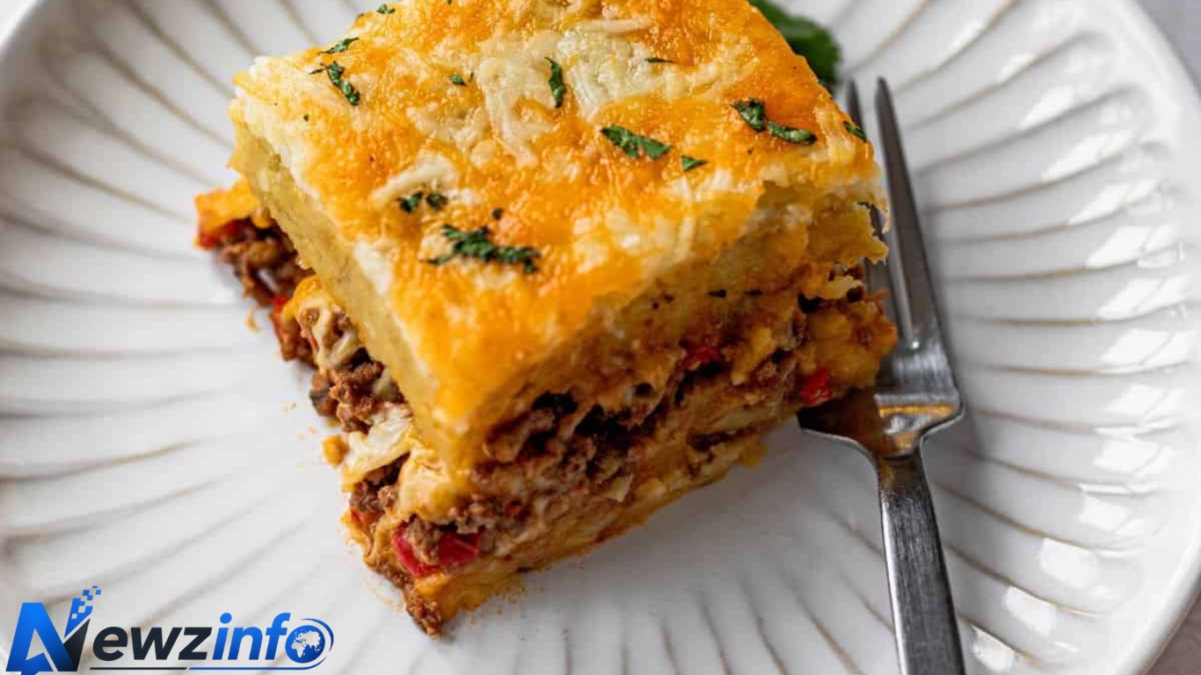
Masaco, sometimes called masaco de plátano, is a traditional Bolivian preparation from the country’s tropical eastern lowlands. The name derives from “masa,” referring to the dough-like texture achieved by mashing cooked plantains. Unlike sweet dessert bananas, plantains are starchy, firmer cooking bananas that develop pleasant sweetness and depth when prepared correctly.
Cooks typically fry, boil, or roast green or semi-ripe plantains before mashing them, often incorporating ingredients such as cheese, shredded charque (dried, salted beef), chicharrón (pork crackling), or simply salt and oil. The result is a versatile, comforting mash suitable for breakfast, snacks, or as an accompaniment to main meals. Its straightforward preparation makes it accessible yet deeply tied to local customs.

Origins and Cultural Significance
Plantains and cassava have long formed the backbone of cuisine in Bolivia’s Amazonian and lowland regions. Masaco banana emerged as a practical, nourishing dish for communities in areas like Santa Cruz and Beni, where these ingredients thrive. Indigenous groups and later settlers refined the recipe, adapting it with available proteins and fats.
Today, it symbolises everyday Bolivian hospitality. Families prepare it for casual lunches or special gatherings, and street vendors and markets often feature variations. Its enduring presence highlights how regional dishes maintain relevance amid modernisation.
How to Make Authentic Masaco Banana at Home
Creating masaco banana requires minimal equipment but attention to texture. Start with firm green plantains for a more savoury result or semi-ripe ones for subtle sweetness.
Basic steps include:
- Peeling and slicing the plantains.
- Frying or boiling until tender.
- Mashing thoroughly, traditionally in a wooden mortar (tacú) for authentic texture.
- Mixing in warm cheese, fried charque, or seasonings while hot.
Many home cooks experiment with additions like onions, garlic, or fresh herbs. The dish should hold together yet remain soft and yielding – never overly wet or dry.
Best Masaco Banana Near Me: Finding It in the UK and Beyond
Searches for “best masaco banana near me” frequently point users toward cities with established Latin American communities. In the UK, London offers the strongest prospects thanks to Peruvian, Bolivian, and broader South American eateries. Places specialising in Andean or Amazonian-inspired menus may feature masaco or similar plantain preparations.
When exploring locally, look for restaurants highlighting Bolivian or eastern Bolivian specialities. Peruvian spots sometimes offer close cousins, given shared ingredients across the region. For the most authentic experience, seek out family-run establishments or food stalls at Latin American festivals and markets. If none appear nearby, consider asking at specialist grocers for plantains to recreate the dish yourself.
Variations Worth Trying
Regional and personal twists keep masaco banana interesting:
- With cheese: A creamy, mild version popular as a snack.
- With charque: The traditional protein-packed rendition.
- With chicharrón: For added crunch and richness.
- Sweet-leaning: Using riper plantains for a gentle sweetness.
These adaptations demonstrate the dish’s flexibility while staying true to its mashed roots.
Nutritional Profile and Why It Appeals
Plantains provide complex carbohydrates, fibre, potassium, and vitamins. When paired with cheese or lean proteins, masaco becomes a balanced plate. Its satisfying density makes it ideal for active days or cooler weather, explaining its comfort-food status.
Preserving Tradition in Modern Times
As interest in global cuisines grows, masaco banana introduces new audiences to Bolivian food culture. Chefs and home cooks experiment while respecting core techniques, ensuring the dish evolves without losing its identity. Community events and cultural festivals often showcase it, helping maintain its place in the diaspora.
Quick Facts About Masaco Banana
| Detail | Information |
| Full Name | Masaco de Plátano (Mashed Plantain) |
| Origin | Eastern Bolivia (Beni, Santa Cruz) |
| Main Ingredient | Plantains (cooking bananas) |
| Common Additions | Cheese, charque, chicharrón, salt |
| Typical Serving | Breakfast, snack, side dish |
| Texture | Soft, mashed, dough-like |
| Cultural Role | Everyday comfort food |
Why Masaco Banana Continues to Delight
In an era of elaborate gastronomic trends, masaco banana stands out for its honesty. It requires good ingredients and care rather than complexity, delivering warmth and familiarity that resonates across cultures. For those searching “best masaco banana near me,” the quest often leads not just to a meal but to an appreciation of Bolivian resilience and resourcefulness.
Conclusion
Its story reminds us that some of the most rewarding foods emerge from necessity and tradition. Whether enjoyed in its homeland or recreated thousands of miles away, it offers a tangible link to place and heritage.