Food
Best King Kong Dulce Near Me: Discovering Peru’s Towering Iconic Sweet

If you’ve ever typed “best King Kong dulce near me” into a search engine, you’re not alone. This giant Peruvian treat, with its layers of crisp cookies and rich fillings, has captured the hearts (and taste buds) of locals and visitors alike. Far from an ordinary dessert, the King Kong dulce stands tall as a symbol of northern Peruvian culinary heritage, blending tradition, ingenuity, and irresistible flavour.
Whether you’re craving the classic manjar blanco version or exploring fruity variations, finding the best King Kong dulce near you often leads back to its roots in Lambayeque. This article delves into the story behind this beloved sweet, from its humble beginnings to its status as a must-try delicacy.
Early Origins and Background
The King Kong dulce traces its origins to the early 20th century in Lambayeque, a city on Peru’s northern coast known for its vibrant food culture. Around 1920, a local baker named Victoria Mejía de García, together with a group of women from the San Roque neighbourhood, created an oversized version of the traditional alfajor to provide an affordable, substantial treat for working families.
These early King Kongs were essentially supersized alfajores—layered cookies filled with sweet pastes. The original concept built on Peru’s long history with alfajores, but the scale made it distinctive. Measuring around 18 centimetres high and weighing up to two kilograms in some versions, it earned its dramatic name later.
In 1933, as the film King Kong played in local theatres, residents playfully compared the towering dessert to the giant ape. The name stuck, transforming a practical creation into a cultural icon. By 1943, the García Mejía family’s San Roque company had patented the recipe for “King Kong de manjar blanco,” securing its place in Peruvian gastronomy.
Lambayeque’s environment influenced the sweet’s development. The region’s abundant produce, including pineapples and peanuts, naturally found their way into variations, while manjar blanco (a slow-cooked milk caramel similar to dulce de leche) provided the signature creamy richness.
The Rise to Fame and Cultural Significance
What began as a local speciality quickly spread across northern Peru, particularly to nearby Chiclayo. Today, King Kong dulce is recognised as cultural heritage in Lambayeque and remains a staple at family gatherings, festivals, and tourist stops.
Its breakthrough came through word-of-mouth and family businesses. San Roque became the most recognised producer, but dozens of artisanal makers in the region offer their own interpretations. The dessert’s popularity surged as Peruvian communities abroad sought tastes of home, leading to exports and online availability.
Major milestones include the annual King Kong Festival in Lambayeque, where producers showcase innovations alongside traditional recipes. The sweet has also featured in Peruvian gastronomic promotions worldwide, helping elevate the country’s diverse dessert traditions beyond ceviche and pisco.
Public reputation remains strong: it is celebrated for authenticity, generous portions, and the perfect balance of textures—crunchy biscuit layers yielding to smooth, sweet fillings. No single “best” exists for everyone, but San Roque’s version often tops recommendations for consistency and flavour fidelity to the original.


Variations and Innovations
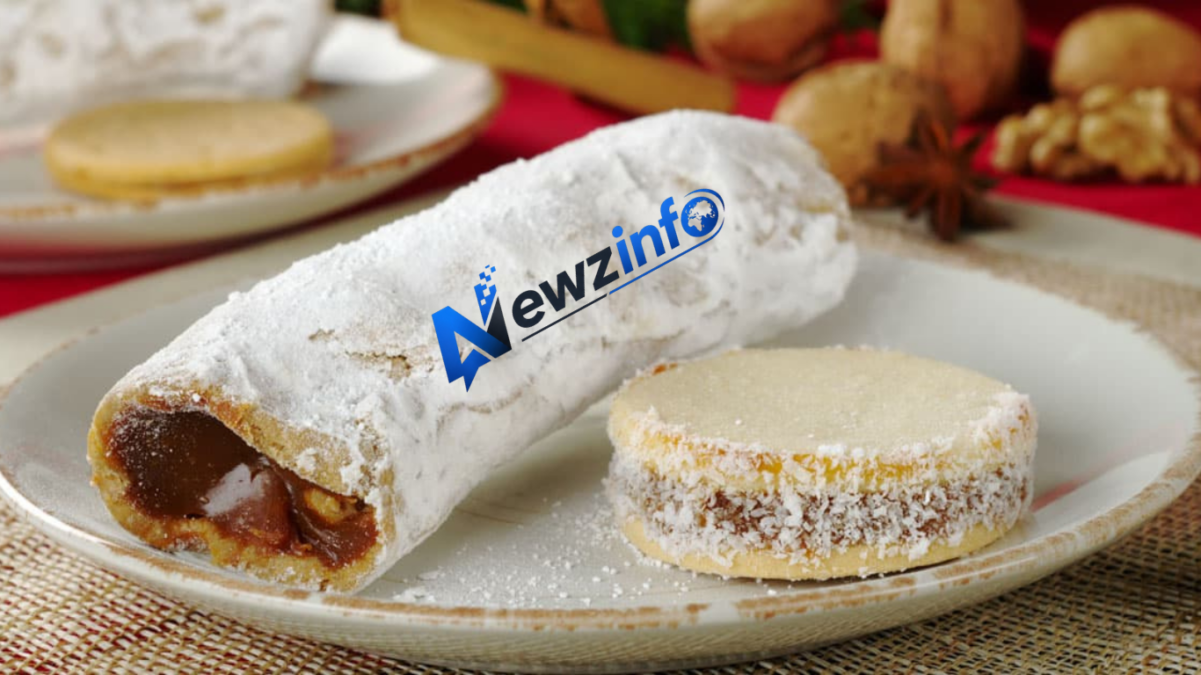
Classic King Kong dulce typically features multiple layers of cookies bound with manjar blanco, dulce de piña (pineapple jam), and sometimes dulce de maní (peanut paste). Some versions include up to seven layers, creating a visually impressive “tower.”
Modern producers have introduced exciting twists while respecting tradition. Flavours now encompass lúcuma, passion fruit, strawberry, chirimoya, and even combinations with quinoa or carob. These innovations keep the dessert relevant without straying too far from its roots.
When searching for the “best King Kong dulce near me,” consider what you prefer: the traditional triple-threat of manjar, pineapple, and peanut for balanced sweetness and tang, or fruit-forward options for something lighter.
Personal and Community Stories
While not a celebrity in the traditional sense, the King Kong dulce embodies community resilience. Victoria Mejía de García’s initiative to create nourishing, shareable sweets during challenging times reflects the resourcefulness of northern Peruvian women.
Families across generations have passed down recipes and production techniques. Many small workshops in Lambayeque still operate with a blend of handmade care and modern equipment, preserving jobs and traditions in the region.
Where to Find the Best King Kong Dulce Near Me
For those hunting locally or while travelling, Lambayeque and Chiclayo remain prime destinations. San Roque maintains flagship stores and factory visits, offering a behind-the-scenes look at production.
In Lima and other Peruvian cities, supermarkets and specialty shops stock popular brands. Internationally, Peruvian grocery stores, online retailers like Amazon, and specialist importers carry vacuum-packed versions that travel well.
Tips for the best experience:
- Look for firms that use quality ingredients without excessive preservatives.
- Check for fresh, moist textures—biscuits should be tender yet structured.
- Try smaller individual portions before committing to a full kilo.
- Pair with strong coffee or tea to cut through the sweetness.
If you’re outside Peru, searching “Peruvian grocery near me” or “King Kong dulce online” will yield reliable sources. Authenticity varies, so reading reviews helps identify those closest to the Lambayeque standard.
Quick Facts
| Detail | Information |
| Full Name | King Kong de manjar blanco (or variations) |
| Date of Creation | Around 1920 |
| Place of Origin | Lambayeque, Peru |
| Key Ingredients | Biscuit layers, manjar blanco, pineapple jam, peanut paste |
| Primary Producers | San Roque and regional artisans |
| Cultural Status | Heritage sweet of Lambayeque |
| Typical Weight | 230g to 2kg |
Legacy and Lasting Impact
The King Kong dulce’s enduring appeal lies in its ability to connect people. It represents northern Peruvian identity—bold, generous, and rooted in community. Its influence extends to inspiring similar oversized treats and contributing to Peru’s global gastronomic reputation.
In an era of mass-produced snacks, King Kong stands out for its craftsmanship and story. It reminds us that simple ingredients, when handled with care and creativity, can create something extraordinary. The dessert continues to evolve while honouring its past, ensuring new generations discover its charms.
Conclusion
From its origins in a Lambayeque kitchen to its status as a searchable favourite worldwide, the King Kong dulce exemplifies how food weaves together history, culture, and pleasure. Whether you track down the best King Kong dulce near me on a trip to Peru or recreate elements at home, it offers a delicious window into a rich culinary tradition.