Food
Banana Split Cake with Pudding: A Nostalgic Twist on a Classic American Dessert

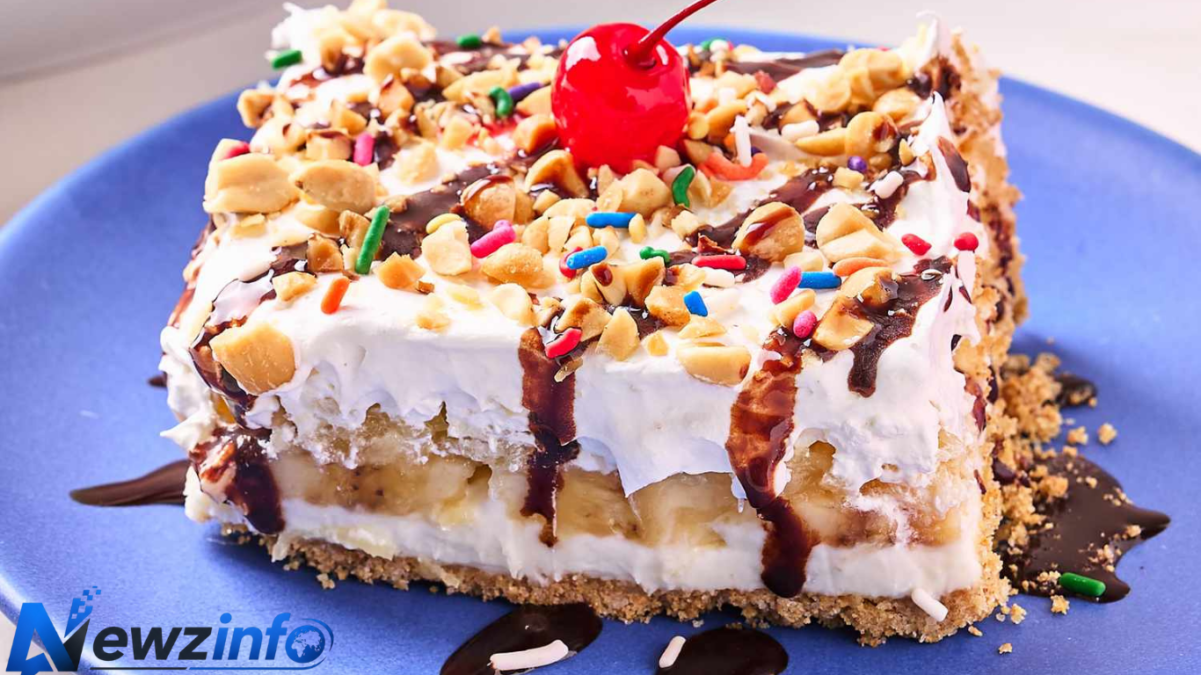
The banana split cake with pudding captures the fun, indulgent spirit of the iconic ice cream sundae in a convenient, shareable form. This layered dessert combines moist cake, creamy banana or cheesecake pudding, fresh fruit, and classic toppings like whipped cream, cherries, chocolate, and nuts. It delivers all the flavours of a traditional banana split without the need for scooping ice cream.
Perfect for potlucks, summer gatherings, or family celebrations, this treat appeals to both nostalgia seekers and busy home bakers. Its no-bake or easy-bake variations make it accessible, while the pudding layer adds a smooth, stable creaminess that holds up well in the fridge. Whether served chilled or freshly assembled, banana split cake with pudding remains a crowd-pleaser that evokes simpler times at the soda fountain.


The Origins of Banana Split Cake with Pudding
The story of banana split cake with pudding begins with the banana split itself, invented in 1904 by David “Doc” Strickler, a young apprentice pharmacist in Latrobe, Pennsylvania. Working at a soda fountain, Strickler sliced a banana lengthwise and added three scoops of ice cream (vanilla, chocolate, and strawberry), along with syrups, whipped cream, nuts, and a cherry. The creation quickly gained popularity among local students and spread across America.
As the banana split became a symbol of American indulgence, home cooks adapted it into cakes and layered desserts. Banana split cake with pudding emerged as a practical evolution, often using cake mixes, instant puddings, and whipped toppings for ease. These versions gained traction in the mid-to-late 20th century, appearing in community cookbooks and family recipe boxes as a way to recreate soda-fountain magic at home without specialised equipment.
Early Inspirations and Simple Beginnings
Bananas became widely available in the United States in the late 1800s, sparking creativity in soda fountains and kitchens. Early banana desserts were simple, relying on fresh fruit and basic creams. The addition of pudding—initially homemade custards and later instant mixes—provided structure and flavour that elevated these treats.
Pudding-based banana split cakes likely drew from Southern banana pudding traditions and no-bake icebox cakes popular in the 20th century. Graham cracker crusts or sheet cakes formed the base, while instant banana cream or cheesecake pudding offered convenience and consistent results. These early recipes emphasised accessibility, using pantry staples to feed crowds at church suppers or backyard barbecues.
Rise in Popularity and Creative Variations
Banana split cake with pudding truly took off as home baking embraced convenience foods like cake mixes and Cool Whip in the post-war era. Recipes proliferated in magazines and online forums, with variations including poke cakes (where pudding soaks into a baked base), dump cakes, and fully no-bake icebox styles layered with graham crackers.
Key milestones include its adoption for large gatherings. The dessert’s make-ahead nature and ability to serve 12–24 people made it ideal for parties. Home bakers experimented with additions like strawberries, pineapple, or chocolate chips, while keeping the core elements: banana flavour from pudding or fresh slices, tropical fruit, and sundae-style toppings.
Its reputation grew through word-of-mouth and sharing on platforms like Pinterest. Today, it symbolises retro comfort food with modern twists, such as using fresh whipped cream or homemade pudding for elevated versions.
Challenges in Perfecting the Recipe
Creating the ideal banana split cake with pudding comes with hurdles. Bananas can brown quickly, so many recipes recommend slicing them just before assembly or treating with citrus. Pudding layers must set properly to avoid a soggy cake, and balancing sweetness is key—too much can overwhelm the fresh fruit.
No-bake versions require adequate chilling time (often overnight) for clean slicing, while baked styles need complete cooling before layering. Draining pineapple thoroughly prevents excess moisture. These practical considerations have led to refined techniques shared in test kitchens, ensuring reliable results even for novice bakers.
The dessert’s resilience shines through: it forgives minor imperfections and scales easily, embodying resourceful home cooking.
Personal Touches and Family Traditions
Many families have their own take on banana split cake with pudding, passed down through generations. Some incorporate family-favourite cake flavours or add personal toppings like caramel sauce or sprinkles. Public sharing on recipe sites highlights its role in celebrations, from birthdays to holidays, where it brings people together over shared nostalgia.
Home cooks often note its kid-friendly appeal and adaptability for dietary tweaks, such as using sugar-free pudding or gluten-free alternatives where possible.
Modern Takes and Contemporary Appeal
Today, banana split cake with pudding appears in both traditional and innovative forms. Bakers experiment with banana pudding-infused cakes or individual servings in jars for portability. It features at summer picnics, potlucks, and even as a lighter option compared to full ice cream sundaes.
Charity bake sales and community events frequently feature it, while food bloggers highlight quick prep times. Its visual appeal—with vibrant cherries, chocolate drizzles, and nuts—makes it Instagram-worthy while staying true to its roots.
Quick Facts
| Detail | Information |
| Full Name | Banana Split Cake with Pudding |
| “Birth” Year | Early 1900s (inspired by 1904 banana split) |
| Place of Origin | United States (Pennsylvania roots) |
| “Nationality” | American |
| “Profession” | Crowd-pleasing layered dessert |
| Years Active | 20th century to present |
| Known For | Nostalgic banana split flavours in cake form |
| Estimated “Net Worth” | High popularity for ease and shareability |
Lasting Impact and Enduring Charm
Banana split cake with pudding endures because it transforms a classic treat into something practical and delicious. It influences modern layered desserts and reminds us of the joy in simple, shared indulgences. Its adaptability keeps it relevant, while the core flavours honour the original banana split’s playful spirit.
Conclusion
The dessert teaches lessons in creativity and resourcefulness—turning pantry items into something special that delights across generations.
In the end, banana split cake with pudding offers more than sweetness; it delivers connection and nostalgia in every slice. Its straightforward preparation and impressive presentation ensure it will remain a favourite for years to come.